Nothing spoils the look of a healthy Florida lawn faster than dead grass patches. You can mow, edge, and water all you want– but those stubborn brown spots still stick out like a sore thumb.
Cape Coral homeowners know the struggle all too well, especially with our hot sun, sandy soil, and unpredictable rainfall.
Here’s the good news: repairing those patches isn’t as complicated as it seems. With the right approach, you can bring your yard back to life and prevent those bare spots from forming again.
In this guide, we’ll walk you through everything you need to know about grass patch repair– from identifying the cause to choosing the right repair method and knowing when it’s time to call in a local professional. By the end, you’ll feel confident tackling those patches once and for all.
Identifying the Problem: What Causes Grass Patches?
Before you repair anything, you need to know what caused the damage. In Cape Coral, there are a few common culprits behind patchy lawns.
Drought is one of the biggest issues. Our warm, dry winters can stress lawns, especially if irrigation isn’t consistent. Heavy foot traffic can also compact the soil, weakening the roots and leaving behind worn-out patches.
Drought is one of the biggest issues. Our warm, dry winters can stress lawns, especially if irrigation isn’t consistent. Heavy foot traffic can also compact the soil, weakening the roots and leaving behind worn-out patches. And because Cape Coral’s sandy soil drains so quickly– especially in neighborhoods near the canals– those stressed spots can dry out even faster and turn into dead patches before you realize it.
Environmental stress plays a role, too. Extreme temperatures, poor drainage, and salty coastal breezes can all contribute to weakened grass.
You may also notice thinning grass in certain areas. This often shows up before a full dead patch forms, so it’s important to identify those thinning sections early. When grass becomes thin or sparse, it’s usually a sign of poor soil health, lack of nutrients, or a fungal issue.
So how can you spot thinning grass? Here’s what it often looks like: lighter green patches, shorter or uneven blades, or spots where the soil starts to show through.
If you’re wondering how to repair dead grass patches, the first step is always the same: find the cause. Otherwise, even the best repair method won’t last.
Sometimes it can be hard to tell which of these common causes is the culprit. If you want one of our experts to come out and take a look, give us a call.
Finding a Solution: The Best Ways to Fix Your Lawn Damage

Once you identify the issue, it’s time to explore the most effective repair methods for your lawn. Cape Coral homeowners typically benefit from one of three approaches: reseeding, plugging, or sod replacement.
And here’s a helpful tip for all you Cape Coral residents: your repair method shouldn’t just depend on patch size– it should also take into consideration your soil type and the season. Our sandy, quick-draining soil can make reseeding tricky during hotter months because the ground dries out faster than the seed can establish. In those cases, plugging or laying small pieces of sod often works better since they can handle heat and inconsistent moisture more easily.
Likewise, our seasonal weather shifts matter. During the cooler fall and early spring months, reseeding tends to perform well because the temperatures are milder and moisture sticks around longer. But in the peak of summer, when the sun is strongest and afternoon storms come and go quickly, sod tends to hold up far better than seed. Choosing the right method based on both the time of year and Cape Coral’s soil conditions can save you time– and help your lawn fill in much more reliably.
Reseeding: This is the simplest option and works best for smaller patches. It’s cost-effective and easy to DIY. Just keep in mind that grass seed takes time and requires consistent watering during establishment.
Plugging: This involves planting small plugs of healthy grass directly into the damaged area. This is ideal for medium-sized patches and offers quicker results than seed alone.
Sod replacement: This is the best choice when the damage is extensive. Sod gives you an instant patch of green and blends into your existing lawn once established.
Regardless of the method you choose, proper technique matters. Loosening the soil, removing dead grass, and leveling the area are crucial steps in effective lawn patch repair.
And remember, in Cape Coral’s climate, warm-season grasses tend to perform best. St. Augustine is one of the most popular choices because it handles heat and sandy soil well, especially in coastal neighborhoods. Zoysia is another strong option– it’s durable, fills in thick, and stays greener for longer during our warm seasons.
If you’re trying to find the best way to fix lawn damage, the rule of thumb is simple: small patch? Seed it. Medium patch? Plug it. Large patch? Sod it.
How to Revive Dead Grass: A Step-by-Step Guide
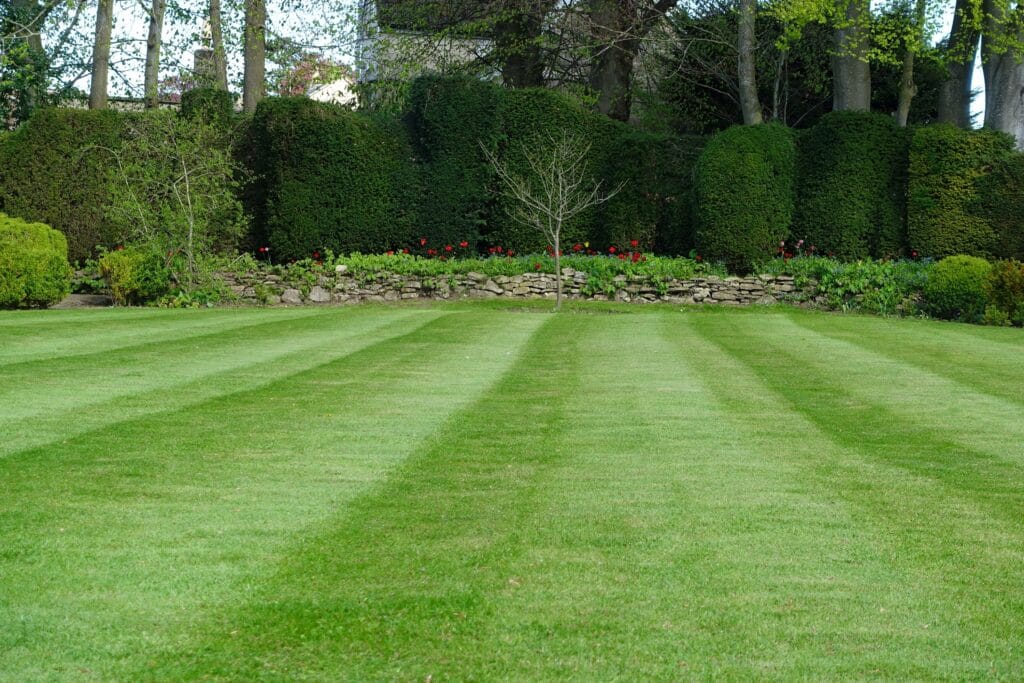
Ready to repair those patches? Here’s a breakdown of the process from start to finish.
Step 1: Inspect and Prepare the Area
Start by thoroughly examining the damaged spot. Look for issues like poor drainage, insect activity, or fungal disease. Cape Coral lawns often suffer from chinch bugs and large patch disease, so it’s important to rule those out.
Remove dead grass and loosen the top layer of soil. This helps new roots grow deeper and stronger.
Step 2: Choose the Right Grass
Not all grass types thrive in Cape Coral’s climate. Warm-season grasses like St. Augustine, Bahia, and Zoysia do best here– but each one has its own sunlight and soil needs.
Selecting the right seed for your lawn is essential for successful repair. Cape Coral’s sandy, fast-draining soil and year-round sun should guide your choice.
Step 3: Reseeding or Sodding the Patch
If you’re reseeding, spread the seed evenly across the prepared area and lightly rake it in. Keep the soil consistently moist until the new grass takes root.
If you choose sod, cut a piece that fits your patch and press it firmly into the soil. Water thoroughly and avoid walking on the area for a few weeks.
Both methods have their pros and cons. Reseeding is inexpensive but slower. Sod is fast but costs more. Choose whichever makes the most sense for your lawn’s condition.
Step 4: Water and Fertilize Properly
Consistent watering is essential for new grass growth. Light, frequent watering works best for newly repaired patches.
A balanced fertilizer helps strengthen the root system and improves overall recovery. If you aren’t sure which fertilizer is best for your lawn, check out our guide: Need help choosing the right fertilizer for your lawn? See our lawn fertilizer recommendations for Cape Coral homeowners.
Repairing patches isn’t hard– but following the right steps makes all the difference when you’re learning how to revive dead grass.
Additional Tips for Maintaining a Healthy Lawn
Once your patches are repaired, regular maintenance keeps your yard looking great.
Seasonal mowing, occasional aeration, and consistent edging all help promote healthy, dense growth. If your yard has sections of thinning grass, improving airflow and reducing shade can make a big difference.
Proper irrigation is also important. Water deeply but not too frequently. Cape Coral’s irrigation schedule changes seasonally, so be sure to adjust your timers.
The best way to fix lawn problems long-term is by keeping up with small maintenance tasks and catching issues early.
How to Prevent Future Grass Patch Problems
Nobody wants to fix the same patch twice. Prevention is key, especially in Southwest Florida’s challenging climate.
Keep an eye out for common lawn diseases like brown patch and large patch– both thrive in warm, humid environments. If you suspect a fungal issue, early treatment is essential.
Good drainage is also critical. If parts of your lawn hold water longer than others, you may need to adjust grading or improve the soil structure.
Routine lawn care goes a long way. Regular fertilization, mowing, edging, and aeration help prevent most of the problems that cause patches in the first place. These practices also improve soil health and reduce your chances of dealing with more dead grass patches later.
When to Call a Professional Lawn Care Service
Sometimes, the problem is bigger than a simple patch repair. If the damage spreads quickly, the soil feels compacted, or you see signs of pests, it’s probably time to bring in a local professional.
A lawn care expert can assess the soil, identify underlying issues, and recommend the most effective repair method for your situation. For many Cape Coral homeowners, consistent maintenance prevents costly repairs down the road.
If you’ve been dealing with recurring bare spots, working with a Cape Coral lawn care team may save you time– and give you a healthier, greener lawn. We’d love to help in any way we can.
Don’t Live With Brown, Dead Grass
Repairing dead grass patches doesn’t have to be overwhelming. Once you understand why they form and how to fix them, you can revive your lawn and keep it strong throughout the year.
Whether you’re reseeding, plugging, or laying fresh sod, the right approach depends on the size of the patch and the condition of your grass. Combine that with regular maintenance, and your Cape Coral lawn will stay healthy, green, and resistant to future damage.
Not sure if you can repair those patches on your own? Don’t worry– contact us today for expert advice and assistance. Our Cape Coral lawn care team is here to help you restore your lawn and keep it looking its best.
FAQs About Grass Patch Repair
Q: What is the best way to fix a lawn that has dead patches?
A: The best method depends on the size of the patch. Smaller patches typically respond best to reseeding, while larger ones may need plugs or sod.
Q: How long does it take to repair dead grass patches?
A: It usually takes anywhere from two to three weeks for early results, but full restoration may take a few months depending on the severity and care routine.
Q: Can I repair dead grass patches in the summer?
A: Yes. Just be sure to water more frequently during hotter months to prevent the newly repaired area from drying out. For bigger patches, consider working in spring or fall when temperatures are milder.