
Think watering your Cape Coral lawn every day keeps it greener? Or that any grass will thrive in Florida’s heat? Here’s the truth: many common lawn care tips actually do more harm than good when applied to Florida’s unique climate.
Between intense sun, sandy soil, heavy rain, and high humidity, Florida lawns behave very differently from lawns in cooler states. Advice that works in the Midwest or Northeast often leads to stressed grass, shallow roots, and ongoing maintenance problems here in Southwest Florida.
In this guide, we’ll break down some of the most common lawn care myths and replace them with practical Florida lawn care tips that truly work for Cape Coral homeowners. By understanding how Florida’s climate affects your yard, you’ll be able to care for your lawn more confidently– and avoid costly mistakes along the way.
Myth #1: Watering Your Lawn Everyday Keeps It Healthy
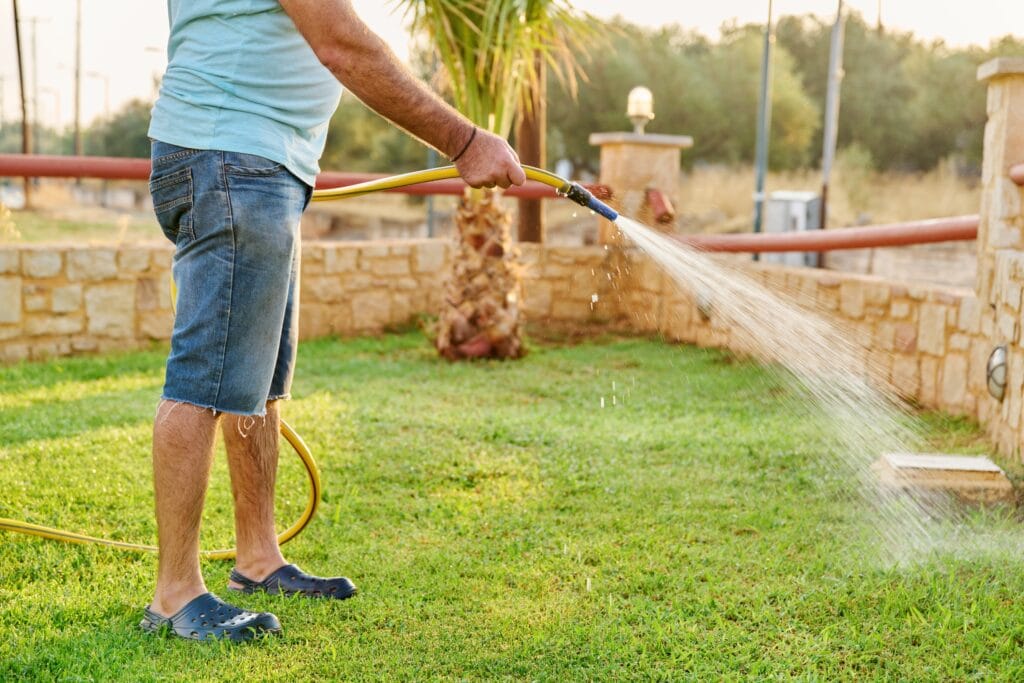
One of the biggest misconceptions homeowners have about lawn care in Florida is that watering daily keeps grass greener and healthier. In reality, watering too frequently can actually weaken your lawn.
When grass receives small amounts of water every day, the roots stay near the surface. Shallow roots make your lawn more vulnerable to drought, heat stress, and disease. Overwatering can also create soggy soil conditions that promote fungal growth.
Although Florida’s sandy soil drains quickly, that doesn’t mean grass doesn’t needs constant watering. The goal is to water deeply enough to reach the roots system rather than lightly soaking the surface.
Healthy lawns thrive on balance. When you water thoroughly but less often, the roots grow deeper into the soil where they can access moisture more consistently. That deeper root system makes your lawn more resilient during dry spells.
Learning to follow a proper Florida lawn watering schedule helps homeowners avoid common mistakes while supporting healthier turf growth.
Tip #1: Water Your Lawn Deeply, Not Daily
Instead of watering every day, most Florida lawns need about 1 to 1.5 inches of water per week, including rainfall. This amount provides enough moisture for healthy root development without drowning the grass.
A few simple watering habits can make a big difference:
- Water early in the morning so moisture can soak into the soil before the day’s heat causes evaporation.
- Watch for signs of overwatering like yellow grass, fungus patches, or soggy soil.
- Adjust irrigation based on rainfall instead of sticking to a fixed routine.
- Use an irrigation system or timer to distribute water evenly.
UF/IFAS researchers emphasize that proper irrigation practices are essential for healthy turfgrass growth. Their guidance on Florida turf management explains how deep watering supports stronger roots and more resilient lawns (Florida turf irrigation basics).
Following a smart lawn watering schedule Florida homeowners can rely on is one of the most important foundations of successful Florida lawn maintenance.
Myth #2: All Grass Types Grow the Same in Florida
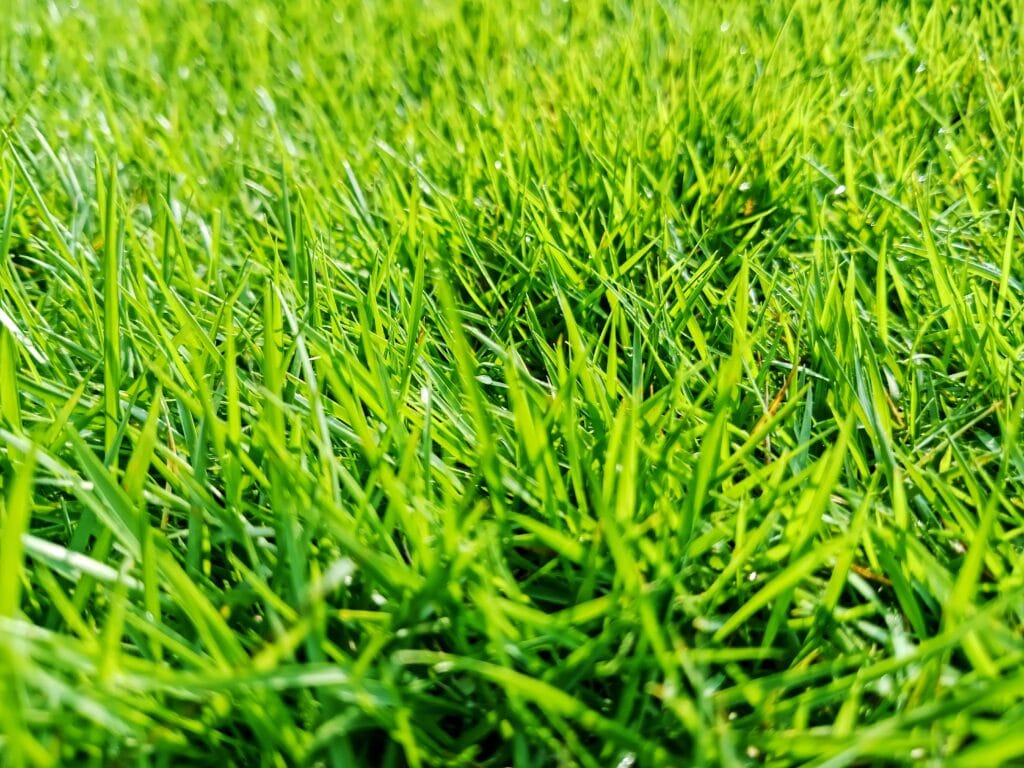
Another myth many homeowners believe is that all grass types grow the same in Florida’s climate. The reality is that different grasses perform very differently depending on sunlight, soil, and moisture conditions.
Some grasses thrive in Florida’s humidity, while others struggle under intense sun or drought. Choosing the wrong grass for your yard often leads to patchy growth, higher maintenance, and more weeds.
Common Florida grass types include:
- St. Augustine grass – A popular choice in coastal areas because it tolerates humidity well and produces a thick green lawn.
- Bahia grass – Extremely drought tolerant and well suited to sandy soils.
- Zoysia grass – Dense and durable, making it great for high-traffic yards.
Understanding your lawn’s conditions– such as shade levels, soil drainage, and irrigation– helps determine the best grass for Florida lawns for your yard.
Tip #2: Choose the Best Grass for Your Florida Lawn
Matching the right grass to your yard’s conditions is one of the easiest ways to reduce long-term maintenance.
For example:
- St. Augustine thrives in humid coastal climates and provides lush coverage when properly maintained.
- Bahia grass is ideal for homeowners who want a drought-tolerant lawn that requires less watering.
- Zoysia grass creates a dense, durable lawn that resists weeds and handles foot traffic well.
Choosing the right grass reduces fertilization needs, improves resistance to stress, and keeps your lawn healthier overall.
If you’re unsure which grass type is best for your property, exploring professional guidance can help. Learn more about year-round care options by visiting our lawn maintenance services page.
UF/IFAS research also highlights how selecting appropriate turfgrass varieties improves lawn success across Florida environments (Florida turfgrass selection guide).
Myth #3: Palm Trees Take Care of Themselves
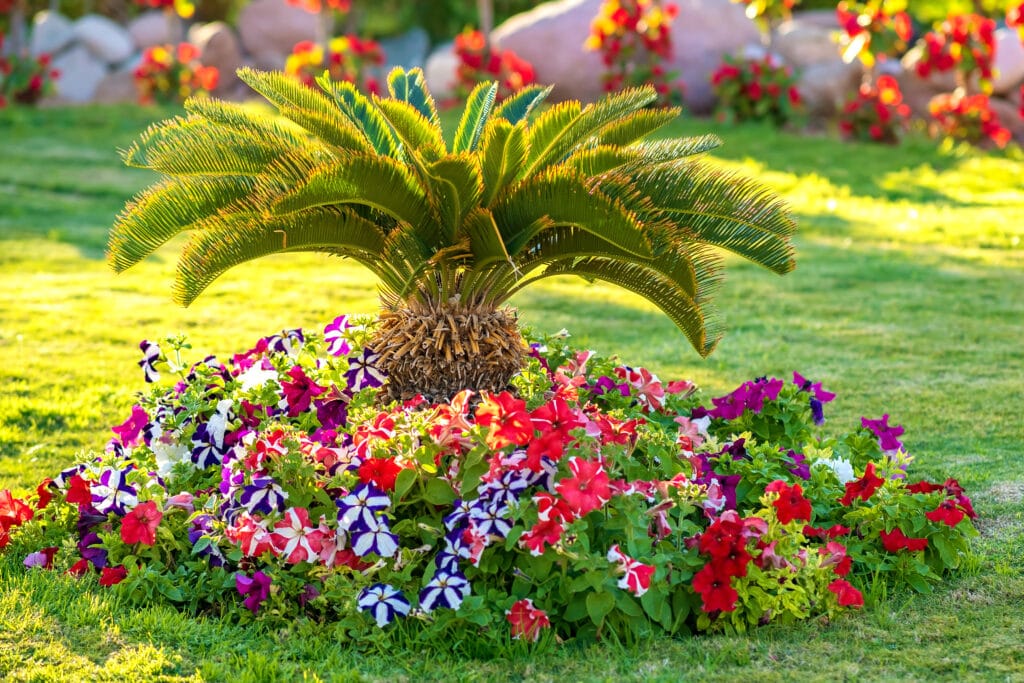
Palm trees are iconic in Florida landscapes, and because they grow naturally here, many homeowners assume they require little or no care.
While palms are hardy, they still need proper maintenance to stay healthy. Incorrect pruning, poor nutrition, or neglect can lead to weak trees that are more vulnerable to pests and disease.
Healthy palm trees in Florida require:
- Proper trimming techniques
- Regular nutrient support
- Monitoring for stress or disease
Improper pruning– especially removing too many fronds– can weaken the palm tree and interfere with healthy growth.
Tip #3: Maintain Your Palm Trees the Right Way
Palm trees benefit from simple but consistent care practices.
First, avoid the “hurricane cut,” where most fronds are removed at once, as this weakens the tree and makes it more vulnerable to storm damage.
Second, use fertilizer specifically designed for palms. These blends contain nutrients palms need to stay strong and vibrant.
Finally, pay attention to warning signs. Yellowing fronds often signal nutrient deficiencies or stress, indicating that fertilization or care routines need adjustment.
UF/IFAS explains that proper fertilization and pruning techniques are essential for long-term palm health in Florida landscapes (Palm nutrient management guide).
Myth #4: If It’s Green, It’s Healthy
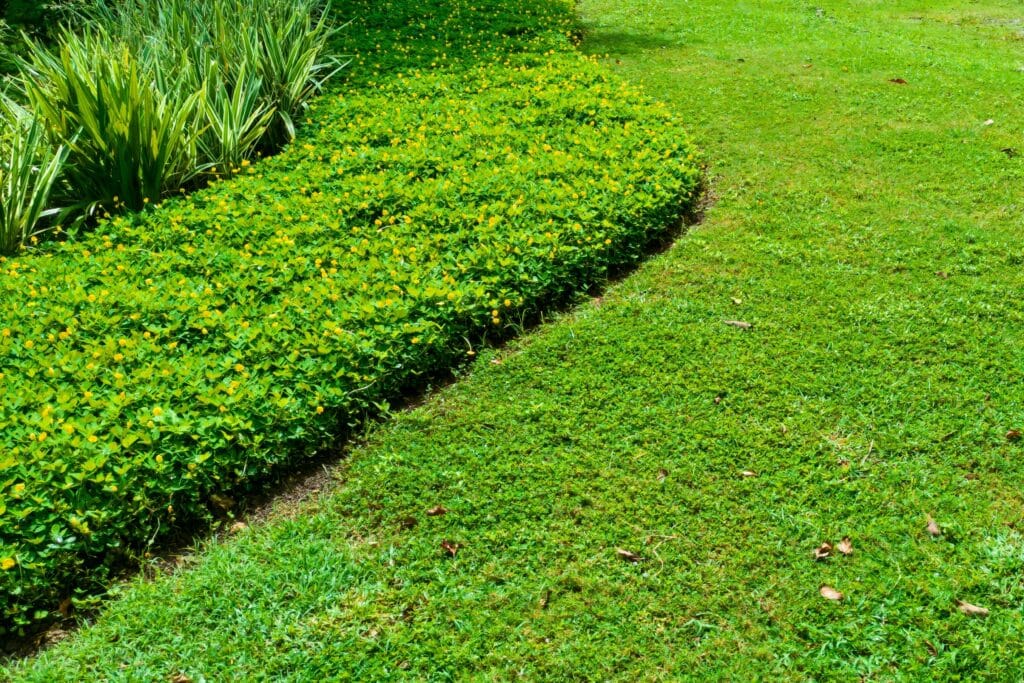
A lawn may look green from a distance, but that doesn’t always mean it’s thriving.
Some weeds blend in with turfgrass, especially early in their growth stages. Plants like dollarweed or clover can spread quickly without immediately changing the lawn’s color.
In other cases, problems occur below the surface. Fungal diseases such as brown patch can damage roots long before visible symptoms appear.
Healthy lawns depend on strong root systems and dense turf– not just color. When grass grows thickly, it naturally resists weeds, tolerates foot traffic, and handles heat stress better.
Tip #4: Strengthen Your Lawn from the Roots Up
Strong lawns start with strong roots.
Homeowners can support root health through a few key practices:
- Aerate compacted soil to improve airflow and nutrient absorption.
- Maintain correct mowing height to encourage dense growth.
- Apply fertilizer according to seasonal growth cycles.
- Ensure proper drainage to prevent fungal issues.
Preventative lawn care is always easier than reactive repair. The University of Florida notes that healthy turf density and proper maintenance help reduce weed pressure and disease outbreaks in Florida lawns (Florida lawn weed management guide).
These small steps help build a resilient lawn that stays healthy throughout Florida’s long growing season.
Ready to Stop Guessing and Start Growing a Better Lawn?
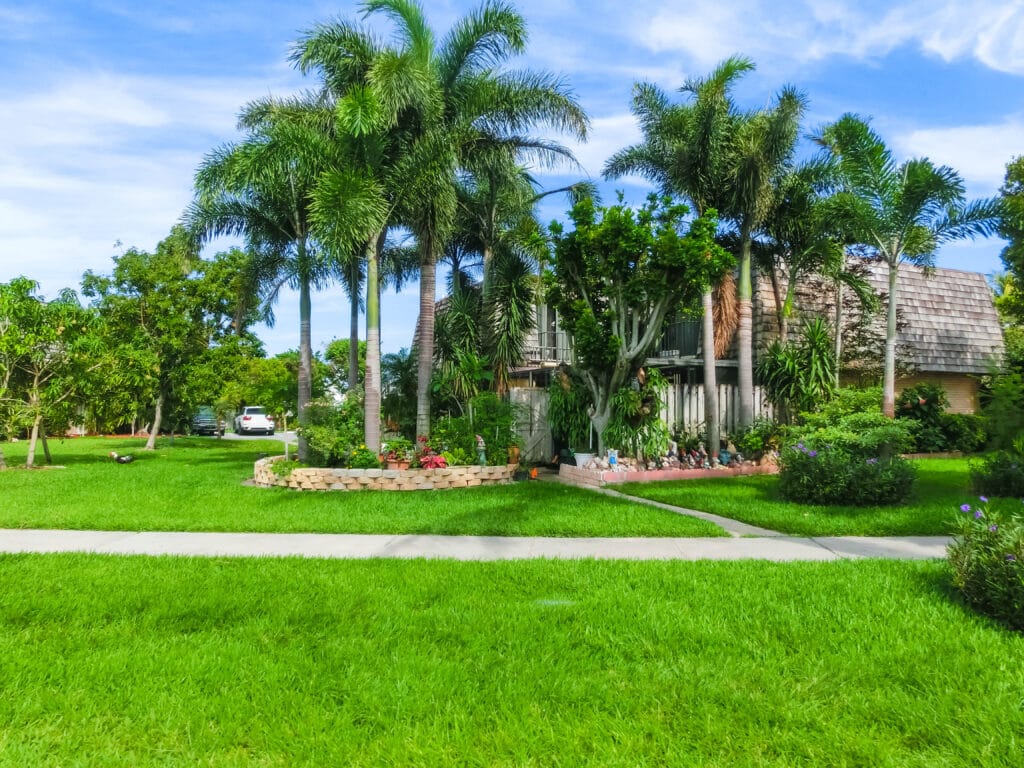
Florida lawns require a different approach than lawns in cooler climates. Proper watering, choosing the right grass type, maintaining palm trees correctly, and focusing on root health are all key to long-term success.
By understanding these common myths and applying proven Florida lawn care tips, Cape Coral homeowners can create healthier, more resilient lawns without unnecessary stress.
Your lawn deserves more than guesswork. Contact our team at Cape Coral Lawn Care today to schedule your service here and receive a customized lawn maintenance plan designed to keep your yard healthy year-round.
FAQs
Q: How often should you water your lawn in Florida?
A: Most Florida lawns need about 1 to 1.5 inches of water per week, including rainfall. Instead of watering daily, it’s best to water deeply two to three times per week.
Q: What is the best grass for a Florida lawn?
A: St. Augustine, Bahia, and Zoysia are among the best options depending on sunlight, soil type, and watering conditions.
Q: Do palm trees in Florida need regular maintenance?
A: Yes. Proper pruning and fertilization help keep palm trees healthy, structurally strong, and resistant to disease.
Q: Why does my lawn look green but still struggle?
A: A green color doesn’t always mean the lawn is healthy. Shallow roots, compacted soil, weeds, or fungus may be affecting the lawn beneath the surface.