Does your Florida lawn ever feel out of control, no matter how hard you try?
You mow regularly, trim when you can, and try to keep things neat– but somehow the edges blur, grass creeps into garden beds, and everything starts to look messy again after just a few weeks. In Cape Coral’s fast-growing climate, that’s a common frustration.
The good news is that you don’t need a complete landscape overhaul to fix it. Two simple upgrades– lawn edging and mulching– can completely change the look of your yard. Even better, they make ongoing maintenance easier, not harder. In this guide, you’ll learn how these small improvements can create a cleaner, more polished lawn that actually stays that way.
What Is Lawn Edging and Why It Matters
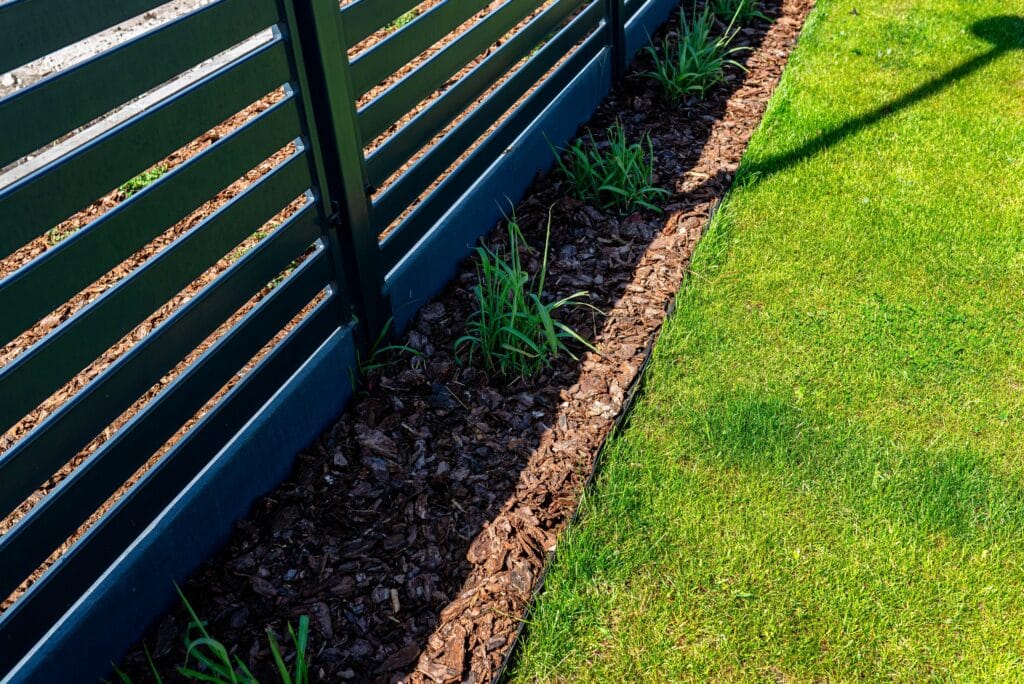
Lawn edging is one of those details that’s easy to overlook—but once you notice it, you can’t unsee it. It’s the clean line that separates your grass from flower beds, walkways, driveways, and other landscaped areas.
In a place like Cape Coral, where grass grows quickly and spreads aggressively, edging plays an important role in keeping your yard under control. Without it, grass naturally creeps into mulch beds, sidewalks, and borders, creating a messy, uneven appearance.
A well-defined edge does more than just look good. It helps:
- Keep grass from invading garden beds
- Reduce the amount of trimming needed along borders
- Create a clear visual structure across your yard
- Improve overall curb appeal instantly
Over time, this also means less work. When your lawn is properly edged, mowing becomes more efficient and your yard stays tidy longer between maintenance sessions.
Once you understand why edging matters, the next step is choosing the right type for your lawn.
Types of Lawn Edging for Florida Yards
Not all edging materials perform the same, especially in Florida’s sandy soil and heavy rain conditions. Choosing the right type depends on your budget, style, and how much maintenance you’re willing to handle.
Here are the most common options:
Plastic Edging
Plastic edging is one of the most budget-friendly choices. It’s flexible, easy to install, and works well for curved garden beds. However, it may shift over time in sandy soil or after heavy rain.
Metal Edging
Metal edging offers a clean, professional look and is extremely durable. It holds its shape well and performs better in high-traffic areas or areas prone to erosion. This is a great option for homeowners looking for long-lasting landscaping curb appeal.
Stone or Brick Edging
Stone and brick create a more decorative, permanent border. They blend naturally into landscaping and enhance visual appeal, but they require more effort to install and occasional adjustment.
If you want to explore different materials in more detail, UF/IFAS provides a helpful overview here.
Florida’s climate makes durability especially important. Heavy rain, shifting soil, and heat can affect how well edging holds up, so choosing the right material from the start can save time later.
Mulching Benefits for Florida Landscaping
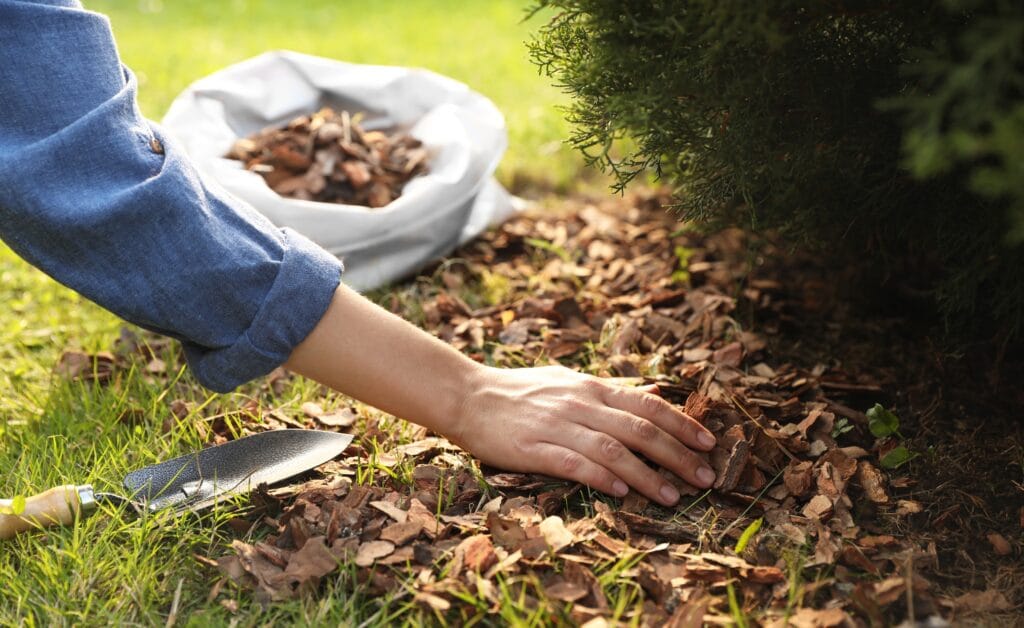
Mulch is one of the simplest ways to improve both the look and function of your landscape.
In Florida, mulch helps protect from extreme heat, conserve moisture, and reduce watering needs. It acts as a barrier between the soil and the sun, helping roots stay cool even during the hottest months.
Some of the biggest mulching benefits include:
- Retaining soil moisture during dry periods
- Reducing weed growth
- Protecting plants from temperature swings
- Improving soil structure over time
- Reducing erosion during heavy rain
Mulch also makes your yard look more finished. Fresh mulch instantly brightens garden beds and creates contrast against your lawn, which boosts overall Florida landscaping appeal.
For more details on how mulch supports plant health, UF/IFAS offers guidance here.
Choosing the Right Mulch for Your Yard
Not all mulch is the same, and choosing the right type can affect both appearance and maintenance.
Organic Mulch
This includes materials like bark, wood chips, and pine straw. Organic mulch breaks down over time, adding nutrients back into the soil. It’s a great option for improving soil health but does require periodic replacement.
Inorganic Mulch
Rock, rubber, and gravel fall into this category. These materials last longer and require less upkeep, but they don’t contribute nutrients to the soil.
The key is matching your mulch to your yard’s needs. For example, organic mulch works well in plant beds where soil improvement is important, while rock mulch may be better for decorative or low-maintenance areas.
When applying mulch, depth matters. A layer of about 2–3 inches is ideal. Too little won’t provide benefits, and too much can trap moisture and lead to plant issues.
If you’d like help deciding what works best for your property, check out our
Mulch and Rock Maintenance Services to see how professional installation can simplify the process.
Combining Lawn Edging and Mulching for Maximum Impact
While lawn edging and mulching are effective on their own, combining them is where the real transformation happens.
Edging creates the structure. Mulch fills in the space.
Together, they:
- Define clean borders between grass and beds
- Prevent grass from spreading into mulched areas
- Reduce trimming and maintenance work
- Create a cohesive, polished look across your yard
This combination is one of the easiest ways to improve curb appeal without taking on a major landscaping project.
In fact, Florida-Friendly Landscaping principles encourage using these kinds of practical design strategies to reduce maintenance while improving appearance. You can learn more here.
Step-by-Step Tips for Perfect Mulch and Edging
If you’re ready to upgrade your yard, here’s a simple way to get started:
Step 1: Mark Your Edges
Outline your garden beds and borders clearly. Choose an edging material that fits your yard and install it securely.
Step 2: Apply Mulch Carefully
Spread mulch evenly around plants, keeping it a few inches away from stems and trunks to prevent rot.
Step 3: Maintain the Look
Refresh mulch once or twice a year, touch up edging, and keep grass trimmed for a consistently maintained yard.
These simple steps can dramatically improve your landscape without adding extra work to your routine.
Final Touches That Keep Your Lawn Looking Polished
Once your edging and mulch are in place, maintaining that clean look becomes much easier.
The key is consistency—not constant effort.
Small habits make the biggest difference:
- Touch up edges occasionally to keep lines sharp
- Replace or refresh mulch seasonally
- Keep grass trimmed to the correct height
- Monitor for weeds or overgrowth early
These simple practices help maintain strong landscaping curb appeal without turning lawn care into a full-time job.
In Cape Coral’s climate, it’s not about doing more work– it’s about doing the right work at the right time.
Ready to Upgrade Your Lawn Without the Hassle?
Lawn edging and mulching are two of the simplest ways to transform your yard. They create structure, reduce maintenance, and instantly improve the way your landscape looks.
With the right setup, your lawn becomes easier to manage, more resistant to weeds, and far more visually appealing.
If you want to boost your curb appeal and enjoy a low-maintenance, polished lawn, the team at Cape Coral Lawn Care can install professional lawn edging and mulch. Contact us today to schedule your service and keep your yard looking its best!
FAQs
Q: What is the best type of lawn edging for Florida lawns?
A: Metal and stone edging provide durability and a professional look, while plastic edging is a more budget-friendly option for DIY projects.
Q: How often should I refresh mulch in Florida?
A: Most homeowners refresh mulch once or twice per year, depending on rainfall and how quickly the material breaks down.
Q: Can lawn edging help with weeds?
A: Yes — it forms a barrier that keeps grass and weeds out of your garden beds.
Q: Is mulching necessary for Florida lawns?
A: Yes. Mulching helps retain moisture, suppress weeds, protect plants from heat, and improve soil conditions.