Keeping your lawn healthy and green doesn’t mean you need to waste water or rely on harsh chemicals. In fact, many Cape Coral homeowners are discovering that small, eco-friendly changes can make a big difference in how their lawns look, feel, and perform year-round.
With Florida’s heat, sandy soil, and fast-growing grass, lawn care can quickly become expensive and time-consuming if it isn’t done thoughtfully. This guide shares practical lawn mowing tips and sustainable care strategies that help you support healthier grass, reduce environmental impact, and even save money over time.
Why Eco-Friendly Lawn Care Matters in Cape Coral
Southwest Florida’s climate is both a blessing and a challenge for lawns. Warm temperatures and seasonal rain encourage rapid growth, but improper mowing can quickly stress grass.
Over-mowing, cutting grass too short, and heavy use of chemicals can weaken root systems, dry out soil, and create brown patches . These practices may also contribute to runoff that affects nearby waterways.
Eco-friendly lawn care focuses on working with Cape Coral’s environment rather than against it. Sustainable practices help grass develop deeper roots, retain moisture more effectively, and reduce the need for excess fertilizers or pesticides. Over time, this leads to a stronger lawn that’s better equipped to handle Florida’s heat and rain.
According to UF/IFAS lawn care best practices, maintaining proper mowing height and limiting chemical inputs are two of the most effective ways to protect both lawn health and local waterways.
How Mowing Impacts Your Lawn’s Health
Mowing might seem like a simple task, but how you mow plays a major role in overall lawn health.
Cutting grass too short can damage roots, leaving your lawn more vulnerable to heat stress, weeds, and disease. Proper mowing height allows grass blades to shade the soil, which helps retain moisture and regulate temperature.
Grass clippings also play a role in eco-friendly care. When left on the lawn, clippings break down naturally and return nutrients to the soil. This supports healthier growth and reduces the need for additional fertilizer.
Good mowing habits are some of the most effective green lawn care tips available– and they don’t require any special products, just a change in technique.
UF/IFAS notes that correct mowing height and frequency are especially important for Florida’s warm-season grasses.
Best Lawn Mowing Tips for a Greener Lawn
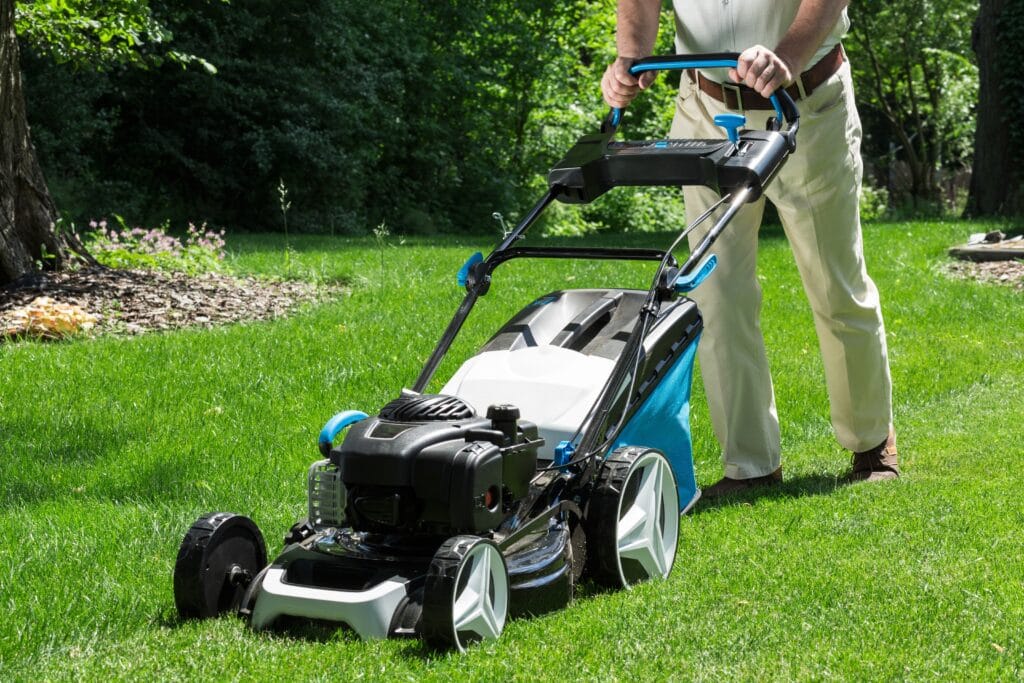
One of the most important steps toward a greener lawn is mowing at the correct height. Florida’s warm-season grasses each have their own needs, and cutting them too low can cause unnecessary stress. Common Cape Coral grasses like St. Augustine and Zoysia perform best when kept slightly taller to protect roots from heat and moisture loss.
A general rule to follow is the “one-third rule”: never remove more than one-third of the grass blade at a time. Cutting too much at once weakens the plant, slows recovery, and can lead to brown patches.
A few additional mowing tips for Cape Coral lawns include:
- Keep mower blades sharp to avoid tearing grass
- Mow more frequently during peak growing season instead of cutting too short
- Adjust mowing height slightly higher during hot summer months
Following these green lawn care tips helps your lawn stay thick, healthy, and better able to resist weeds naturally.
How to Use Smart Lawn Mowing Patterns
Changing your mowing pattern might seem cosmetic, but it has real benefits for lawn health.
Mowing in the same direction every time can compact soil and encourage grass to lean in one direction. Rotating your mowing pattern helps prevent ruts, reduces turf stress, and encourages grass to grow more upright.
Some effective lawn mowing patterns include:
- Straight rows one week, diagonal the next
- Alternating directions across different mowing sessions
- Creating light striping patterns for visual appeal
Varied mowing patterns spread wear evenly across the lawn, which is especially helpful for Florida’s fast-growing grasses. This simple change supports stronger turf and improves overall appearance without added effort.
Feeding Your Lawn Naturally After Mowing
Eco-friendly lawn care doesn’t stop once mowing is done. What you do afterward can make a big difference in long-term soil health.
Grass clippings act as a natural fertilizer when left on the lawn. As they decompose, they release nutrients back into the soil and help retain moisture around the roots.
Compost is another powerful natural option. Adding compost improves soil structure, increases organic matter, and helps sandy Cape Coral soil hold nutrients more effectively. This reduces the need for synthetic fertilizers while supporting healthier root growth.
Organic solutions are also safer for pets, children, and local wildlife. For more eco-friendly techniques, check out our sustainable lawn care guide here.
Using compost for lawn care and choosing organic lawn seed where appropriate helps build a lawn that thrives naturally.
Reducing Weeds Without Harsh Chemicals
One of the best natural weed-control strategies is maintaining a thick, healthy lawn. Dense grass crowds out weeds by limiting space, light, and resources.
Instead of blanket chemical treatments, homeowners can spot-treat problem areas using natural herbicides for lawns. Options like vinegar-based solutions, boiling water for hardscape cracks, or organic weed-control products can be effective when used carefully. These methods are best used for spot treatment or hardscapes, as overuse on turf can damage healthy grass.
Encouraging strong turf growth with proper mowing, watering, and soil care also reduces weed pressure over time. Using organic lawn seed in thin areas helps fill bare spots and strengthens your lawn’s natural defenses.
UF/IFAS research shows that healthy turf density is one of the most effective natural weed-prevention strategies for Florida lawns.
These methods offer a safer alternative to chemical-heavy approaches and align well with environmentally friendly lawn care goals.
Ready to Care for Your Lawn the Eco-Friendly Way?
Eco-friendly lawn mowing isn’t about doing more– it’s about doing things smarter. By adjusting mowing height, rotating patterns, feeding your lawn naturally, and reducing chemical use, Cape Coral homeowners can enjoy healthier grass with less environmental impact.
These sustainable practices not only support greener lawns, but also protect local waterways, reduce long-term costs, and create safer outdoor spaces for families and pets— especially in canal-heavy areas like Cape Coral.
If you’d like help managing your lawn with eco-friendly practices, reach out to our friendly team here at Cape Coral Lawn Care today for expert mowing and sustainable lawn maintenance services designed for Southwest Florida yards just like yours. We’ll talk to you soon!
FAQs
Q: How often should I mow my lawn in Cape Coral?
A: Most lawns should be mowed once per week during peak growing season, adjusting based on rainfall and grass type.
Q: Can I leave grass clippings on the lawn?
A: Yes. Grass clippings act as a natural fertilizer and help retain moisture in the soil.
Q: What’s the best way to reduce weeds naturally?
A: Healthy grass, proper mowing, and targeted organic treatments are the most effective ways to minimize weeds without harsh chemicals.
Q: Should I use compost or organic lawn seed?
A: Both improve soil health, support stronger roots, and encourage more resilient grass growth.