
Is your lawn looking patchy or brown even though you water it regularly? Many Florida homeowners struggle with thinning grass and compacted soil without realizing the problem often starts beneath the surface.
When grass isn’t growing the way it should, it’s easy to focus on what’s happening above ground—watering, mowing, fertilizing, and weed control. But sometimes the real issue lies underneath, where compacted soil prevents grass roots from getting the water, oxygen, and nutrients they need.
That’s why Florida lawn care requires more than simply keeping grass green. Healthy lawns start with healthy soil. In this guide, we’ll explain why a lawn aeration service is one of the most important tools for maintaining strong, resilient grass in Cape Coral’s challenging climate.
What Is Lawn Aeration and Why Does It Matter?
Lawn aeration is the process of removing small plugs of soil from the lawn to reduce compaction and improve airflow beneath the surface.
While it may seem like a simple procedure, aeration can have a major impact on lawn health. When soil becomes compacted, water and nutrients can’t move through it easily. Grass roots become restricted, making lawns more vulnerable to drought, disease, and stress.
Aeration helps by creating small openings in the soil that allow:
- Water can soak deeper into the ground
- Oxygen to reach the root system
- Nutrients and fertilizer to penetrate more effectively
- Roots to expand and grow stronger
This is especially important in Florida, where heat, humidity, heavy rainfall, and frequent mowing can gradually compact the soil.
The Florida-Friendly Landscaping™ program also highlights the importance of healthy soil as a foundation for long-term lawn success in its guide to Florida-Friendly Landscaping principles.
Over time, healthier soil helps support thicker grass, stronger roots, and better overall lawn performance.
Signs Your Florida Lawn Needs Aeration
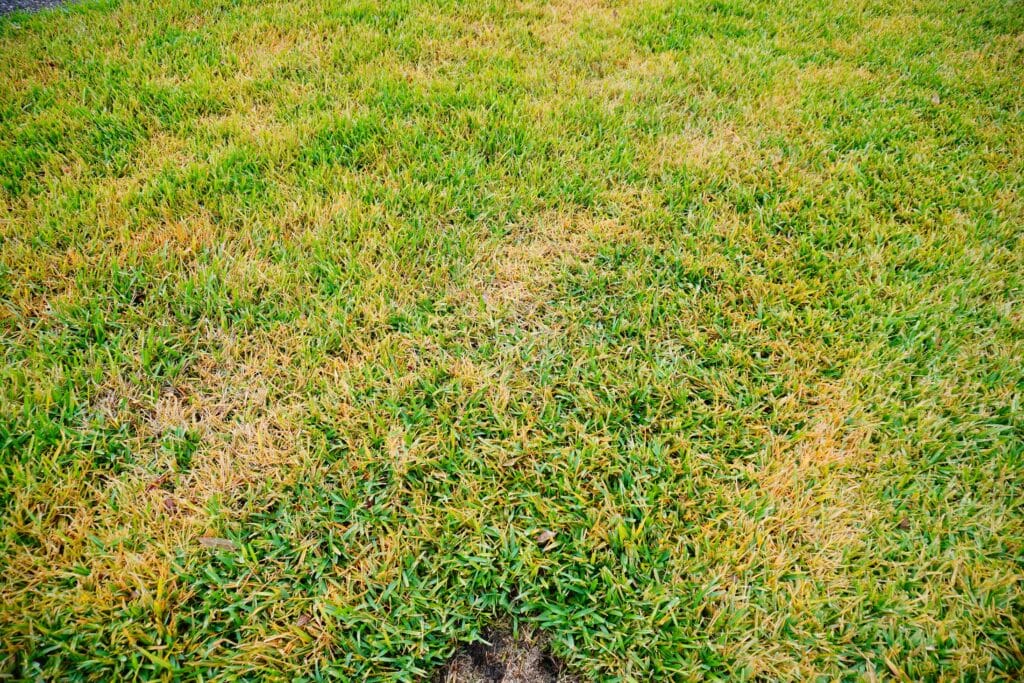
Not every lawn needs immediate aeration, but there are several warning signs that indicate your soil may be too compacted.
One of the easiest signs to spot is standing water. If puddles linger after rainfall, the soil may not be absorbing water effectively.
Other common indicators include:
- Thin or patchy grass
- Brown spots that don’t improve with watering
- Areas where weeds seem to spread easily
- Uneven growth patterns
- Soil that feels hard when you try to dig into it
In many cases, these symptoms are signs that roots aren’t receiving enough oxygen, moisture, or nutrients.
Homeowners looking for how to get greener grass are often surprised to learn that the issue isn’t always fertilizer -– it’s often a soil issue beneath the surface..
Aeration helps address these underlying issues by improving the environment where roots grow.
Benefits of Lawn Aeration for Florida Homeowners
The benefits of aeration go far beyond simply loosening the soil.
One of the biggest advantages is improved nutrient absorption. Fertilizer becomes much more effective when it can reach the root zone instead of sitting on the surface.
Aeration also helps:
- Improve water infiltration
- Reduce runoff after storms
- Encourage deeper root growth
- Improve overall turf density
- Reduce stress caused by heat and drought
For Cape Coral homeowners, these benefits add up over time.
A healthier root system allows grass to recover faster from stress and remain greener throughout the growing season. This is particularly valuable during periods of extreme heat or heavy rainfall when lawns are under constant pressure.
UF/IFAS also notes the importance of proper irrigation and soil management for long-term turf health in its publication on watering your Florida lawn.
When combined with proper watering and mowing habits, aeration becomes one of the most effective lawn care practices available.
How It Supports Long-Term Lawn Health
One of the reasons lawn aeration is so valuable is that its benefits continue long after the service is completed.
Regular aeration creates healthier soil conditions over time, which leads to:
- More consistent growth
- Improved color and density
- Better moisture retention
- Reduced lawn stress
- Stronger resistance to pests and disease
Healthy soil also helps reduce common problems like excessive runoff, uneven growth, and weak areas that repeatedly struggle throughout the year.
Think of aeration as an investment in your lawn’s future. It may not create overnight results, but it establishes the foundation for stronger grass season after season.
Curious about where to start with maintaining a healthier lawn overall? Check out our guide:
Florida Lawn Care Checklist: Essential Steps for Cape Coral Homeowners for a step-by-step approach to year-round lawn maintenance.
Why Florida Lawns Become Compacted in the First Place
Many homeowners wonder how soil becomes compacted to begin with.
In Florida, there are several contributing factors.
Heavy rainfall can gradually compress soil particles, especially in high-traffic areas. Frequent mowing equipment, foot traffic, and even normal lawn use contribute to compaction over time.
Some common causes include:
- Regular lawn traffic from people and pets
- Frequent mowing patterns
- Heavy rainstorms
- Dense clay pockets in sandy soil
- Lack of organic matter in the soil
Compaction is often a gradual process, which is why homeowners may not notice it until lawn performance begins to decline.
The good news is that aeration directly addresses these problems by opening the soil and restoring healthy movement of air and water.
When Should You Aerate Your Florida Lawn?
Timing plays a major role in how successful aeration will be.
For Florida lawns, the best time to schedule a lawn aeration service is during active growth periods, typically in spring or early summer.
Warm-season grasses recover quickly during these months, allowing the lawn to heal and fill in after aeration.
Benefits of aerating during active growth include:
- Faster recovery
- Better root development
- More visible results
- Improved nutrient uptake
Aerating during dormant or slow-growth periods can delay recovery and reduce effectiveness.
In general, if your grass is actively growing, it’s usually a good time to consider aeration.
Professional Lawn Aeration vs. DIY Aeration
Homeowners often wonder whether they should aerate themselves or hire a professional.
The answer depends on the size of the lawn, soil conditions, and the results you’re looking for.
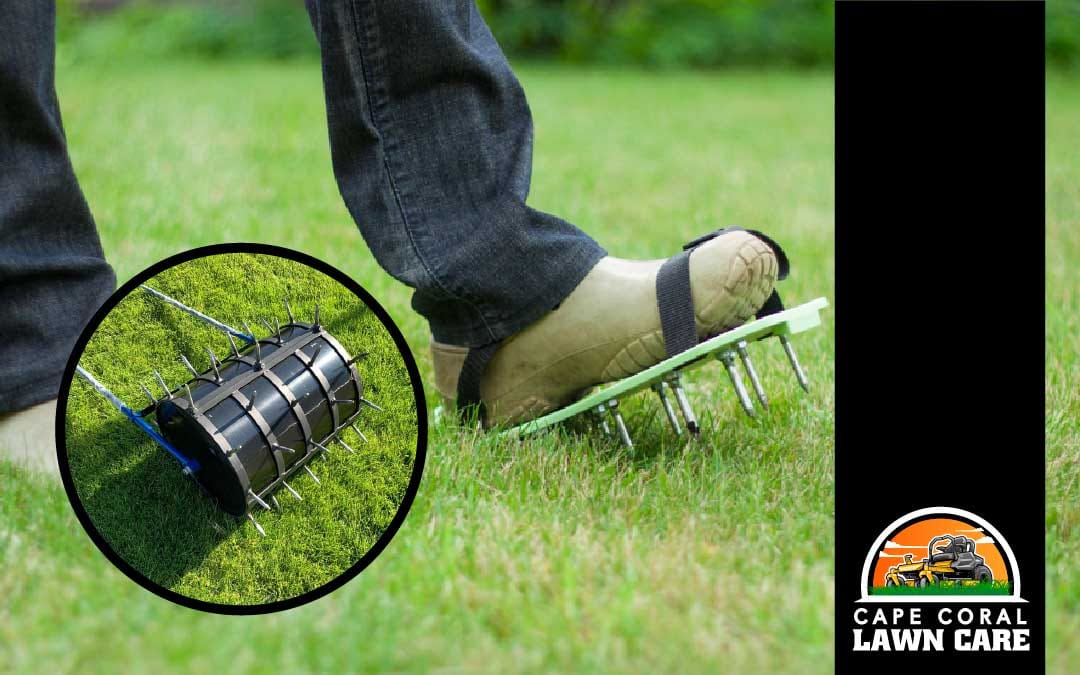
DIY spike tools are inexpensive and widely available, but they often push soil aside rather than removing it. This means they may not relieve compaction effectively.
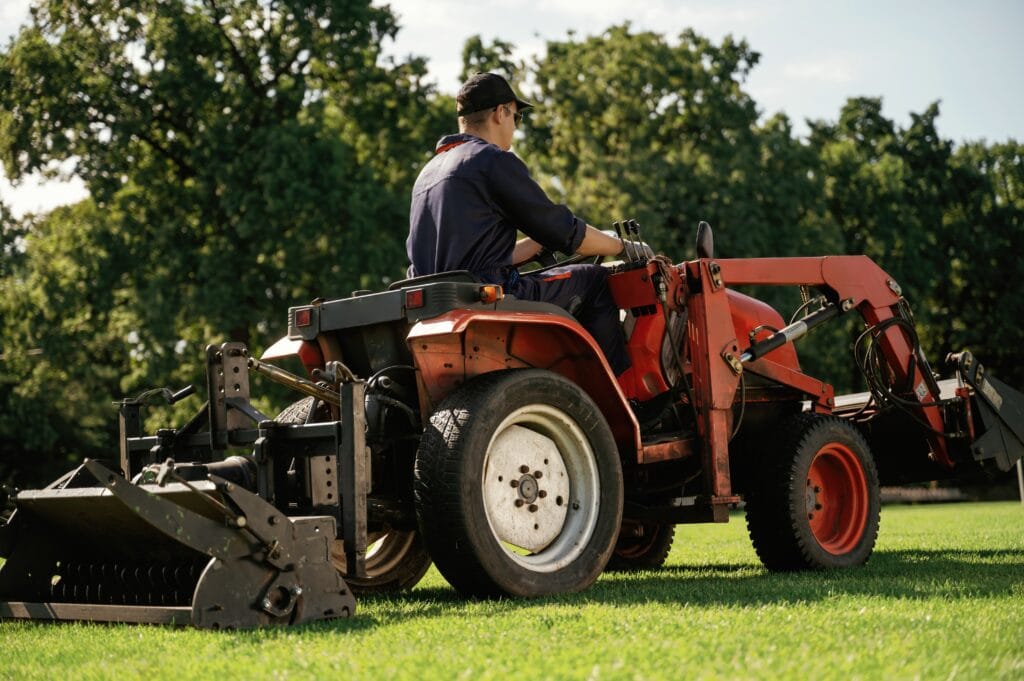
Professional core aeration equipment removes actual plugs of soil, creating deeper openings and more meaningful improvements.
Professional aeration services typically provide:
- More consistent coverage
- Better penetration depth
- Faster completion times
- Reduced risk of lawn damage
In some cases, improper DIY methods can actually worsen compaction instead of improving it.
For homeowners looking for long-term results, professional aeration often provides the greatest return on investment.
If you’d like a deeper look at the science behind aeration and soil improvement, check out our in-depth article here: Lawn Aeration Services Study
How Aeration Works with Other Lawn Care Practices
Aeration is powerful on its own, but it works best when combined with other good lawn care habits.
For example:
- Fertilizer becomes more effective after aeration
- Overseeding can establish more successfully
- Water penetrates deeper into the soil
- Roots have more room to expand
This creates a compounding effect where multiple lawn care practices support one another.
Think of aeration as the foundation. Once the soil is healthy, everything else– from watering to fertilization– becomes more effective.
That’s why many lawn care professionals consider aeration one of the most valuable services for long-term turf improvement.
Ready to Build a Healthier Lawn from the Ground Up?
Healthy lawns start below the surface. If your grass is struggling despite regular watering and maintenance, compacted soil may be preventing your lawn from reaching its full potential. Aeration helps restore healthy soil conditions, improve root growth, and create stronger, greener turf over time.
By improving airflow, water movement, and nutrient absorption, aeration supports the kind of long-term lawn health every Cape Coral homeowner wants.
Looking to improve your lawn in Cape Coral? Contact our Cape Coral lawn care team to schedule a lawn evaluation and start working toward a healthier, greener yard.
FAQs
Q: How often should you aerate a lawn in Florida?
A: Most Florida lawns benefit from aeration once per year, especially if the soil is compacted or the lawn shows signs of stress.
Q: What are the benefits of lawn aeration?
A: Aeration improves airflow, allows water and nutrients to reach roots more effectively, reduces compaction, and supports stronger grass growth.
Q: Can aeration help make my lawn greener?
A: Yes. Aeration improves root access to moisture and nutrients, which often results in greener, healthier grass over time.
Q: When is the best time to aerate a Florida lawn?
A: Spring and early summer are generally the best times because warm-season grasses are actively growing and recover more quickly after aeration.