
What if I told you the same salty ocean breeze that makes Cape Coral living feel like paradise could also be quietly damaging your lawn?
There’s no doubt coastal living is beautiful– but once you start caring for your yard, it quickly becomes clear that Florida’s coastal conditions can make maintaining healthy grass much more difficult than most homeowners expect. Between salt exposure, strong winds, and fast-draining sandy soil, even well-maintained lawns can struggle without the right approach.
That’s why understanding coastal lawn care matters so much in Cape Coral. In this guide, we’ll break down how coastal conditions affect lawn health, what signs to watch for, and what homeowners can do to protect their grass from long-term salt and wind damage.
Why Coastal Conditions Can Make Florida Lawn Care Challenging
These environmental conditions can develop gradually, often going unnoticed until visible lawn issues start to appear.
Florida lawns already deal with heat and humidity– but coastal lawns face additional challenges that inland yards don’t experience.
Salt spray from ocean air and canal breezes can slowly build up on grass blades and soil. Strong winds dry out turf faster and increase stress on root systems. On top of that, Cape Coral’s sandy soil drains quickly, making it harder for grass to retain the moisture and nutrients it needs.
Over time, these conditions can weaken even healthy lawns if maintenance routines aren’t adjusted accordingly.
Coastal environments often lead to:
- Faster moisture loss
- Increased salt buildup
- Weaker root systems
- More visible lawn stress during dry periods
UF/IFAS research shows that Florida coastal landscapes face unique environmental challenges due to salt exposure and wind conditions. This is why ongoing coastal lawn care is so important for long-term lawn health.
How Salt Exposure Damages Your Grass
Salt buildup is one of the biggest hidden problems affecting coastal lawns.
When salt accumulates in soil or on grass blades, it pulls moisture away from the plant. Over time, this dries out the grass, weakens roots, and limits healthy growth.
Some common signs of salt damage to lawn areas include:
- Browning edges on grass blades
- Thin or patchy areas
- Slower growth
- Grass that appears dry even after watering
Salt stress is especially noticeable during dry periods or windy seasons when evaporation increases.
UF/IFAS researchers also note that salt tolerance varies significantly between grass species and landscape plants. This is why choosing the right grass type matters so much in coastal environments.
How to Maintain a Healthy Coastal Lawn
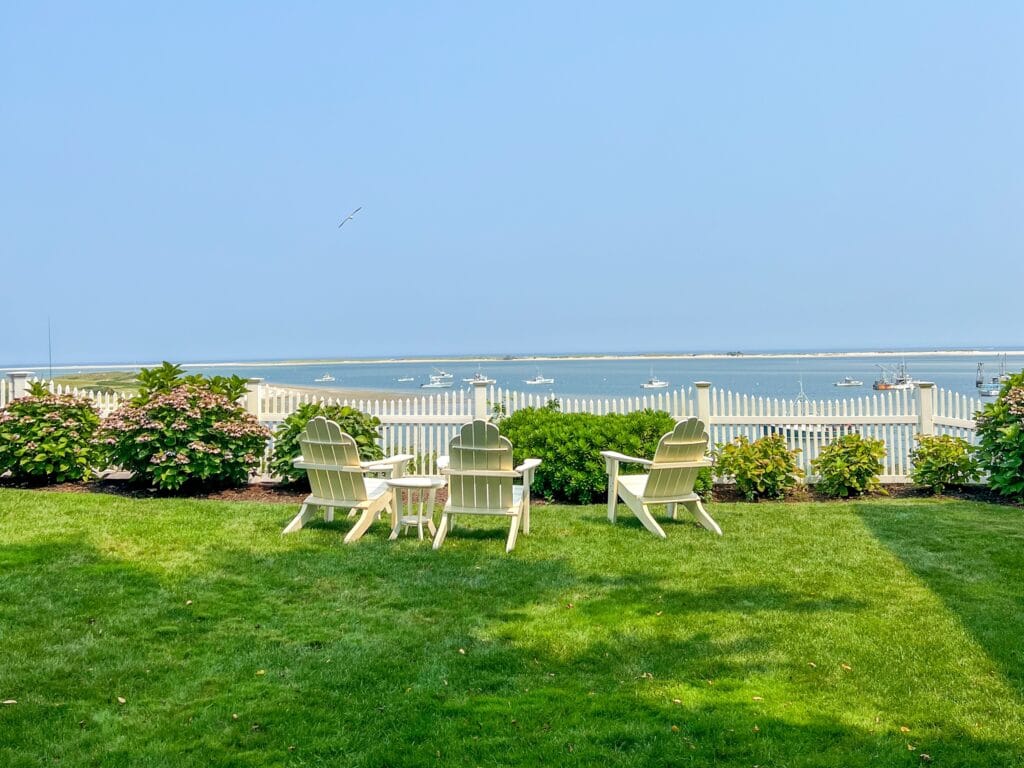
Healthy coastal lawns require a slightly different maintenance approach than standard Florida lawns.
The goal isn’t necessarily doing more work– it’s focusing on the right habits consistently.
Successful Florida lawn maintenance near the coast usually includes:
- Smarter watering habits
- Better soil management
- Salt reduction strategies
- Consistent mowing and fertilization
One of the biggest challenges is sandy soil. Because it drains quickly, water and nutrients don’t stay in the root zone as long as they would in heavier soil types.
That means lawns often need more structured maintenance to remain healthy and resilient.
Watering and Soil Care in Coastal Areas
Watering correctly is one of the most important parts of maintaining a sandy soil lawn.
Because sandy soil drains so quickly, lawns often benefit from more controlled watering sessions that maintain consistent moisture without oversaturating the soil.
A few key strategies include:
- Watering deeply but carefully
- Watering early in the morning to reduce evaporation
- Monitoring dry spots during windy weather
- Adjusting irrigation seasonally based on rainfall
Occasionally flushing the soil with fresh water can also help reduce salt buildup near the root zone.
Healthy soil leads to stronger roots, and stronger roots improve your lawn’s ability to tolerate heat, wind, and salt exposure.
UF/IFAS also provides guidance on proper irrigation and lawn watering practices here.
Want more tips on improving soil health and restoring damaged grass? Check out our lawn recovery guide here: Grass Patch Repair: How to Fix Dead Patches and Revive Your Cape Coral Lawn
Why the Right Grass Matters
Not all grasses can handle coastal conditions equally well.
Some grass varieties tolerate salt exposure, humidity, and wind stress much better than others. Choosing the wrong grass often leads to ongoing maintenance problems, thinning turf, and patchy areas that are difficult to fix.
Some of the best salt tolerance grass options for Florida include:
- Seashore paspalum – One of the most salt-tolerant grasses available
- St. Augustine grass – Popular in coastal Florida because it tolerates humidity and moderate salt exposure well
- Bermudagrass – Durable and resilient in sunny coastal areas
Selecting the right grass type is one of the smartest long-term investments homeowners can make for overall lawn health.
How to Strengthen Your Coastal Lawn
Once you’ve chosen the right grass, maintenance becomes much more effective.
A few simple strategies can strengthen your lawn against salt and wind exposure:
- Fertilize appropriately to support root growth
- Mow at the correct height to reduce stress
- Avoid scalping or cutting grass too short
- Monitor for thinning or dry patches early
- Maintain a consistent care schedule
Healthy roots are the key to a resilient coastal lawn.
UF/IFAS also emphasizes that proper mowing, watering, and fertilization are essential for maintaining healthy turfgrass in Florida environments.
In many cases, professional lawn care support can also make a major difference. Local experts understand how Cape Coral’s coastal conditions affect turf over time and can adjust maintenance accordingly.
Coastal Wind Stress: The Problem Many Homeowners Overlook
Salt isn’t the only issue affecting coastal lawns.
Strong coastal winds can dry out grass much faster than many homeowners realize. Wind increases evaporation, stresses blades, and accelerates moisture loss– especially during hotter months.
This can lead to:
- Dry patches despite regular watering
- Increased lawn stress during summer
- More frequent thinning near open or waterfront areas
Homes near canals or open coastal exposure often experience these effects more intensely.
One of the best ways to reduce wind stress is maintaining strong root systems through proper watering and mowing habits. Dense, healthy grass handles environmental stress much more effectively than weak or shallow-rooted turf.
Long-Term Coastal Lawn Success Comes Down to Consistency
One of the biggest misconceptions about lawn care is that dramatic fixes solve long-term problems.
In reality, healthy coastal lawns are usually the result of small, consistent habits repeated over time.
The homeowners who experience the best results are usually the ones who:
- Water properly
- Mow consistently
- Fertilize appropriately
- Address stress early
- Choose the right grass for their environment
Consistency almost always beats overcorrecting after damage appears.
Ready to Protect Your Coastal Lawn?
Coastal lawns in Cape Coral face unique challenges– but with the right approach, salt exposure, wind stress, and sandy soil don’t have to ruin your yard.
By choosing salt-tolerant grass, improving watering habits, and maintaining strong root systems, homeowners can build healthier lawns that stand up to Florida’s coastal climate much more effectively.
Looking to improve your coastal lawn care routine and protect your grass from salt and wind damage? Contact our team here at Cape Coral Lawn Care today to get expert help building a plan that keeps your lawn strong and green year-round!
FAQs
Q: What is coastal lawn care?
A: Coastal lawn care refers to maintaining grass in seaside environments where salt, wind, humidity, and sandy soil affect lawn health.
Q: How does salt damage affect my lawn?
A: Salt pulls moisture away from grass and soil, leading to browning, thinning, and weaker growth over time.
Q: What grass types are best for coastal areas?
A: Salt-tolerant varieties like Seashore paspalum, St. Augustine, and Bermudagrass tend to perform best in Florida coastal environments.
Q: How do I improve lawn health in sandy soil?
A: Deep watering, proper fertilization, and consistent maintenance help strengthen roots and improve moisture retention in sandy soil.