
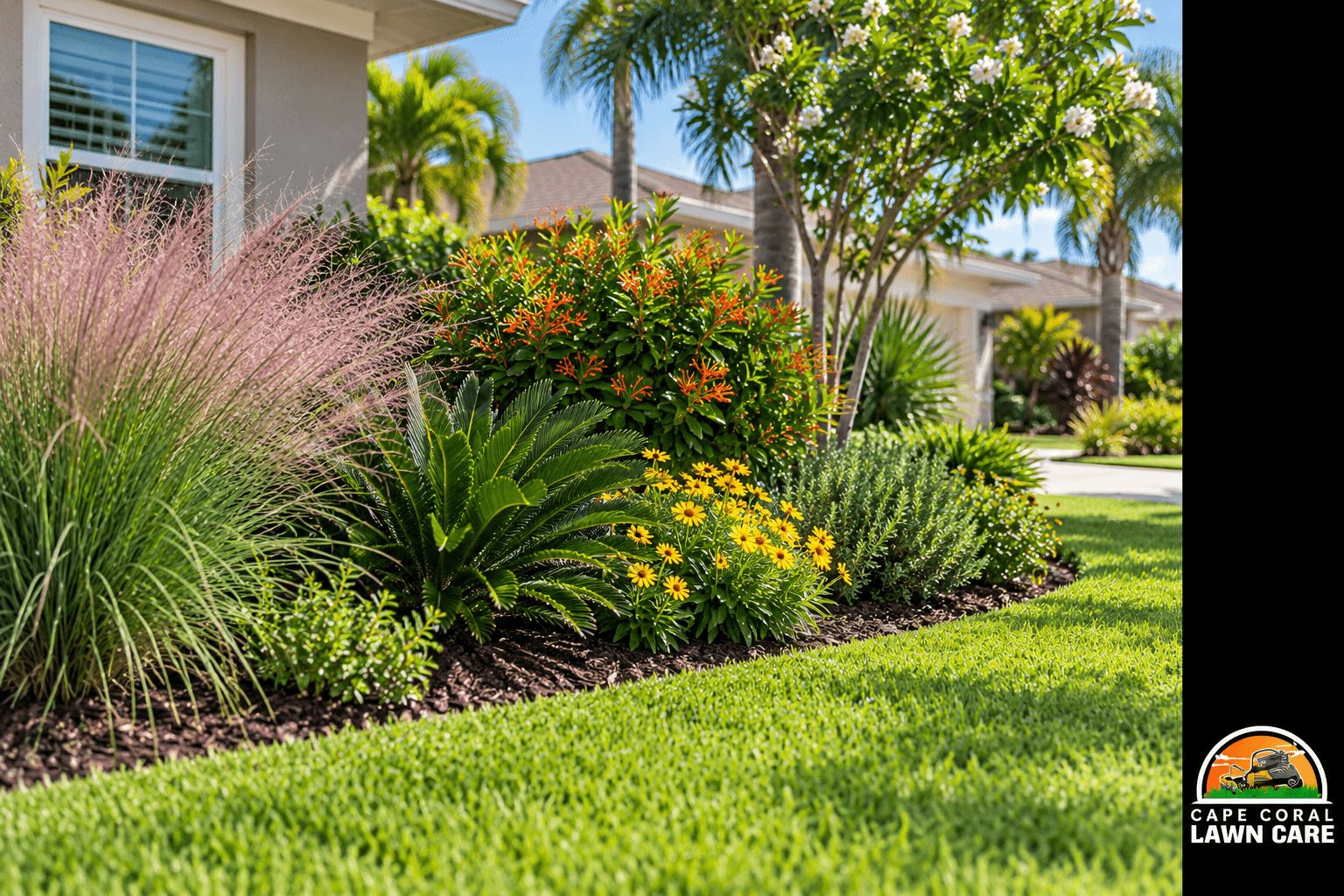
A healthy lawn gives your yard a clean, green foundation, but grass alone doesn’t have to do all the work.
The right shrubs, flowers, ornamental grasses, and groundcovers can add color and personality without taking away from the open space you enjoy. They can frame a driveway, soften a patio edge, dress up a front entry, or fill an awkward corner where grass struggles to grow.
For Cape Coral homeowners, native Florida plants are especially worth considering. They can bring a natural Florida look to your property while adding different heights, textures, flowers, and seasonal interest.
You also don’t need to tear out your lawn and start over.
In many cases, a few well-planned planting beds can make an existing lawn look more finished and intentional. The key is choosing plants that fit your yard’s conditions and placing them where they’ll thrive.
Here are some native plants and simple landscaping ideas that can help you get started.
Why Choose Native Florida Plants for Your Landscape?
Native plants are plants that occur naturally in Florida rather than species introduced from another part of the world.
That doesn’t automatically make every native plant perfect for every Cape Coral yard. Some prefer full sun. Others do better with some shade. One plant may handle dry soil well, while another needs more consistent moisture.
That’s why the best approach is still simple: choose the right plant for the right place.
Before buying anything, look at the area of your yard you want to improve.
Does it get strong afternoon sun? Does water collect there after heavy rain? Is the bed close to your driveway or lanai? How much room will the plant have once it reaches its mature size?
Those questions matter more than choosing a plant based on appearance alone.
When you find the right match, native plants can be a useful addition to Florida landscaping because they offer something turfgrass can’t: variety.
A lawn is mostly one height and one color. Adding plants around it gives you a chance to introduce flowers, berries, different shades of green, interesting foliage, and softer or more dramatic shapes.
That contrast can make the lawn itself look better, too.
How Native Plants Can Complement Your Lawn
Think of your lawn as the open space in your landscape and your planting beds as the frame around it.
You might add plants in areas such as:
- Along the front of your home
- Around a mailbox or front entry
- Next to a driveway or walkway
- Along a fence or property line
- Around a lanai or outdoor sitting area
- In corners where turfgrass is difficult to maintain
- Around the outer edge of a large backyard
These areas give you room to experiment with Florida plants without giving up the lawn.
You can also create more visual interest by mixing plant heights.
Place larger shrubs toward the back of a bed, ornamental grasses or flowering plants can fill the middle, and shorter plants or groundcovers around the front edge.
This layered approach makes a landscape feel fuller without looking crowded.
Planting beds can also break up a very large area of turfgrass. Instead of having grass run from one end of the property to the other, a curved bed along the edge of the yard can add shape and make the lawn look more deliberate.
Good Florida native landscaping is about balance.
The lawn provides open green space. The plants around it provide color, texture, height, and character.
Neither one has to compete with the other.
Native Florida Plants to Consider Around Your Lawn
There are many Florida native plants for landscaping, so the best choice depends on your property and the look you want.
You don’t need to become a plant expert to get started. It can be easier to think about what each plant could add to your yard.
Here are several popular native options to consider.
Beautyberry: Great for Bold Seasonal Color
American beautyberry is known for the bright purple berries that appear along its branches.
It has a loose, natural shape rather than a tightly trimmed appearance, so it can work well in an informal planting bed, along a fence, or toward the back of a larger landscape area.
The berries give the plant a look that stands out from a typical green hedge.
Beautyberry can grow into a fairly substantial shrub, so it needs enough room. It usually makes more sense in a wider planting bed than in a tiny strip between a sidewalk and the house.
Consider beautyberry if: you want a native shrub with noticeable seasonal interest and have enough space for a more natural-looking plant.
Firebush: Great for Adding Flowers
If you want more color around your lawn, firebush is another native plant worth considering.
Its tubular flowers can add a bright accent to landscape beds and help break up large areas of green.
Firebush can work nicely near a patio, along the edge of a backyard, or as part of a mixed bed with plants that have different leaf shapes and colors.
It can also be useful in a wildlife-friendly landscape because its flowers can provide resources for pollinators and other visitors.
Consider firebush if: you want flowering color and have a sunny planting area where the plant has room to grow.
Coontie: Great for Structure and Texture
Not every plant needs flowers to be interesting.
Coontie has stiff, deep-green foliage that gives it a very different appearance from turfgrass and flowering shrubs. That strong shape can help create contrast in a planting bed.
It can work well near walkways, around entry areas, or in mixed beds where you want some greenery that looks structured throughout the year.
Coontie can also be a good reminder that attractive Florida landscaping plants don’t all need to be colorful. Sometimes the shape and texture of the foliage are what make a landscape interesting.
Consider coontie if: you like a clean, structured look and want to add texture rather than relying only on flowers.
Muhly Grass: Great for Soft Texture and Movement
Muhly grass can be especially attractive next to a lawn because it looks so different from turfgrass.
Its fine foliage creates a soft, airy appearance, and its pinkish-purple flower plumes can add noticeable seasonal color.
Try it in a group along a broad lawn edge, near a driveway, or as part of a larger mixed planting bed.
Because the foliage moves with the breeze, muhly grass also brings a sense of movement to areas that might otherwise look flat.
Consider muhly grass if: you want an ornamental grass that can add softness, height, and seasonal color.
Native Groundcovers: Great for Filling Smaller Areas
Shrubs and ornamental grasses aren’t your only options.
Native groundcovers can be useful in areas where you want plants to stay lower to the ground.
They may work along the front of a planting bed, between larger plants, or in certain parts of the yard where maintaining turfgrass is difficult or unnecessary.
Options such as sunshine mimosa and frogfruit may be worth exploring depending on the conditions of the site.
Groundcovers aren’t all interchangeable, though. Some handle foot traffic better than others. Some spread more aggressively, while others have specific sun, moisture, or maintenance needs.
Choose them based on how you actually use the space.
Consider a native groundcover if: you have a smaller area where you want greenery without planting another shrub or maintaining traditional grass.
Using Native Plants for Lower-Maintenance Landscaping
Many homeowners are interested in native plants because they want a yard that looks good without constantly demanding attention.
Native plants can be part of a low-maintenance landscaping plan, but there’s an important distinction:
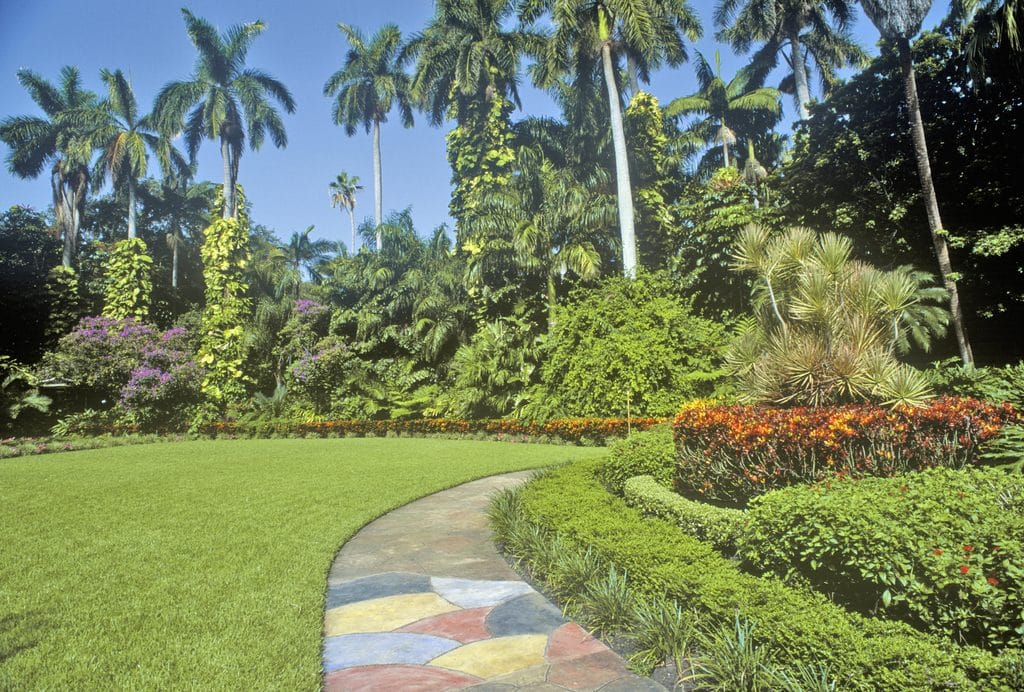
Low maintenance does not mean no maintenance.
New plants still need proper installation and watering while they become established. Some plants may need occasional pruning. Planting beds may still need weeding, edging, or mulch.
The biggest advantage comes from choosing plants that are well suited to the location.
A plant that naturally prefers sunny, drier conditions is more likely to be a good fit for a sunny, well-drained part of your property than a plant that prefers shade and moisture.
That sounds obvious, but it’s one of the easiest landscaping mistakes to make.
People often choose a plant because they like the way it looks at the nursery. Then they try to make the yard fit the plant instead of choosing a plant that already fits the yard.
If you’re not sure which plants are best suited to your Cape Coral property, check out our guide on How to Select the Right Plants for Your Garden in Cape Coral, Florida for more tips on matching plants to the conditions in your yard.
Do You Need Grass Everywhere?
Another way homeowners can rethink maintenance is by asking whether every part of the yard really needs turfgrass.
For many properties, the answer is no.
You may want to keep a large lawn for pets, children, recreation, or simply because you like the open appearance. That’s completely reasonable.
But perhaps there’s a narrow side yard where grass struggles. Maybe the lawn extends into a corner that you never use. Or perhaps there’s a wide strip near the fence that could become a planting bed.
Those areas can provide room for native plants without changing the main part of the lawn.
UF/IFAS has also discussed Florida-Friendly alternatives to traditional turfgrass, including different types of groundcovers.
The important thing to remember is that each alternative has its own requirements. A groundcover that works in one part of the yard might not be suitable for another, especially if the area receives regular foot traffic.
The goal doesn’t need to be “replace the lawn.”
A more practical goal might be: keep grass where grass makes sense and use plants where plants make more sense.
That can give your yard more variety while creating additional opportunities for low-maintenance landscaping.
Native Plants and Wildlife-Friendly Landscaping
A well-planned landscape can do more than look attractive.
Native plants can also provide resources for birds, butterflies, pollinators, and other Florida wildlife.
Depending on the plant, those resources might include flowers, fruits, seeds, foliage, or shelter.
That makes plant variety useful for more than just appearance.
A yard with lawn, flowering plants, shrubs, grasses, and groundcovers provides more types of spaces than a yard made up almost entirely of turfgrass.
You don’t have to turn your property into a wilderness area, either.
Even a neat planting bed near the back fence or a few flowering native plants near the patio can add another layer to your landscape.
The trick is choosing plants that serve both purposes: they should look good in your yard and fit the conditions where they’re planted.
That way, wildlife-friendly landscaping ideas can still work with the clean, well-maintained appearance you want around your home.
How to Create a More Wildlife-Friendly Yard
You can start small.
Choose one area of the yard and add a few different types of native plants.
For example, you could combine:
- A flowering shrub
- An ornamental grass
- A lower-growing plant
- A plant that produces fruit or berries
Using a mix creates different heights and textures while also giving wildlife access to different types of resources.
You can also spread native planting areas around the property instead of putting everything in one large garden.
A few plants near the front walkway can improve curb appeal. Another group near the backyard can add interest around the lawn. A smaller planting area near a fence can soften the edge of the property.
Even relatively small changes can make your landscape more varied.
As always, choose plants based on the actual conditions in the yard.
A beautiful plant that struggles in the wrong location won’t do much for you or the wildlife you’re hoping to attract.
If this is one of your landscaping goals, you can also read our guide to wildlife-friendly landscapes for more ideas about creating a yard that supports birds, butterflies, pollinators, and other local wildlife.
Create a Florida Landscape That Works With Your Lawn
You don’t need to choose between a beautiful lawn and interesting landscaping.
They can work together.
Healthy turfgrass gives the yard a clean, open foundation. Native shrubs can add structure. Flowering plants bring color. Ornamental grasses add movement and texture. Groundcovers can help fill smaller areas and create softer transitions between planting beds and grass.
And you don’t have to redesign the entire property to see a difference.
Start with one area.
Maybe that means adding muhly grass beside the driveway, beautyberry along a back fence, firebush in a sunny planting bed, or coontie near the front entry.
The best native Florida plants are ultimately the ones that fit your yard.
Look at the amount of sunlight an area receives. Pay attention to drainage and moisture. Give plants enough space to reach their mature size. And think about how each planting area will look next to the lawn you already have.
A few thoughtful choices can make a big difference.
Your lawn can remain the centerpiece while native plants add the color, texture, wildlife value, and Florida character that make the rest of the yard feel complete.
Need help choosing native Florida plants for your Cape Coral yard? Cape Coral Lawn Care can help you find options that fit your landscape and complement a healthy, well-maintained lawn.
FAQs
Q: What native plants look good around a Florida lawn?
A: Beautyberry, firebush, coontie, and muhly grass are a few native options that can add different colors, textures, and heights around a Florida lawn. Beautyberry can provide bold seasonal berries, firebush adds flowers, coontie offers structured green foliage, and muhly grass brings soft texture and seasonal color.
The best choice depends on the conditions in your yard, including sunlight, moisture, available space, and the overall look you want.
Q: Are native Florida plants low maintenance?
A: Many native plants can work well in a low-maintenance landscaping plan when they are planted in a location that suits their needs.
That does not mean they require no care. New plants still need appropriate watering while they become established, and some may need occasional pruning or other maintenance.
Choosing plants that naturally fit the conditions of your property can make ongoing care more manageable.
Q: Can native plants attract wildlife?
A: Yes. Many native plants can provide flowers, fruits, seeds, shelter, or other resources for birds, butterflies, pollinators, and local wildlife.
You don’t need a large wildlife garden to make a difference. Even a small planting bed with several types of Florida plants can add more variety to an existing landscape.