
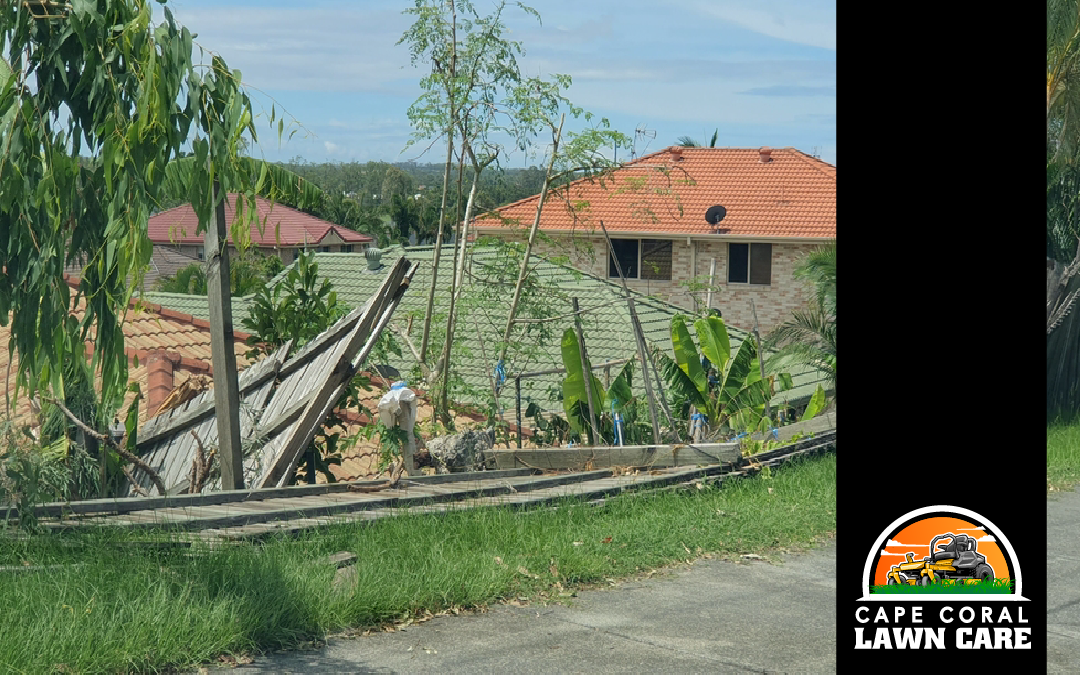
The aftermath of severe weather sweeping through Cape Coral can leave your yard covered in branches, heavy debris, and damage that’s overwhelming to clean up. Between fallen trees, scattered palm fronds, and soggy, damaged turf, knowing where to even start can be tough– and in some cases, unsafe.
Storm clean up isn’t just about making your lawn look better. It’s about making sure your property is safe and preventing further damage. In this guide, we’ll walk you through how storm clean up works, how to handle debris safely, and how to prepare your lawn before the next storm rolls through Southwest Florida.
Cape Coral Storm Clean Up: How the Recovery Process Works
When a heavy storm or hurricane passes through our beloved hometown, the damage can be extensive. Strong winds can snap tree branches, uproot trees, scatter debris across your yard, and even strip your grass of its protective top layer. Flooding can introduce mud, silt, and sand that smother healthy turf.
Anyone local knows that storm debris can vary widely. According to the EPA’s guide on disaster debris, hurricane waste can include everything from vegetation to building materials– all of which must be handled and disposed of properly.
That’s why proper debris removal and hurricane clean up are so important. Cleaning up the right way helps restore your lawn, protects your soil, and prevents long-term issues like erosion, pests, and root damage.
Here are the key steps in a typical post-storm clean up:
- Tree trimming and branch collection. Remove broken limbs, leaning branches, and fallen palm fronds before they rot or attract pests.
- Lawn and soil restoration. Smooth out ruts, remove silt or sand deposits, and revive damaged grass.
- Debris sorting and waste hauling. Separate organic debris from non-organic materials like fencing, plastics, or roof materials.
- Drainage and erosion inspection. Check swales, gutters, and low-lying areas to ensure water flows properly.
Following these guidelines after a major storm is the key to effective storm debris removal and helps your yard begin its post-storm recovery. And remember– this process not only restores your yard– it also helps protect your home from future storm damage.
Essential Safety Tips for Post-Storm Debris Removal
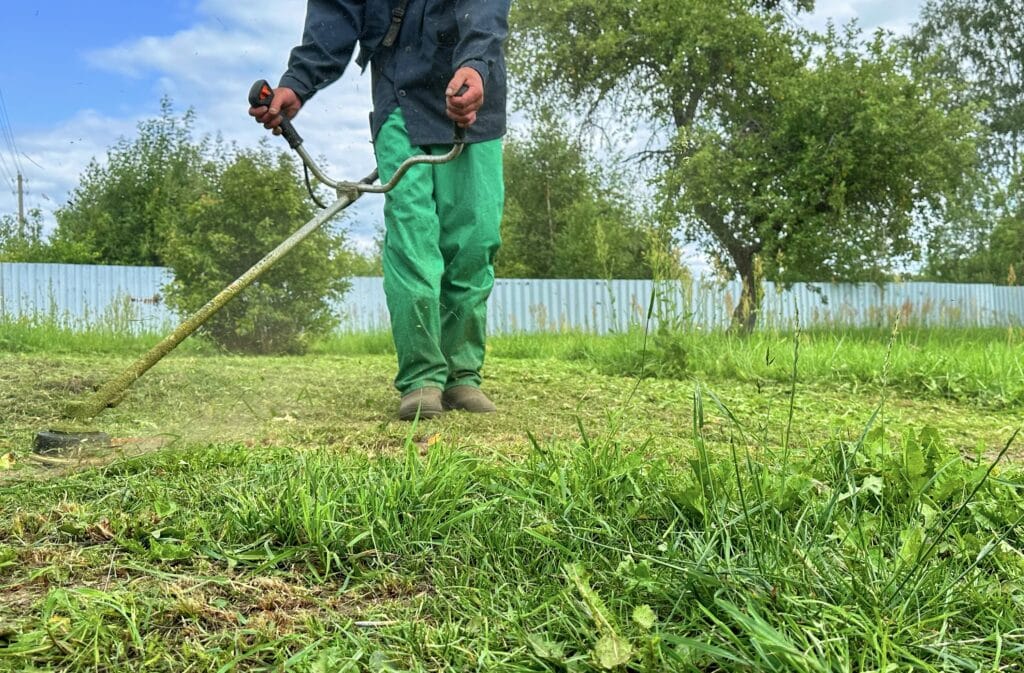
Safety should always be your top priority after severe weather. Even small debris piles can hide hazards like sharp metals, broken glass, or unstable limbs.
Here are essential safety practices every Cape Coral homeowner should follow:
- Wait until fallen power lines are cleared and local authorities say the area is safe.
- Wear gloves, boots, and protective eyewear when handling debris.
- Separate organic and non-organic debris. Keep branches, leaves, and palm fronds in one pile– metal, siding, or plastics in another.
- Keep storm drains clear to avoid additional flooding or water backups.
- Avoid handling hazardous or heavy debris alone. Hire a professional crew or gather a group of helpers.
These precautions make debris removal safer and help your property recover faster. But if you’d rather not worry about it all, we can help. Here at Cape Coral Lawn Care, we specialize in safe, affordable, and professional debris removal and much more. We’d love to talk today.
Preparing Your Lawn for the Next Storm Season
Once the initial clean up is complete, it’s time to focus on preventive maintenance. Strengthening your lawn before the next storm can make a huge difference– it may even reduce how much debris ends up in your yard during severe weather.
UF IFAS offers a helpful guide on preparing your trees for hurricane season, which explains how proper trimming and maintenance can lower your risk of falling limbs and tree damage.
To keep your property storm-ready:
- Maintain consistent mowing and watering. Healthy turf with deep roots survives storms more easily.
- Trim overgrown shrubs or trees. This reduces the amount of debris that breaks off during heavy winds.
- Fertilize and reseed thin areas. Strong, dense turf is more resistant to damage.
- Aerate compacted soil. Aeration improves drainage and prevents standing water, one of the main causes of turf decline after storms.
- Use stakes for newly planted or young trees. Temporary staking can help stabilize the root system until the tree regains strength.
- Cover vulnerable plants with breathable burlap. This helps protect delicate shrubs and new plantings from strong winds and blowing sand during major storms.
For help maintaining a healthy, storm-ready yard, check out our lawn care service page for more details on lawn care Cape Coral homeowners rely on year-round.
Why Local Expertise Matters for Florida Hurricane Clean Up
Florida storm damage is different from storm damage anywhere else. Cape Coral’s coastal location, sandy soil, and exposure to tropical systems all require specialized knowledge when it comes to storm recovery.
Local professionals understand:
- How wind, salt spray, and flooding impact soils and vegetation
- Which trees and shrubs recover well, and which may need removal
- How to assess root damage safely
The University of Florida’s hurricane recovery guide, Assessing Damage and Restoring Trees After a Hurricane, breaks down how trees respond to wind damage and why proper restoration techniques matter.
Locals know that hiring licensed professionals also ensures debris is handled according to Florida hurricane clean up regulations– something out-of-area crews may not know.
When to Schedule Professional Storm Clean Up in Cape Coral
Timing matters after severe weather. Hurricane season begins June 1st and lasts through late November, with peak activity between August and October. You don’t want to wait until the aftermath of a storm to know who you can trust for your clean up needs. We also offer preventative support and consultations as well.
It’s also important to know what a professional team like ours can do for you so you’re fully prepared.
Professional storm clean-up teams like ours can:
- Identify hidden lawn and root damage
- Catch erosion or drainage issues early
- Check irrigation systems disrupted by debris
- Remove large fallen limbs safely
- Recommend repairs DIY efforts often miss
When disposing of storm debris, it’s important to follow local guidelines. Lee County’s official debris guide, Hurricane Debris Collection & Guidelines, explains what will be collected curbside, how to separate materials, and how to stage debris properly.
Without proper clean up, issues like root rot, soil compaction, and pest invasion can worsen over time.
Want to Protect Your Lawn Before the Next Storm?
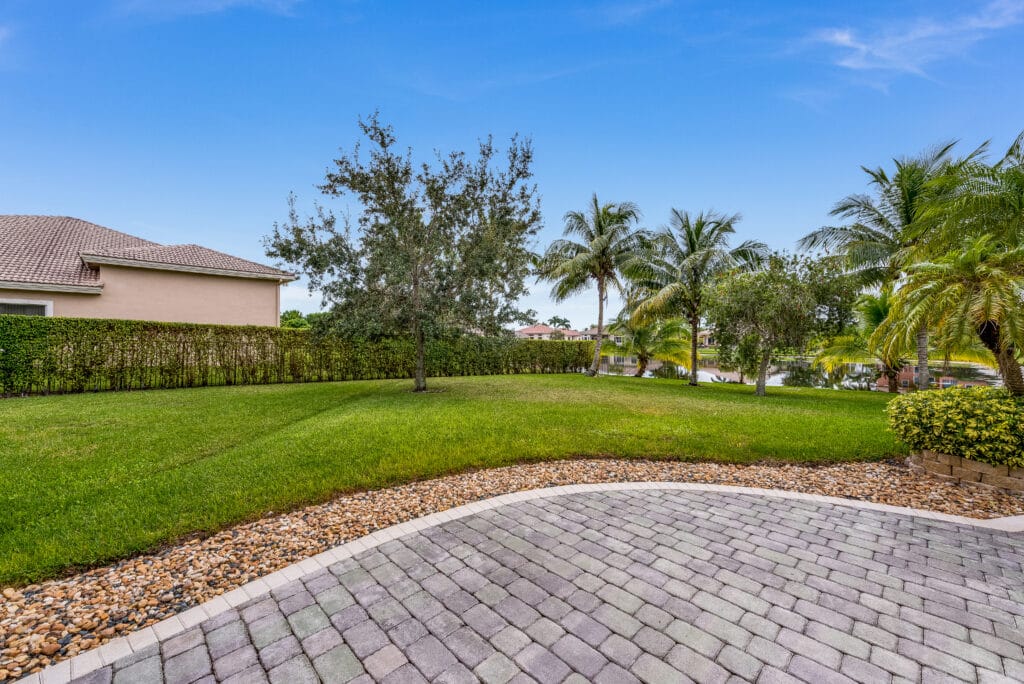
Cleaning up after a storm is a major task, but taking the right steps can help restore your yard quickly and safely. From debris removal to lawn restoration and preventive care, combining expert assistance with proactive maintenance can make all the difference when severe weather hits Cape Coral.
Want to make sure your lawn is prepared before the next storm arrives? Contact us here at Cape Coral Lawncare today to get started with preventive maintenance and expert support long before a storm is on its way.
FAQs
Q: How soon should I start cleaning up after a hurricane?
A: It’s best to wait until local authorities confirm the area is safe. Once it is, begin clearing small debris within 24–48 hours to prevent pests and long-term turf damage. And always watch for downed powerlines.
Q: Can I handle storm clean up by myself?
A: It depends. Light debris can often be handled safely, but anything involving heavy limbs, electrical hazards, or flooding should be left to licensed professionals.
Q: What happens if I leave storm debris on my lawn too long?
A: Debris left on your lawn can suffocate roots, trap moisture, attract pests, and cause lasting turf and soil damage.
Q: How can I prepare my yard before the next hurricane?
A: Trim trees, clear gutters, aerate your soil, and stay on top of regular lawn care. Strong roots and proper drainage help your lawn endure severe storms.