

For any new homeowner, buying your first house is an incredibly exciting moment, especially in Cape Coral. But once the keys are in your hand and the boxes are unpacked, one question tends to pop up fast: How do I actually take care of my lawn?
Between Florida’s intense sun, high humidity, sandy soil, and the Cape Coral watering schedule to follow, lawn care can feel overwhelming at first. Many neighborhoods also have strict homeowner’s association guidelines that require specific lawn care practices.
The good news? It doesn’t have to be complicated. This guide to lawn care for new homeowners breaks everything down into simple, practical steps so you can feel confident managing your yard from day one.
Step 1: Understand What Makes Florida Lawn Care Different

Let’s start with the basics of lawn care in Florida. One of the first surprises for new homeowners moving to Florida is how different lawn care feels compared to northern states.
In many cooler regions, grass goes dormant for months during winter. In Cape Coral, lawns grow almost year-round. Growth may slow slightly during cooler months, but it rarely stops completely.
That means:
- Mowing happens more frequently.
- Edging and trimming are ongoing tasks.
- Fertilization timing matters more.
- Irrigation must follow local regulations.
Cape Coral also enforces a watering schedule to conserve water and protect local resources. Following this lawn watering schedule Florida cities implement helps avoid fines and prevents overwatering, which can weaken your lawn.
Understanding that Florida lawns operate on a different rhythm is the first step toward effective lawn care in Cape Coral.
How Heat, Humidity, and Sandy Soil Change Everything
Cape Coral’s environment directly impacts how your lawn grows– and how you should care for it.
Sandy soil drains quickly. While that prevents puddling, it also means nutrients wash away faster. Without proper fertilization, lawns can develop weak roots and thin turf.
Intense heat stresses grass, especially during summer. Even healthy lawns need consistent watering and correct mowing height to survive prolonged high temperatures.
High humidity creates ideal conditions for fungus and disease. Lawns that stay too wet– whether from rain or overwatering– can quickly develop brown patches or mildew.
These environmental factors are why strong, consistent Florida lawn care tips and seasonal lawn care adjustments are so important. In Cape Coral, preventative care makes all the difference.
Step 2: Identify Your Grass Type and Learn What It Needs
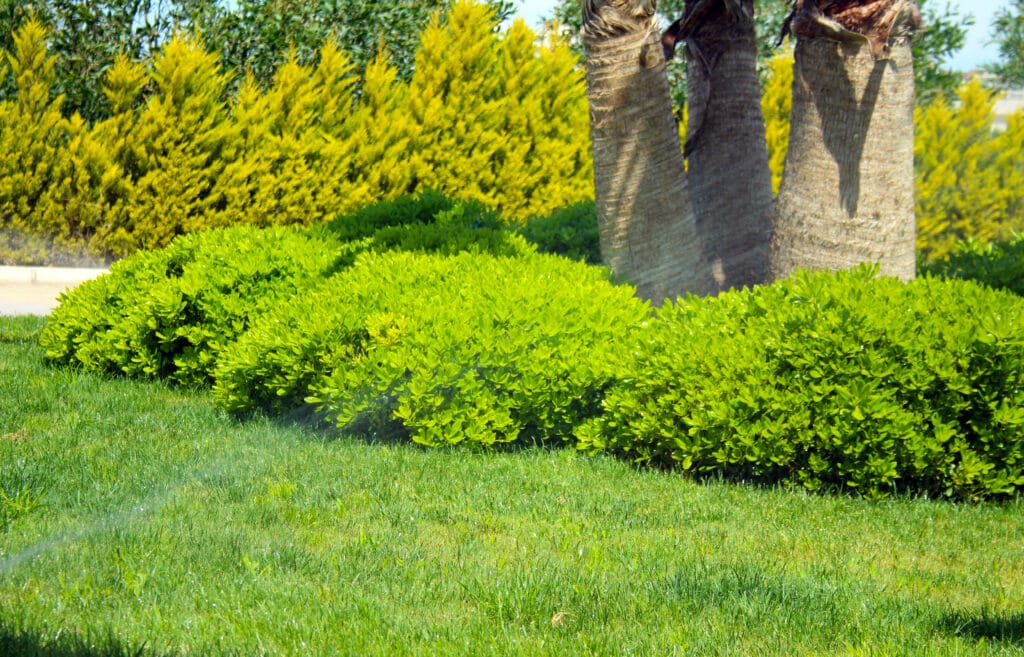
Not all Florida grass is the same. Knowing your grass type allows you to set the right mowing height, choose appropriate fertilizer, and follow the correct watering schedule.
In Cape Coral, the most common grass types include:
- St. Augustine – Thick, lush, and heat-tolerant.
- Bahia – Durable and drought-tolerant.
- Zoysia – Dense and soft, with moderate maintenance needs.
For example, St. Augustine should be mowed higher (around 3.5–4 inches). Cutting it too short weakens the lawn and invites weeds.
UF/IFAS provides detailed grass-specific care information in their publication on Florida turfgrass management basics.
Understanding your specific grass type helps you avoid guesswork and follow smarter Florida lawn maintenance practices.
Common Mistakes New Homeowners Make With Florida Grass
When you’re new to Florida lawn care, it’s easy to make a few common mistakes.
One of the biggest? Mowing too short. Many homeowners assume shorter grass means less mowing– but in reality, it weakens roots and makes lawns more vulnerable to weeds and heat stress.
Overwatering is another frequent issue. Because sandy soil drains quickly, it’s tempting to water often. But too much irrigation can create shallow roots and fungal problems. A helpful tip: water early in the morning to reduce evaporation and minimize fungus risk.
Fertilizing at the wrong time is also common. Applying fertilizer outside your grass’s active growing season can result in uneven color or patchy growth.
Understanding the best grass for Florida lawns– and how each type behaves– helps prevent these early mistakes.
Step 3: Build Your Simple Lawn Care Routine
Now that you understand your environment and grass type, it’s time to create a simple routine.
Start with your watering schedule. In Cape Coral, watering days are regulated. Following the assigned schedule protects local water supplies and keeps your lawn healthy.
Next, establish a lawn fertilization schedule. Most Florida lawns benefit from fertilization during active growing seasons in spring and summer. Zoysia, for example, performs best when fertilized lightly but consistently during peak growth.
You should also adjust mowing frequency depending on the time of year. During late spring and summer, grass may need weekly mowing. In cooler months, you can often reduce that frequency.
UF/IFAS offers helpful general guidance on best lawn care practices for Florida, which align closely with building a reliable lawn care checklist.
Step 4: Make Smart Seasonal Adjustments
Florida doesn’t have many dramatic seasonal changes, but your lawn still responds to shifts in weather.
During late spring and summer:
- Increase mowing frequency.
- Monitor irrigation carefully.
- Watch for pests and fungus.
During cooler months:
- Reduce fertilization.
- Adjust watering if rainfall decreases.
- Continue light maintenance to prevent overgrowth.
Rainfall should always influence your irrigation habits. If it’s been raining consistently, skip your scheduled watering day to prevent excess moisture.
These small seasonal lawn care adjustments help maintain strong turf without unnecessary work.
Step 5: When to Consider Professional Lawn Help
Even with a checklist, lawn care can feel overwhelming at times– especially for new homeowners.
If you’re unsure about your grass type, fertilization timing, or watering schedule, professional guidance can prevent costly mistakes.
Local experts understand:
- Cape Coral soil conditions
- Seasonal growth patterns
- Watering regulations
- Common lawn issues in the area
If you’d like to learn more, check out our guide on Top 3 Low-Maintenance Grass Species for Busy Cape Coral Homeowners to see which options may be best for your lawn and when it may be time to bring in our team.
Professional lawn maintenance services can provide consistent mowing, fertilization, and monitoring so your yard stays healthy year-round.
Ready to Make Lawn Care Simple and Stress-Free?
Lawn care can feel like a lot when you’re a new homeowner– especially in Florida’s unique climate. But once you understand your grass type, follow the Cape Coral watering schedule, and build a simple routine, it becomes much more manageable.
Staying organized with a clear lawn care checklist helps prevent common mistakes and keeps your yard looking great throughout Florida’s long growing season. But that may not always be enough– especially if you’re still learning the ins and outs of your new home.
Ready to make lawn care simple and stress-free? Contact our team here at Cape Coral Lawn Care today and let us help you build a healthier, more beautiful yard for your new home.
FAQs
Q: What is the most common grass type in Cape Coral?
A: St. Augustine grass is the most common because it handles Florida’s heat and humidity well.
Q: How often can I water my lawn in Cape Coral?
A: Watering must follow the lawn watering schedule Florida municipalities enforce, typically limiting watering to specific days per week.
Q: How often should I fertilize my Florida lawn?
A: Most lawns benefit from a structured lawn fertilization schedule during the active growing season, adjusted for rainfall and grass type.
Q: Is professional lawn care worth it for new homeowners?
A: Yes. Professional services help prevent common beginner mistakes and ensure your lawn remains healthy throughout Florida’s long growing season.