
Living in one of the most humid states in the country can make lawn care feel like a challenge year-round.
One week, your Cape Coral lawn may be dealing with intense sunshine and heat. The next, afternoon storms can leave the grass wet for days.
Add warm nights and high humidity, and it is easy to see why Florida lawns can develop yellow patches, thinning grass, or other problems even with regular care.
Florida humidity is an important part of the picture, but it is not the only thing affecting your grass. Rainfall, irrigation, mowing habits, shade, drainage, heat, and the type of grass growing in your yard can all change how the lawn responds.
The good news is that you don’t need to control the weather to protect your lawn.
Understanding how humid conditions affect grass– and adjusting your lawn care routine when the weather changes– can help you catch problems earlier and avoid making them worse.
Why Florida Humidity Can Be Hard on Your Lawn
Grass needs moisture to stay healthy. The problem comes when the lawn stays wet for too long.
That can happen easily in Cape Coral.
High humidity slows down the drying process. Add frequent summer rain, morning dew, irrigation, and shaded parts of the yard, and some areas of grass may remain damp for much longer than you realize.
Those consistently moist conditions can increase the risk of lawn fungus and other grass diseases.
This doesn’t mean humidity automatically causes disease. Think of it more as one part of an environment where certain problems can become easier to develop.
The condition of the lawn matters, too.
Grass that is already stressed from being cut too short, watered too often, poor drainage, or another issue may have a harder time handling Florida’s hot and humid weather.
Some parts of your lawn may also be more vulnerable than others.
For example, the grass beside your sunny driveway may dry fairly quickly after a storm. A shaded area behind the house or along a fence may stay damp for hours longer.
That is why two sections of the same yard can look completely different even though they receive the same basic Florida lawn care.
Most importantly, don’t assume that a struggling lawn means you have done something wrong.
Florida can create difficult growing conditions. Even a lawn that receives regular care can experience periods of stress when high temperatures, heavy rainfall, and humidity arrive at the same time.
How Excess Moisture Can Lead to Lawn Problems
Have you ever noticed a section of grass starting to look yellow or brown after several days of rainy weather?
Your first instinct might be to assume it needs more water.
That can sometimes make the problem worse.
When grass remains wet for extended periods, conditions can become more favorable for fungal activity. Moisture may sit on the grass blades, remain trapped near the soil, or linger in thick or shaded areas of turf.
Some lawn problems may begin as small changes that are easy to miss.
Watch for signs such as:
- Yellow, brown, or gray-looking patches
- Grass that is noticeably thinner in one area
- Circular or irregular patches that seem to be getting larger
- Spots or unusual markings on individual grass blades
- Sections that stay soggy much longer than the surrounding lawn
- Turf that does not seem to recover even with normal care
One of the most important things you can do is avoid diagnosing the problem based on color alone.
Brown grass doesn’t always mean drought. Yellow grass doesn’t automatically mean fungus.
Similar symptoms can come from insects, irrigation problems, poor drainage, nutrient issues, heat stress, or other conditions.
That is why identifying the cause is an important part of dealing with grass diseases and other lawn problems.
If you want a deeper look at the connection between moisture and disease, read our guide to Lawn Diseases in Florida: Humidity, Spread & Prevention.
The takeaway for homeowners is simple: don’t automatically add more water every time the lawn starts looking stressed.
Take a closer look first.
How Florida Weather Changes Your Lawn Care Needs
One of the biggest mistakes you can make with a Florida lawn is treating January exactly like July.
The weather changes, and your lawn changes with it.
During warmer months, grass may be actively growing while dealing with intense heat, heavy rain, and high humidity. During cooler or drier parts of the year, growth and water needs may change.
That means good seasonal lawn care requires some flexibility.
Instead of thinking, “I water on these days no matter what,” consider what your lawn has experienced recently.
- Has it rained heavily several times this week?
- Has the weather been unusually dry?
- Is the grass growing quickly?
- Are shaded areas staying wet while sunny areas are drying faster?
Those observations can tell you much more than simply following the same maintenance routine throughout the year.
Summer Can Be Especially Challenging
Florida summers can throw several stresses at your lawn at the same time.
You may have high temperatures, strong sunshine, frequent thunderstorms, humid nights, and fast-growing grass all in the same week.
More water is not always the answer.
UF/IFAS warns that summertime lawn problems can be made worse by common maintenance mistakes, including mowing too short and improper watering.
Grass that is already under environmental stress may have a harder time recovering when routine care adds even more stress.
This is where paying attention becomes an important part of Florida lawn maintenance.
After a stretch of heavy rain, for example, your irrigation system may not need to run as often as it normally would.
During hot but relatively dry weather, the lawn may show signs that it actually does need water.
The goal isn’t to constantly change everything you do. It is simply to avoid putting your lawn on autopilot.
A quick walk around the yard once or twice a week can tell you a lot.
Look at the color of the grass. Check for unusual patches. Notice whether certain areas are wetter than others. Pay attention to whether grass growth has sped up or slowed down.
Small changes are easier to deal with before they become large lawn problems.
Why Your Lawn Care Routine Should Change With the Seasons
Think of your lawn care routine as a guide rather than a strict checklist.
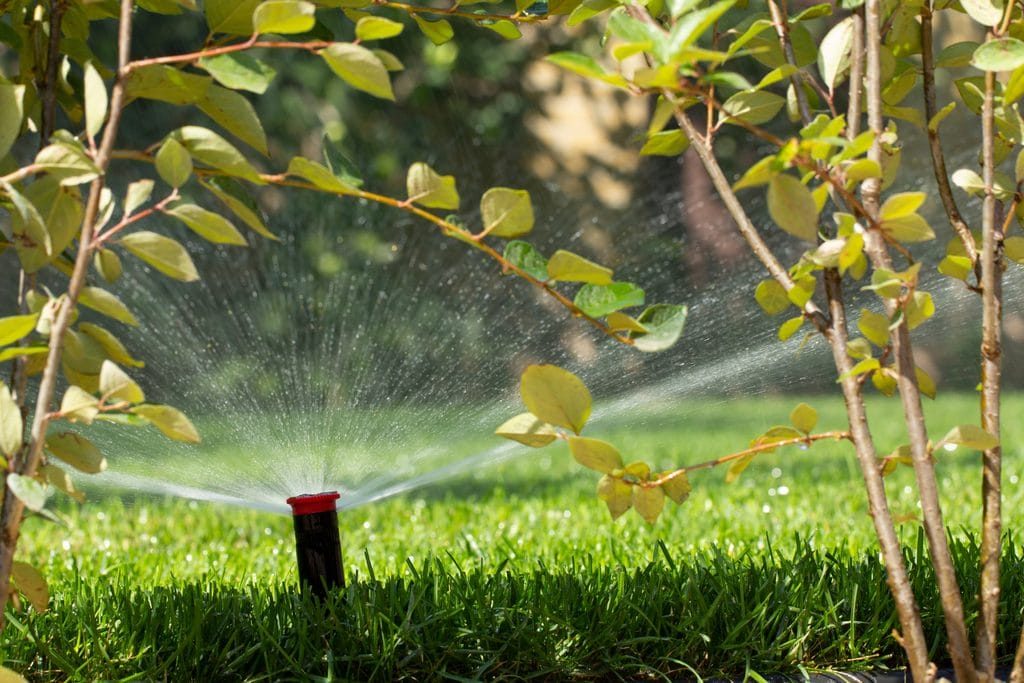
Your basic tasks may stay the same throughout much of the year: mowing, watering when needed, monitoring the grass, and handling routine yard maintenance.
- What changes is how often those tasks are necessary.
- During periods of fast growth, mowing may need more attention.
- When regular rainfall is providing enough moisture, you may need less irrigation.
- When humidity and rainfall stay high, keeping an eye out for disease symptoms becomes especially important.
- During drier stretches, the lawn may show different types of stress.
Even the same part of your yard can behave differently from season to season.
An area that dries quickly during spring may stay wet much longer once frequent summer thunderstorms arrive.
That is why successful grass care involves responding to the lawn you actually have today rather than the conditions you had two months ago.
For a month-by-month look at what your Cape Coral lawn may need, check out our Seasonal Lawn Care Calendar for Cape Coral: What to Do Each Month.
A seasonal lawn care schedule can provide a helpful starting point. Just remember that current weather conditions should always be part of your decision.
Simple Ways to Protect Your Lawn During Humid Weather
You can’t reduce the humidity outside, but you can avoid adding unnecessary stress and moisture to your lawn.
A few simple habits can make humid weather lawn care much easier.
1. Don’t Water Just Because the Timer Says So
An automatic sprinkler system can be convenient, but it shouldn’t replace paying attention to the weather.
If your lawn just received a heavy rain, adding another round of irrigation may leave the soil wetter than necessary.
UF/IFAS recommends watering based on signs that turf actually needs moisture rather than simply running irrigation on the same schedule regardless of conditions.
Look at your lawn first.
Grass that needs water may begin showing signs of wilt or changes in appearance. On the other hand, a lawn that is already wet from rain does not need more water simply because Tuesday happens to be an irrigation day.
This is one of the simplest ways to reduce unnecessary moisture.
2. Pay Attention to Areas That Stay Wet
Not every part of your yard dries at the same speed.
The area near the street may receive full sun for most of the day, while grass between your house and a privacy fence receives only a few hours of direct sunlight.
One area may have excellent drainage. Another may collect water after every thunderstorm.
These wetter areas deserve extra attention because prolonged moisture can increase disease pressure.
If one spot consistently stays soggy long after the rest of the yard has dried, the underlying issue may be drainage, irrigation coverage, shade, or another site condition.
That is worth investigating rather than repeatedly treating the grass itself.
3. Avoid Mowing Too Short
A freshly cut lawn looks great, but shorter does not always mean healthier.
Cutting grass too low removes more leaf tissue and can add stress, particularly when the lawn is already dealing with summer heat.
UF/IFAS identifies mowing too short, or scalping, as a common summertime lawn care mistake because it can make grass less able to handle environmental stresses.
The correct mowing height depends on the type of turfgrass growing in your yard.
Whatever grass you have, the goal should be to maintain it appropriately rather than shaving it as close to the ground as possible.
Healthy grass needs enough leaf surface to support normal growth.
4. Avoid Mowing Wet Grass When Possible
Florida weather does not always make this easy.
Sometimes it feels like the lawn is wet every time you finally have a chance to mow.
Still, mowing very wet turf can lead to an uneven cut and can make routine lawn maintenance more difficult.
If conditions allow, give the lawn some time to dry.
This is especially useful after heavy rain when the soil itself may be soft or saturated.
5. Look at Your Lawn Regularly
You don’t need to inspect every blade of grass.
Just get in the habit of noticing changes.
Walk around the yard and ask:
- Is one area changing color?
- Is a patch getting larger?
- Does part of the lawn look thinner?
- Is water collecting somewhere it normally doesn’t?
- Are there spots or lesions on the grass blades?
- Does one area stay wet much longer than everything around it?
Early detection can be especially helpful with lawn fungus and other spreading problems.
A patch that is only a few feet wide is much easier to investigate than a problem affecting half the yard.
6. Don’t Treat Every Brown Patch the Same Way
This one is important.
If you see brown or yellow grass, resist the urge to immediately turn up the sprinklers or apply a random lawn treatment.
Discoloration is a symptom, not a diagnosis.
The underlying cause could be fungal disease. It could also be insects, too much water, too little water, poor sprinkler coverage, mowing stress, or another issue.
Trying several treatments at once can make it even harder to figure out what was wrong in the first place.
Good Florida grass care starts with identifying the problem as accurately as possible.
What About Lawn Fungus During Florida’s Rainy Season?
Fungus tends to get a lot of attention when Florida lawns start developing patches, and for good reason. Warm, wet, humid weather can create conditions where certain turf diseases become more noticeable.
UF/IFAS notes that turf disease activity depends on environmental conditions and lawn stress. Different diseases can also become active at different times.
That means there isn’t one universal “fungus season” where every Florida lawn develops the same disease.
What homeowners can do is reduce the conditions that make disease easier to develop.
That includes avoiding unnecessary irrigation, maintaining the proper mowing height, watching areas with poor drainage, and noticing symptoms early.
These steps can’t guarantee that you will never see a fungal problem.
They can, however, help reduce avoidable stress on the lawn and make it easier to spot changes before the damage becomes extensive.
When to Consider Professional Lawn Care
Not every yellow spot or patch of thin grass requires professional treatment.
Sometimes a small problem improves after adjusting irrigation or correcting another simple maintenance issue.
But recurring or spreading damage deserves a closer look.
Consider professional help if:
- Brown or yellow patches continue getting larger
- The same problem keeps returning
- Grass continues thinning despite routine care
- Adjusting irrigation does not improve the area
- You aren’t sure whether you’re dealing with insects, disease, or another problem
- Large sections of the lawn are affected
- The problem seems to improve and then quickly returns
The biggest advantage of professional lawn disease treatment is not simply applying a treatment.
It is identifying what is actually causing the problem.
If the grass is declining because of a drainage issue, repeatedly treating for fungus won’t correct the drainage.
If an insect is damaging the turf, adding more water won’t solve it.
If overwatering is contributing to the problem, running the irrigation system even more may make things worse.
Professional lawn care can help separate the symptom from the cause.
That is especially useful with lawn problems that look similar from the surface.
UF/IFAS also recommends identifying turf disease before deciding on treatment rather than broadly applying fungicides without knowing whether a fungal disease is actually present.
For homeowners, that reinforces a good rule: diagnose first, treat second.
Help Your Lawn Handle Florida’s Changing Weather
Florida weather will never make lawn care completely predictable.
There will be hot weeks, rainy weeks, unusually dry periods, humid mornings, and sudden summer storms.
Your lawn has to deal with all of them.
The best approach is not trying to follow one perfect routine throughout the entire year. Instead, make small adjustments based on what the weather– and your grass– are telling you.
Avoid adding irrigation when the lawn is already receiving plenty of rain.
Keep your grass at the appropriate mowing height instead of cutting it too short.
Watch areas that remain damp or shaded.
And pay attention when a section of lawn suddenly changes color, begins thinning, or looks different from the surrounding turf.
Most importantly, don’t assume every lawn problem has the same solution.
Florida humidity can increase disease pressure, but rainfall, irrigation, heat, insects, drainage, grass type, and routine maintenance can all play a role in how your lawn looks and performs.
Paying attention early can save you from a lot of guesswork later.
Don’t guess what’s causing your lawn problems. Contact our team at Cape Coral Lawn Care for professional help keeping your grass healthy through Florida’s heat, humidity, rainfall, and changing weather.
FAQs
Q: Does Florida humidity cause lawn fungus?
A: High humidity can create conditions that make it easier for certain fungal lawn diseases to develop, especially when temperatures are warm and grass stays wet for extended periods.
Humidity isn’t the only factor, though. Rainfall, irrigation, drainage, grass type, shade, and the overall condition of the lawn can all influence disease pressure.
Q: Should I water my lawn every day in Florida?
A: Not necessarily. Florida lawns should be watered based on their needs and recent weather rather than automatically receiving water every day. Frequent rain may already be supplying plenty of moisture, especially during the summer. Too much irrigation can keep the lawn unnecessarily wet and may contribute to disease and other lawn problems.
Q: How can I protect my lawn during Florida’s humid summer?
A: Start by avoiding unnecessary watering, especially after heavy rain. Keep your grass at the appropriate mowing height, watch for areas that remain wet, and inspect the lawn regularly for unusual discoloration or thinning.
You should also adjust your yard maintenance based on current weather rather than following exactly the same routine every week of the year.
Q: When should I be concerned about brown or yellow patches in my lawn?
A: Remember, a small patch isn’t always an emergency, but pay attention if the area continues spreading, keeps returning, or does not improve after normal lawn care adjustments.
Brown and yellow areas can result from grass diseases, insects, watering problems, drainage issues, heat stress, or other causes. Identifying the reason for the discoloration is the first step toward choosing the right solution.