
You’ve been watering, keeping up with mowing, and waiting for those thin patches to fill in. But while one part of the yard looks fine, another barely seems to grow. It is frustrating when the lawn does not respond to the care you are giving it.
If you keep asking, “Why is my grass not growing?” the answer may involve more than water. Too much shade, packed soil, mowing too short, poor sprinkler coverage, or a lawn disease can all affect growth. Adding more water or fertilizer without checking the cause may leave you with the same patchy lawn and another expense.
Here in Cape Coral, heat, changing rainfall, and sandy soil can make those differences between healthy and struggling areas more noticeable.
The useful first step is to look at what is happening in the problem spot. We’ll walk through what to check, which warning signs deserve attention, and how to help your grass grow without turning lawn care into a guessing game.
Common Reasons Your Grass Isn’t Growing
Grass needs enough sunlight, suitable moisture, nutrients, and room for healthy roots. When one of those needs is not being met, the lawn may grow slowly, become thinner, or develop bare patches. Regular maintenance helps, but even a well-kept yard can struggle if the growing conditions are working against it.
First, consider whether the lawn is actually getting worse or simply growing more slowly. Shorter days and cooler weather can reduce growth, even in Florida. UF/IFAS discusses that seasonal slowdown and notes that some South Florida lawns can continue growing year-round. Needing to mow less often is different from watching a bare patch get larger.
If the lawn is losing coverage, these are useful places to start:
- Too little or too much water: Dry soil can leave grass short of moisture, while soil that stays soaked can create poor conditions for roots. A sprinkler timer cannot tell you whether every section of the yard is receiving what it needs.
- Not enough sunlight: Grass beside a fence, behind the house, or beneath a growing tree may receive less light than it once did. Different grass varieties tolerate different amounts of shade.
- Packed soil and repeated traffic: A shortcut to the gate or a favorite play area can wear down the grass. Compacted soil underneath may also make it harder for roots to grow.
- Cutting the grass too short: Repeated close cuts can stress the lawn instead of encouraging it to fill in. The correct mowing height depends on the grass and its variety.
- Nutrient or soil problems: Poor nutrition can affect growth, but pale or thin grass does not automatically need another bag of fertilizer. Root damage and other growing problems can look similar.
Shade is especially easy to overlook because it changes gradually. A tree that barely shaded the lawn when you moved in may now cover it for much of the day. UF/IFAS explains that heavy shade can leave turf thin and weak, and that fertilizer cannot make up for missing sunlight.
Traffic can be just as easy to miss. One walk across the yard is not usually the problem; using the same narrow route day after day can be. Our guide to how foot traffic damages your Florida lawn and how to help it recover takes a closer look at worn paths and the conditions underneath them.
For example, a strip between the patio and side gate may need relief from daily foot traffic more than it needs fertilizer. If everyone keeps taking the same shortcut, the grass has little opportunity to recover. Noticing how the yard is used can be as helpful as checking how it is watered.
How to Check Your Lawn’s Growing Conditions
Choose one struggling area and one healthier section nearby. Compare them before changing anything. That gives you a reference point and keeps the job manageable, especially if the whole yard feels like it needs attention.
Start with sunlight. Look at both areas in the morning and again later in the day. A spot that gets a brief patch of sunshine at breakfast may spend the rest of the day in shade. You do not need an exact light measurement to notice a meaningful difference between two sections.
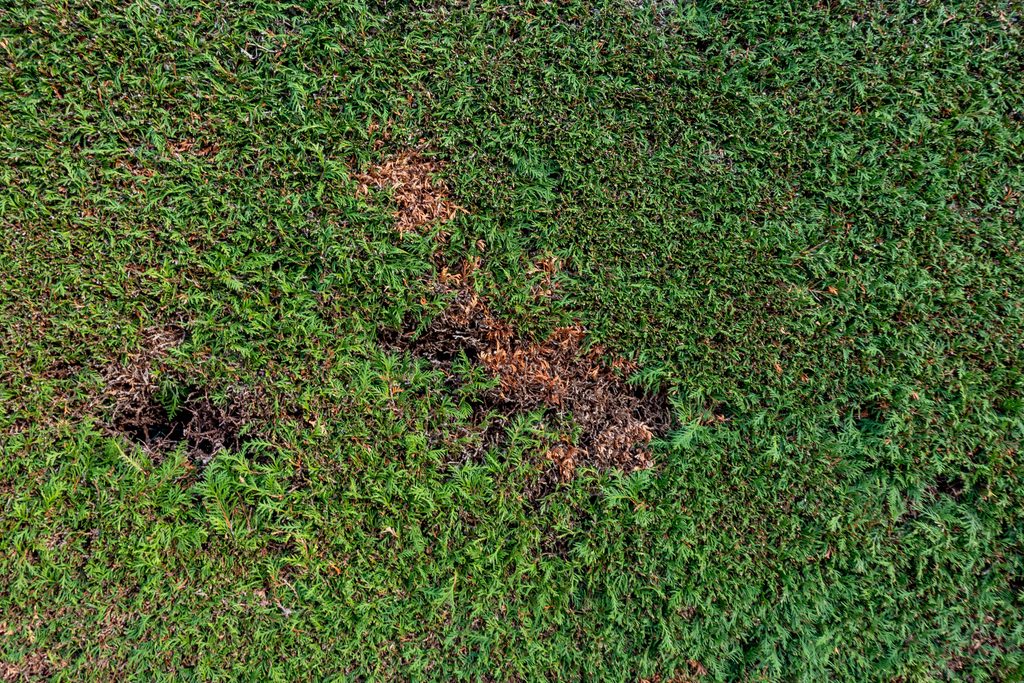
Next, check moisture below the grass rather than judging only by blade color. Cape Coral’s sandy soil often drains quickly, so some areas can dry between rain or watering.
Other spots may stay wet because of low ground, packed soil, or drainage problems. The same sprinkler schedule can be too much for one section and too little for another.
Watch an irrigation cycle when the system is scheduled to run. Look for blocked or misdirected heads, missed strips, and water collecting in one place.
If the dry patch sits just beyond a sprinkler’s reach, increasing the run time for the whole yard may not be the best fix. The coverage itself needs attention.
Also notice where the soil feels unusually hard or where water repeatedly pools. UF/IFAS describes how soil compaction can restrict root growth and slow water movement. Hard ground is a clue to investigate, though dry soil, roots, or rocks can also make probing difficult.
These comparisons help narrow down how to get grass to grow in that particular spot. A brown patch is a reason to look more closely, not an automatic instruction to water more.
When Lawn Diseases or Other Problems May Be to Blame
Sometimes you check the basics and still cannot explain why the grass is thinning. The sprinklers seem to cover the area, there is enough sunlight, and you are mowing at a suitable height. If the lawn keeps declining, disease, insects, or another source of damage may need a closer look.
Florida’s warm, humid weather can favor certain lawn diseases, but different diseases develop under different conditions. Wet weather alone does not prove fungus is present, and brown grass does not automatically mean disease.
The UF/IFAS lawn-disease guide explains that disease can look similar to pest damage, nutrient problems, drought, or mowing injury. More than one problem can also affect the same area.
Warning Signs Worth Checking
Pay attention if you notice:
- Patches that keep expanding: Discolored areas spread into grass that previously looked healthy.
- Unusual spots on grass blades: Individual blades develop markings that look different from the surrounding grass.
- Areas that keep declining: One section gets worse while the rest of the lawn begins improving.
These signs can help you describe the problem, but they do not confirm a particular disease. Look at the surrounding conditions and recent maintenance, too, rather than choosing a treatment from a photo comparison alone.
Match the Treatment to the Cause
Where the damage appears can help you decide what to check next. For example:
- A brown strip along the mower’s route: Check the cutting height and whether uneven ground caused the mower to cut too low.
- A struggling strip between sprinkler coverage areas: Check whether enough water is reaching it.
- An irregular patch with spotted blades: Have it assessed more closely for disease or another cause.
These patterns offer clues, not definite answers. UF/IFAS recommends confirming a suspected disease with your county Extension office before deciding how to treat it.
TruGreen’s disease overview provides more background on symptoms and prevention. Use resources like this to understand the possibilities rather than as a shopping list. A fungicide will not repair grass cut too short, and an insect treatment will not give a shaded lawn more sunlight.
If a product is needed, make sure it is suitable for the identified problem, your grass type, and where you plan to apply it. Always follow the label directions.
Trying several treatments just because the lawn looks unhealthy can add expense and make the problem harder to figure out. Identifying the cause first gives you a better chance of choosing something that will help.
How to Tell When Your Lawn Needs a Closer Look
Get help sooner if the damaged area is spreading, bare patches keep returning, or grass continues declining despite appropriate care. You do not need to wait until a large part of the yard is affected. A clear description of the first changes can be useful when someone assesses the lawn.
Keep a few simple notes:
- Where it started: Beside the driveway, under a tree, near a sprinkler, or along a frequently used path.
- How it changed: Whether the area is spreading, staying the same, or beginning to fill in.
- Recent weather and watering: Heavy rain, a dry stretch, or a change in irrigation settings.
- Recent yard work: Mowing, fertilizing, applying a product, installing sod, or moving equipment through the area.
Take photos from the same spot so you can compare them later. Include a wider view showing where the patch sits in the yard and a closer view of the grass. A photo of one brown blade alone rarely tells the full story.
Our article on why grass grows unevenly and how to address it explains how different conditions across one property can produce different results. This is why lawn care in Florida often works better when you investigate the affected section instead of changing the routine for the entire yard.
Not every thin lawn needs chemical treatment. Depending on the cause, correcting coverage, reducing traffic, or adjusting mowing may be the useful first move. The aim is to identify what is preventing recovery before adding another treatment.
How to Encourage Grass to Grow in Florida
Once you have a reasonable idea of the cause, make changes that address it. A lawn struggling with shade needs a different plan from one with a broken sprinkler head. Start with obvious problems, keep track of what you change, and watch how the grass responds.
Check Watering and Sprinkler Coverage
Before adjusting the timer, check the soil and recent rainfall. Grass that looks dry at midday may still have moisture around its roots. Likewise, a quick shower may wet the blades without giving the soil enough water.
Look at what is happening in each part of the yard:
- The soil is already wet: Extra irrigation is unlikely to help. Check whether unnecessary watering or poor drainage is keeping it soaked.
- One section is consistently missed: Have the sprinkler coverage corrected instead of repeatedly watering the entire lawn more heavily.
- Sunny and shaded areas behave differently: They may need different amounts of supplemental water, even if they share a sprinkler zone.
The goal is to get water where it is needed without keeping other areas unnecessarily wet. Your grass type and the conditions below the surface matter more than how hot the afternoon feels.
Adjust Mowing and Give Worn Areas a Break
Keep the mower blade sharp and use the recommended cutting height for your grass variety. UF/IFAS mowing advice recommends removing no more than one-third of the blade at a time. Cutting struggling grass very short to make everything look even can add stress.
If the lawn barely needs trimming, do not keep cutting it simply because it is your usual mowing day. When one area grows well and another stays thin, investigate the weaker section before lowering the mower across the whole yard.
Give worn areas a chance to recover, too. A few practical changes include:
- Using an existing walkway instead of taking a shortcut across the grass.
- Moving temporary play equipment so the same patch is not always covered or worn down.
- Rotating backyard activities to reduce repeated traffic in one area.
If soil compaction is confirmed, a qualified professional may consider aeration when conditions are suitable. It can help some compacted lawns, but it will not fix every drainage or growth problem.
Use Fertilizer to Address a Real Need
Fertilizer can help when the lawn needs particular nutrients, but it is not a general fix for thin grass. It cannot give a deeply shaded area more sunlight or stop daily foot traffic from wearing down a patch.
UF/IFAS soil testing information explains how testing can guide nutrient decisions. Ask your Extension office which test is appropriate and how to interpret the results. A soil test can provide information about pH and certain nutrients, but it will not diagnose every cause of poor growth.
When asking for help with the results, share:
- Your grass type, if you know it.
- Recent fertilizer applications, including what you used and when.
- Where the problem occurs, especially if nearby grass looks healthy.
Ask whether healthy and struggling areas should be sampled separately. Mixing soil from very different sections can hide the differences you are trying to understand.
If testing points to a nutrient issue, follow a plan suited to your lawn rather than guessing at a product or application rate.
Address the Cause Before Repairing Bare Spots
Before replacing grass, check whether living turf remains that could spread into the damaged area. A small, thin patch may recover once the cause is corrected. A larger dead section may need repair, depending on the grass type and how much healthy turf remains nearby.
UF/IFAS renovation recommendations emphasize finding out why an area failed before replacing it. Plugs or sod may be appropriate for some lawns. A generic bag of grass seed may not match your existing grass or solve the problem that caused the bare spot.
Shade deserves particular attention before you spend money on replacement grass. If the area no longer receives enough light for turf, discuss whether another planting or landscape surface would work better. Replacing the same grass under the same unsuitable conditions can become an expensive cycle.
Watch for Progress and Adjust When Needed
Recovery takes time, and the pace depends on the cause, grass type, weather, and amount of damage. There is no single number of days that guarantees a thin lawn will fill in.
Look for encouraging changes such as:
- Patch edges that stop spreading.
- Healthier new grass blades.
- Grass gradually filling in around the edges of thin areas.
Correct clear problems promptly, but avoid adding several new products at once while you wait. Keep a simple record of what you changed so you can judge whether it is helping.
If the patch keeps spreading or the lawn continues declining, have it reassessed rather than repeating the same approach indefinitely.
Get Help Bringing Healthy Growth Back to Your Cape Coral Lawn
A thin or patchy lawn is not always asking for more water or fertilizer. It may need better coverage, less traffic, a suitable mowing height, more light, or help with a specific lawn problem. Checking the cause gives you a better chance of choosing care that actually helps, rather than repeating the same unsuccessful fix.
Still wondering why your grass is not growing the way it should? Our team here at Cape Coral Lawn Care can help you talk through your concerns and decide on a practical next step for your yard. Contact our team today to discuss your lawn-care needs and get help working toward a healthier Cape Coral lawn.
FAQs
Q: Why is my grass not growing even when I water it?
A: Water is only one part of healthy growth. Shade, packed soil, mowing too short, nutrient problems, pests, or disease may also be involved. Check soil moisture and compare the struggling patch with healthier grass before increasing irrigation.
Q: How can I get grass to grow in bare spots?
A: Identify and address the cause first, whether it is traffic, poor coverage, shade, or another issue. Depending on the grass type and damage, living turf may fill in, or the area may need suitable plugs, sod, or another repair approach.
Q: Why is my lawn growing unevenly in Cape Coral?
A: Sunlight, sprinkler coverage, soil moisture, foot traffic, and mowing can vary across the yard. Compare healthy and struggling sections to see what is different. Localized pests or disease may also contribute.
Q: Can lawn diseases cause grass to stop growing?
A: Yes. Certain diseases can damage grass and leave it thin, discolored, or unable to recover normally. Similar symptoms can come from other causes, so confirm the problem before choosing a treatment.