Have you started noticing brown patches in your yard or grass that seems to thin out overnight, even though you’ve been caring for it properly? You may be dealing with a pest problem.
One of the most frustrating parts of lawn care is watching healthy grass suddenly decline without an obvious explanation. Many Cape Coral homeowners assume the problem is drought, fungus, or poor watering habits when the real culprit is hiding in the grass itself.
The reality is that Florida lawn pests can cause significant damage long before you actually see them. By the time obvious symptoms appear, the infestation may already be well established.
The good news is that most pest problems can be managed successfully if you know what to look for. This guide will help you understand the most common lawn pests in Florida, how to recognize early warning signs, and what steps you can take to protect your lawn before damage becomes severe.
Why Florida Lawns Are So Vulnerable to Pests
Unlike many parts of the country, Florida’s climate allows pest populations to remain active for much longer periods throughout the year.
Warm temperatures, high humidity, and nearly year-round growing conditions create an ideal habitat for pests to survive and reproduce. Unlike colder climates where winter naturally reduces insect populations, Florida lawns rarely get a true break.
Healthy grass is constantly growing, which means there is always a food source available for grass eating insects.
A few factors that make Florida lawns especially vulnerable include:
- Warm temperatures throughout most of the year
- Frequent rainfall and irrigation
- Dense turf that provides shelter for insects
- Fast-growing grass that attracts feeding pests
Another challenge is that healthy-looking green grass can sometimes mask pest activity in its early stages. A lawn may still appear green for a while even as insects feed on roots or grass blades beneath the surface.
Pest problems are also frequently mistaken for lawn disease. In fact, many homeowners initially assume they are dealing with fungus, drought, or nutrient deficiencies.
UF/IFAS provides an excellent overview of common Florida lawn pests and the damage they cause in this article. This is one of the reasons why early detection is so important.
Early Warning Signs Your Lawn May Have Pest Activity
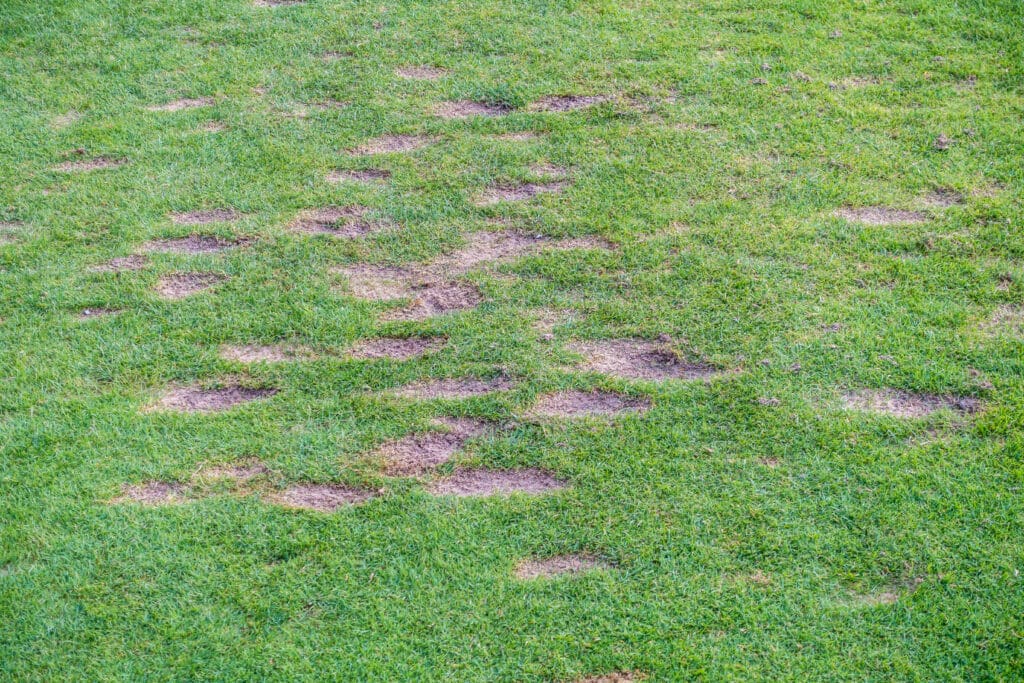
Because lawn pests often remain hidden, infestations usually start subtly, making it important to recognize the early warning signs before widespread damage occurs.
At first, you may notice:
- Small brown or yellow patches
- Areas of thinning grass
- Uneven growth patterns
- Grass that appears stressed despite watering
As damage progresses, symptoms become more obvious.
One common sign is grass that pulls up easily, almost like a loose piece of carpet. This often indicates root damage caused by insects feeding below the surface.
Another clue is increased bird activity. Birds frequently feed on insects hiding in the turf, so areas where birds are constantly pecking may signal a pest problem.
While bird activity alone doesn’t confirm a pest problem, it can be an important clue when combined with thinning or damaged grass.
Some homeowners also notice grass that looks “chewed” or uneven compared to surrounding areas.
Recognizing these lawn stress signs early allows you to address the problem before widespread lawn damage occurs.
Once you’ve identified signs of potential pest activity, the next step is determining which insect may be responsible.
Common Florida Lawn Pests Homeowners Should Know
Several pests appear regularly in Cape Coral lawns.
While their symptoms may look similar at first, each insect causes damage in a slightly different way.
Each pest damages lawns differently, which is why accurate identification is so important.
The most common include:
- Chinch bugs
- Sod webworms
- Armyworms
- Mole crickets
- Grubs
Understanding the differences helps homeowners avoid misdiagnosing the problem.
This matters because applying the wrong treatment can waste time while the infestation continues spreading.
The University of Florida also provides a useful PDF guide covering common lawn insects and identification tips.
Sod Webworms, Chinch Bugs, and Other Grass-Feeding Insects
Some pests are particularly common in Florida lawns and are responsible for a large percentage of visible turf damage.
Understanding how these pests behave can make them easier to identify before significant damage occurs.
Sod Webworms
Sod webworms are small caterpillars that feed on grass blades.
Signs of sod webworm activity include:
- Thinning turf
- Small brown patches
- Grass that appears clipped or chewed
Because they feed primarily at night, homeowners often don’t realize webworms are present until damage becomes obvious.
Proper sod webworm control is most effective when the issue is caught early.
Chinch Bugs
Chinch bugs are especially problematic in St. Augustine lawns.
Rather than chewing grass, they suck moisture and nutrients from the blades. Their feeding causes grass to yellow and eventually die.
Chinch bug damage is especially common during periods of hot, dry weather when lawns are already under stress.
Common symptoms include:
- Expanding dead patches
- Yellowing grass
- Damage that resembles drought stress
Because symptoms often mimic watering issues, homeowners may increase irrigation instead of addressing the actual pest problem.
Effective chinch bug control requires accurate identification and targeted treatment.
Armyworms
Armyworms can cause dramatic damage very quickly.
In severe infestations, homeowners may notice large sections of turf deteriorate within days.
Large populations can strip sections of turf in just a few days, leaving behind visibly damaged grass.
Unlike many other pests, armyworm damage often appears suddenly and spreads rapidly.
If you’re noticing unusual spotting or discoloration and aren’t sure whether pests or disease are responsible, you may also want to read our guide on Lawn Fungus in Florida Lawns: How to Spot It Early and Prevent Damage.
Pest Damage vs Lawn Disease – Why It’s Easy to Confuse Them
One of the biggest challenges homeowners face is determining whether they’re dealing with pests or disease.
The symptoms often overlap.
Both problems can cause:
- Brown patches
- Yellowing grass
- Thinning turf
- Uneven growth
Florida’s climate makes this even more difficult because multiple issues can occur simultaneously.
For example:
- Overwatering may encourage fungus
- Weak grass becomes more vulnerable to insects
- Pest damage creates openings where disease can develop
This is why proper identification is critical.
Treating fungus when pests are actually responsible wastes time and allows the infestation to continue. The reverse is true as well.
Correct diagnosis is one of the most important parts of effective lawn care.
What Happens If Lawn Pests Are Left Untreated
Unfortunately, lawn pests rarely go away on their own.
In fact, most infestations become progressively worse.
As insects continue feeding:
- Root systems weaken
- Grass struggles to recover
- Thin areas expand
- Weeds become more established
Over time, damaged areas become increasingly difficult to restore.
In severe cases, homeowners may need extensive repairs or even lawn replacement. The longer pests remain active, the more expensive recovery becomes.
This is why early intervention is almost always the most affordable solution.
How to Protect Your Lawn from Florida Pests
The best pest control strategy starts long before insects become visible. Prevention is often easier and less expensive than repairing extensive lawn damage.
Healthy lawns are naturally more resistant to pest damage than stressed lawns.
A few preventative practices include:
- Mowing at the proper height
- Watering consistently without overwatering
- Following a balanced fertilization schedule
- Monitoring the lawn regularly for changes
Healthy grass recovers faster and tolerates minor pest pressure much more effectively.
Homeowners should also be cautious about overusing pesticides. The EPA recommends using integrated pest management strategies whenever possible and applying treatments responsibly when needed.
The most effective approach combines monitoring, prevention, and targeted treatment rather than relying solely on chemicals.
When to Call a Professional for Lawn Pest Control
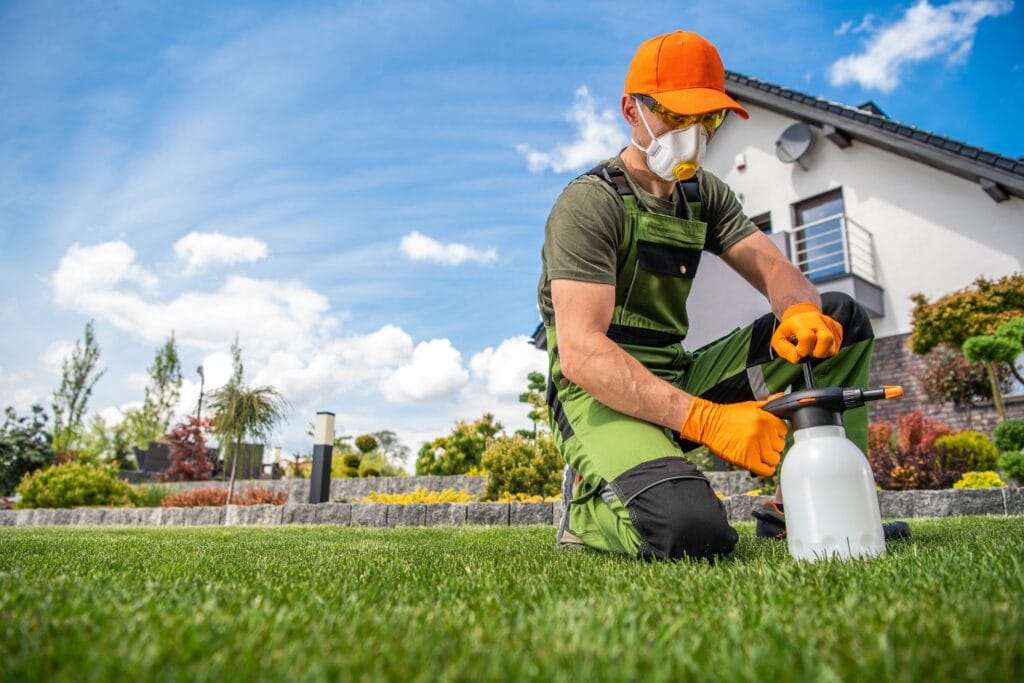
There are times when professional help makes the most sense.
You may want to consider expert assistance if:
- Damage continues spreading despite home treatments
- Pest activity returns repeatedly each year
- Large sections of the lawn are affected
- You’re unsure which pest is causing the problem
Professional lawn care providers can identify the exact insect responsible and recommend the most effective treatment.
They also understand seasonal pest patterns and can often help prevent recurring infestations before they become severe.
For homeowners dealing with ongoing chinch bug control or sod webworm control issues, professional guidance often saves both time and money.
Protecting Your Lawn Starts with Early Detection
Florida lawns face year-round pressure from heat, humidity, moisture, and a variety of damaging insects.
While insects are a common challenge in Cape Coral, they don’t have to ruin your yard. The key is recognizing problems early, understanding what you’re dealing with, and taking action before damage spreads.
Strong lawns start with good maintenance habits, regular monitoring, and quick responses to warning signs.
The sooner you identify pest activity, the easier it is to protect your grass and avoid costly repairs later.
Not sure what’s damaging your yard? Contact Cape Coral Lawn Care today for help designed specifically for your Florida lawn. Let’s get your grass back to being healthy and strong.
FAQs
Q: What are the most common Florida lawn pests?
A: Common pests include chinch bugs, sod webworms, armyworms, mole crickets, and grubs, all of which can cause visible lawn damage.
Q: How do I know if my lawn damage is from pests or fungus?
A: Pest damage often appears uneven and may include thinning or chewed grass. Fungus typically develops in moisture-related patterns and may include circular spots or discoloration.
Q: When is the worst time for lawn pests in Florida?
A: Warm and humid months generally increase pest activity, especially during active growing seasons.
Q: Can healthy lawns still get pests?
A: Yes. However, healthy lawns tend to resist damage better and recover more quickly when infestations occur.