
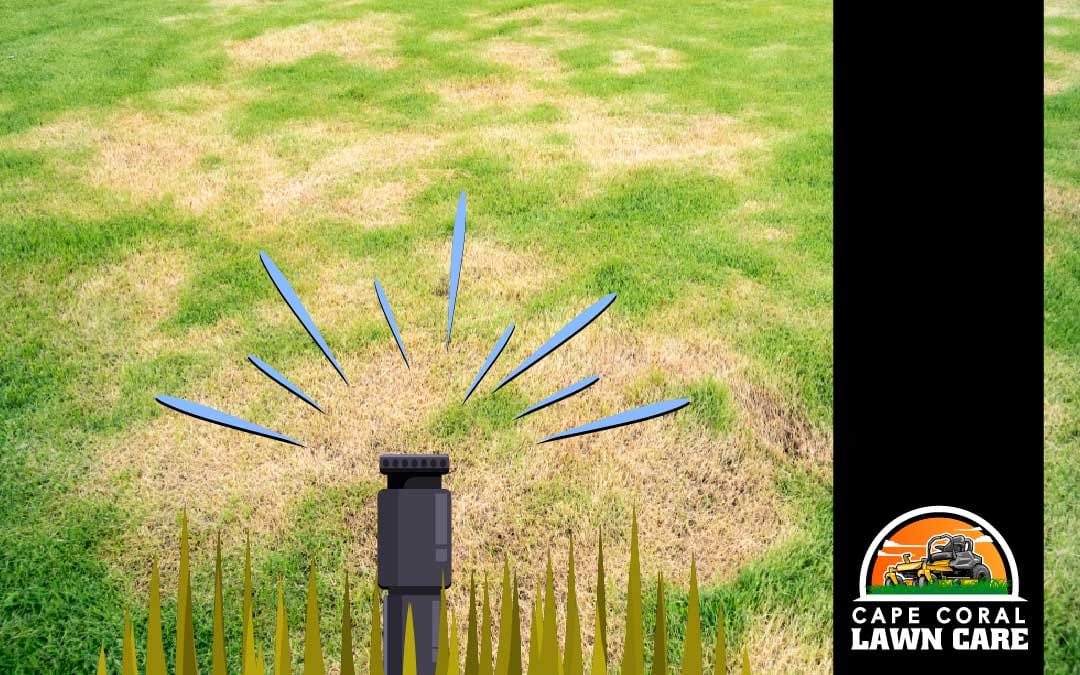
Have you noticed parts of your lawn turning yellow despite your regular watering and lawn care routine?
You mow, you water, you try to keep things looking clean, and then suddenly your lawn starts showing yellow spots, pale patches, or areas that just don’t look as healthy as the rest of the yard.
The tricky thing is that yellow grass is usually not the real problem. It’s a symptom. Something underneath the surface– or sometimes something hiding in plain sight– is causing your grass to lose color.
For Cape Coral homeowners like us, yellowing grass can happen for several reasons. Watering issues, nutrient imbalances, root stress, pests, and turfgrass diseases can all play a role. And because Florida’s heat, sandy soil, and rainfall patterns can make lawn issues show up quickly, it’s important to identify the cause before choosing a treatment.
In this guide, we’ll walk through the most common reasons grass turns yellow in Cape Coral lawns, what warning signs to look for, and what you can do to help prevent discoloration before it spreads.
Common Reasons Grass Turns Yellow in Cape Coral
Yellow grass often seems to appear overnight, but in most cases, the lawn has been under stress for a while before the color changes.
In Cape Coral, some of the most common causes include:
- Too much or too little water
- Poor soil nutrition
- Weak or shallow roots
- Pest damage
- Lawn disease
- Heat stress
- Drainage problems
In many cases, more than one of these factors may be contributing to the problem at the same time.
The challenge is that several of these issues can look very similar at first. A lawn that is underwatered may turn yellow. A lawn that is overwatered may also turn yellow. Pest damage can look like disease, and disease can sometimes look like fertilizer problems.
That’s why it’s important not to guess too quickly.
Florida’s sandy soil drains fast, which means nutrients and moisture do not always stay near the root zone long enough for grass to use them. At the same time, heavy rain or overwatering can leave certain areas too wet, which may encourage fungal issues or root stress.
Think of yellow grass as an early warning sign that your lawn is under stress. The key is figuring out what.
Signs That Can Help Identify the Cause
Different lawn problems often create different patterns of yellowing. Paying attention to where and how the discoloration appears can help you narrow down what may be happening.
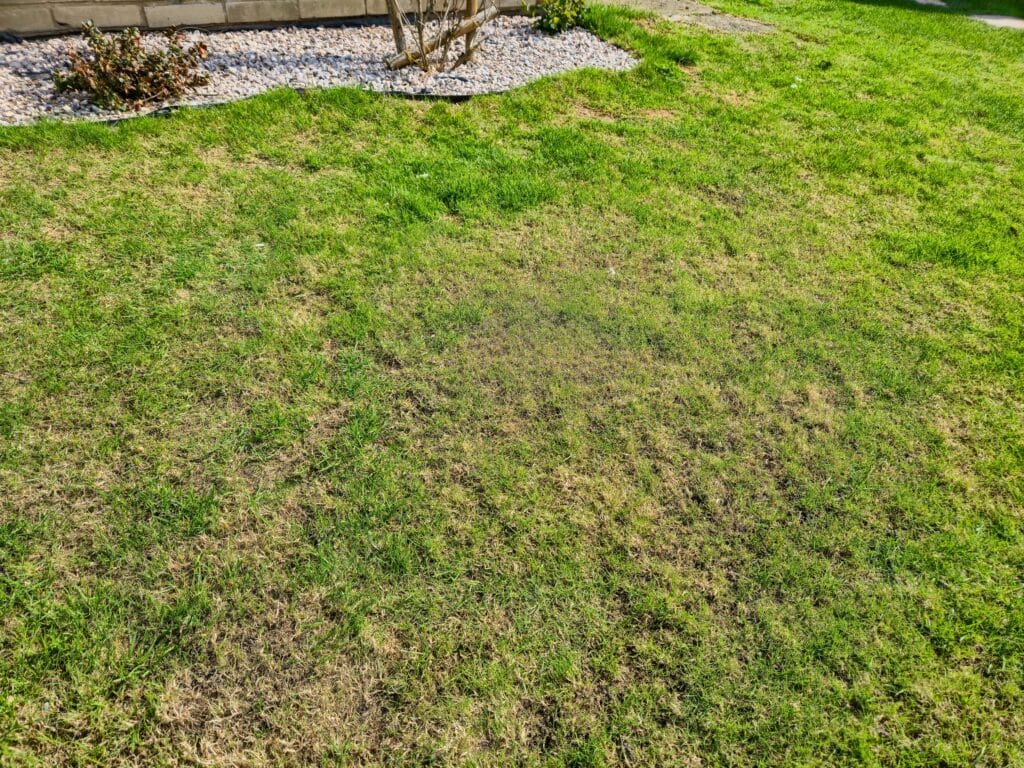
For example, yellow patches in lawn areas may appear as small isolated spots, larger irregular sections, or spreading patterns across the grass. Each pattern can point to a different issue.
Here are a few clues to look for:
- Yellowing near sprinkler heads may suggest overwatering or uneven irrigation.
- Yellowing in full-sun areas may point to heat stress, drought stress, or pests.
- Yellowing in low, damp areas may signal fungus, poor drainage, or root issues.
- Yellowing with thinning grass may suggest weak roots or pest activity.
- Yellow streaks on individual grass blades may suggest certain turfgrass diseases or viruses.
This is where the diagnostic process begins. You don’t need to be a lawn scientist, but you do want to notice the pattern.
Is the grass yellowing in circles? Is it spreading outward? Are the blades streaked? Does the soil feel soggy? Does the grass pull up too easily?
Those details matter.
If the lawn is yellowing evenly across the entire yard, the issue may be related to nutrition, watering, or general stress. If only certain patches are affected, pests, disease, drainage, or localized root problems may be more likely.
While watering and nutrient issues are common, disease should never be overlooked in Florida lawns.
Lawn Diseases and Other Health Issues That May Cause Yellow Grass
Several turfgrass diseases can cause grass to lose color, thin out, or develop yellow patches. Florida’s warm, humid climate creates ideal conditions for many lawn diseases, especially when grass stays wet too long. Extended periods of afternoon rain and high humidity can accelerate fungal development.
Excess moisture, poor airflow, compacted soil, and stressed turf can all increase disease pressure. When grass is already weakened, it becomes much easier for fungal or viral problems to show up.
Common disease-related symptoms may include:
- Yellow or brown patches
- Circular or irregular discoloration
- Thinning turf
- Blades with spots or streaks
- Areas that spread after rainy or humid weather
One issue homeowners may hear about is sugarcane mosaic virus. This plant virus can affect certain turfgrass varieties and may cause yellow striping, mosaic-like patterns, or unusual discoloration in the grass blades. UF/IFAS has more information on sugarcane mosaic virus in Florida turfgrass if you want to learn more about what those symptoms may look like.
That said, not every yellow lawn is suffering from disease. Yellow grass can also come from poor watering habits, nutrient deficiencies, pest damage, or root stress.
That’s why proper diagnosis is so important. Treating a watering problem like a disease– or treating a disease like a fertilizer issue– can waste time and allow the problem to get worse.
Why Healthy Roots Matter for Lawn Color
Healthy lawn color starts below the surface.
Grass roots are responsible for taking in water and nutrients. When roots are strong and deep, the lawn is better able to stay green, recover from stress, and handle Florida’s heat. When roots are weak, shallow, or damaged, the grass may struggle even if you are watering and fertilizing regularly.
This is one reason a lawn turning yellow is often tied to root health.
Root systems can become stressed by:
- Excessive foot traffic
- Overwatering
- Underwatering
- Compacted soil
- Poor drainage
- Pest damage
- Disease
- Improper fertilization
- Cutting grass too short
Shallow roots are especially vulnerable during hot weather. If roots only sit near the soil surface, they dry out faster and have less access to deeper moisture. That can lead to yellowing, thinning, and weak growth.
This is also why proper Cape Coral lawn maintenance matters. Consistent mowing, correct watering, and balanced fertilization all help support a healthier root system over time.
Want to learn more about what keeps your lawn healthy from the ground up? Check out our guide on why healthy grass roots matter.
Simple Ways to Help Prevent Yellow Grass
Preventing yellow grass starts with consistent, balanced lawn care. You don’t need to overcomplicate it, but you do need to pay attention to the basics.
The first step is watering correctly.
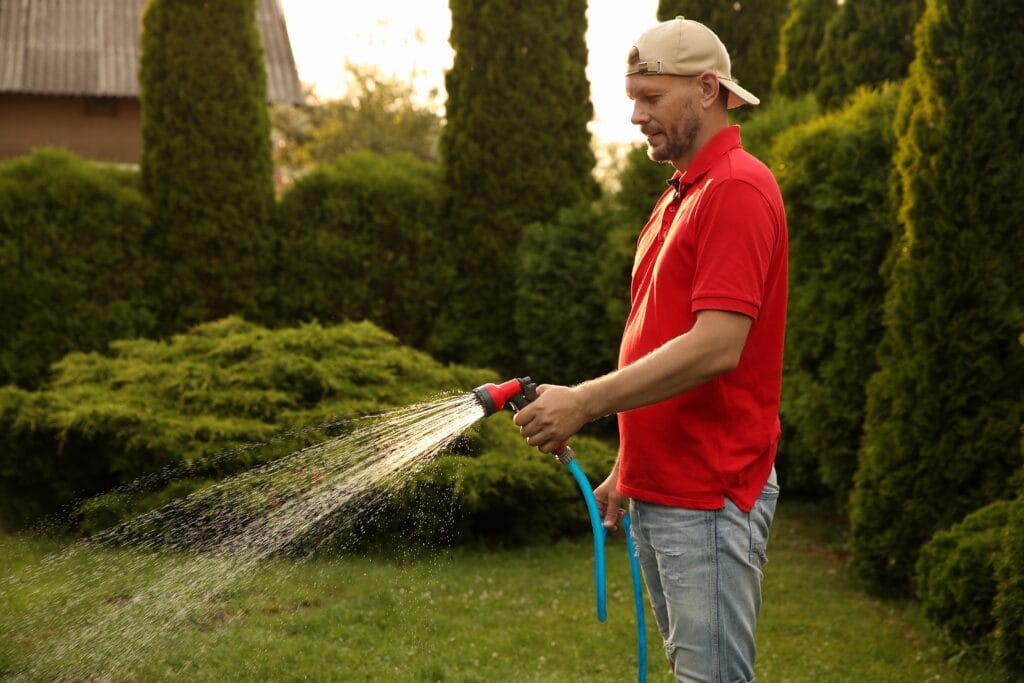
Watering is one of the most common causes of lawn discoloration because both overwatering and underwatering can produce similar symptoms.
Too little water can dry out the lawn and cause yellow or brown patches. Too much water can create shallow roots, invite fungus, and reduce oxygen in the soil. Either extreme can cause discoloration.
UF/IFAS offers helpful guidance on watering your Florida lawn, including why watering practices should support healthy root growth rather than just wetting the surface.
A few watering tips to keep in mind:
- Water deeply rather than lightly.
- Avoid watering every day unless new sod or special conditions require it.
- Watch for soggy soil, mushrooms, or fungus as signs of too much moisture.
- Adjust irrigation after heavy rainfall.
- Water early in the morning when possible.
Water isn’t the only factor affecting lawn color. Fertilization is another important piece of prevention. If your lawn does not receive the nutrients it needs, grass may become pale, thin, or yellow. But more fertilizer is not always better.
Applying too much fertilizer or using the wrong blend can stress grass and create uneven growth. UF/IFAS provides recommendations for fertilizing turfgrasses on Florida soils, which is helpful because Florida soil conditions can affect how nutrients move and how grass uses them.
Good prevention also includes regular monitoring.
Walk your lawn every week or two and look for changes. Check for thinning areas, yellow spots, soggy sections, or grass that seems to be declining despite normal care.
Small issues are usually easier to correct than large patches of damaged grass.
Pest Damage Can Also Cause Yellow Grass
Sometimes yellow grass is not about watering or disease at all.
In Cape Coral lawns, pests can damage grass in ways that look like drought stress or nutrient problems. One of the most common examples is chinch bug damage, especially in St. Augustine grass.
Southern chinch bugs feed on grass and can cause yellowing, browning, and dead patches that spread over time. UF/IFAS explains that southern chinch bug damage often appears as discolored patches, especially in sunny or water-stressed areas of St. Augustinegrass.
This is important because many homeowners respond to yellow patches by watering more. But if pests are the real issue, extra water will not solve the problem.
Signs that pests may be involved include:
- Yellow or brown patches that keep expanding
- Grass that does not improve after watering
- Damage that appears in sunny, stressed areas
- Grass that feels weak or loose
- Increased insect activity near damaged areas
Pest damage and disease can look similar, so it helps to avoid guessing. If yellow patches continue spreading, it may be time to have the lawn inspected.
While many cases of yellow grass can be corrected with simple adjustments, some situations require a more in-depth evaluation.
When Yellow Patches Need More Than Basic Lawn Care
Some yellow spots improve with simple adjustments. Maybe your sprinkler coverage was uneven. Maybe the grass needed a better fertilization routine. Maybe a shady area was staying too wet.
But other yellow areas need more attention.
If yellow patches in lawn areas continue spreading, return repeatedly, or turn into dead spots, the underlying cause may be more serious. Severe thinning, recurring discoloration, and areas that do not recover with routine maintenance often require a closer look.
This is especially true if you notice:
- Large spreading patches
- Grass dying in irregular patterns
- Yellowing paired with visible blade damage
- Areas that feel soggy or smell musty
- Bare spots that keep returning
- Grass that pulls up easily
At that point, the issue may involve pests, turfgrass disease, root damage, or soil problems. Correctly identifying the source of damage early can help prevent a larger repair project later.
If your lawn has already developed damaged or dead areas, you may also want to read our guide on grass patch repair for Cape Coral lawns.
The sooner you know what you’re dealing with, the easier it is to bring the lawn back.
Building a Prevention Routine for a Greener Lawn
The best way to prevent yellow grass is to build a routine that keeps your lawn strong before problems appear.
A simple prevention routine includes:
- Mowing at the proper height
- Watering correctly
- Fertilizing based on grass needs
- Monitoring for pests and disease
- Fixing drainage issues early
- Avoiding unnecessary stress during extreme heat
Small, consistent maintenance habits often prevent the need for larger and more expensive lawn repairs later.
You don’t need to inspect every blade of grass, but you do want to notice changes early enough to respond before they spread.
Healthy grass is naturally more resilient. It handles heat better, recovers faster from stress, and is less likely to be overtaken by pests or disease.
That’s the real goal: not just making the lawn look green today, but helping it stay healthy over time.
Not Sure Why Your Lawn Is Turning Yellow?
Yellow grass can happen for many reasons. Sometimes it’s a simple watering issue. Other times, it may be tied to root stress, pests, turfgrass diseases, nutrient problems, or environmental conditions.
The most important thing is to identify the cause before the problem spreads.
A small yellow patch today can become a much bigger lawn issue if the cause is not corrected. By watching for patterns, checking for additional symptoms, and responding early, Cape Coral homeowners can prevent minor discoloration from turning into serious damage.
Not sure why your lawn is turning yellow?
Contact our team here at Cape Coral Lawn Care today for professional lawn evaluations and customized solutions to help restore a healthier, greener lawn.
FAQs
Q: Why is my grass turning yellow even though I water it?
A: Yellow grass can be caused by several issues, including nutrient deficiencies, root stress, pests, turfgrass diseases, or watering problems. If watering does not help, the issue may be deeper than moisture alone.
Q: Can lawn diseases cause yellow patches in grass?
A: Yes. Certain turfgrass diseases can cause discoloration, thinning, and yellow patches throughout a lawn, especially in warm and humid conditions.
Q: What is sugarcane mosaic virus?
A: Sugarcane mosaic virus is a plant virus that can cause yellow striping and unusual discoloration in some turfgrass varieties.
Q: Will yellow grass turn green again?
A: It depends on the cause. Grass may recover if the underlying issue is identified and corrected before significant damage occurs.