
Living in a neighborhood or community with a Homeowner’s Association (or as we all know it, an HOA) can make lawn care feel like there’s a lot more to keep track of than simply mowing the grass.
You’re not only trying to keep your Cape Coral yard healthy in Florida’s heat, rain, and fast-growing climate (which is tough enough as it is). You may also have community standards covering how the lawn looks, where landscaping can be installed, how weeds and overgrowth are handled, and whether certain changes need approval before you make them.
That can sound like a lot, but HOA lawn care doesn’t have to make maintaining your yard complicated.
Most homeowners can stay ahead of problems by understanding their own community documents, keeping up with basic lawn and landscape maintenance, and asking questions before making larger changes.
The important thing to remember is that HOA requirements are not identical from one neighborhood to another, so advice that applies to a friend’s neighborhood may not apply to yours.
In this guide, we’ll walk through some of the lawn and landscaping issues HOAs commonly address, how to keep your Cape Coral yard looking well maintained, what to do if you receive a notice, and when bringing in professional help can make the whole process easier.
What Do HOA Lawn Care Rules Actually Address?
When people think about HOA lawn rules, grass height is usually the first thing that comes to mind.
That’s certainly one possibility, but lawn and landscape requirements can go much further than mowing.
Depending on the community, HOA standards may address things like:
- Overgrown grass
- Weed growth
- Lawn discoloration or bare areas
- Edging along sidewalks and driveways
- Grass growing into landscape beds
- Overgrown shrubs
- Dead or damaged plants
- Mulch condition
- Landscape bed appearance
- Tree maintenance
- Debris in the yard
- Overall front-yard appearance
- Changes to existing landscaping
- Installation of new plants, trees, hardscaping, or groundcover
Some communities focus mainly on keeping properties clean and reasonably maintained, while others have detailed architectural or landscaping standards designed to create a uniform look throughout the neighborhood.
That’s why the safest place to start is always your own HOA documents.
Read the landscaping standards, architectural guidelines, covenants, and any maintenance policies your association provides. If there is an architectural review committee or similar approval process, pay attention to which landscaping projects require an application before work begins.
A general guide to HOA rules in Florida can help homeowners understand some of the broader topics associations may regulate, but your own governing documents are what matter most for the specific standards in your neighborhood.
In other words, don’t assume every set of Florida HOA rules works the same way.
One Cape Coral community may be concerned primarily with weeds and mowing. Another may have specific rules about tree species, mulch colors, borders, lawn replacement, or how much of the front yard must remain landscaped.
Knowing the rules ahead of time can save you from doing work twice.
Check the Rules Before Changing Your Landscape
Routine maintenance and major landscaping changes are not always treated the same way.
Mowing your lawn or pulling a few weeds probably isn’t the same kind of decision as removing a large section of turf, installing a new tree, changing the type of groundcover, replacing mulch with rock, or redesigning the front landscape.
Before making a significant change, check whether your HOA requires approval.
That may apply to projects such as:
- Removing existing grass
- Replacing turf with another groundcover
- Adding or removing trees
- Installing large shrubs
- Changing landscape bed boundaries
- Changing mulch or decorative rock
- Adding borders or hardscape
- Installing a new irrigation feature
- Redesigning a visible front-yard area
This is also where Florida-Friendly Landscaping can create some confusion.
Florida law provides protection for certain Florida-Friendly Landscaping practices and generally prevents HOA documents from being enforced in a way that prohibits a property owner from implementing Florida-Friendly Landscaping. However, that does not necessarily mean a homeowner should skip an existing architectural-review process.
The Florida Bar offers a detailed discussion of this issue in its article on the application of the Florida-Friendly Landscaping statute to homeowner disputes. One of the practical takeaways is that Florida-Friendly Landscaping protections and HOA approval procedures can exist at the same time.
That distinction is important for homeowners to understand.
You may have the right to use Florida-Friendly Landscaping practices while still being expected to submit a landscaping plan through your community’s normal review process.
For homeowners, the easiest approach is usually simple: ask before you start.
If you’re planning to remove grass, install drought-tolerant plants, change the layout of a landscape bed, or make another noticeable alteration, contact the HOA and ask whether approval is required.
Get the answer in writing when possible, and keep a copy of your application and approval.
That small amount of preparation can prevent a much larger disagreement later.
And because HOA disputes can involve legal questions, homeowners dealing with a serious disagreement about their rights or governing documents should consider speaking with a qualified Florida attorney rather than relying solely on general lawn-care information.
Keeping Your Lawn Looking HOA-Ready
The easiest HOA lawn problem to solve is often the one that never becomes a problem in the first place.
Regular lawn maintenance helps keep your property looking clean enough that small issues don’t have time to turn into noticeable violations.
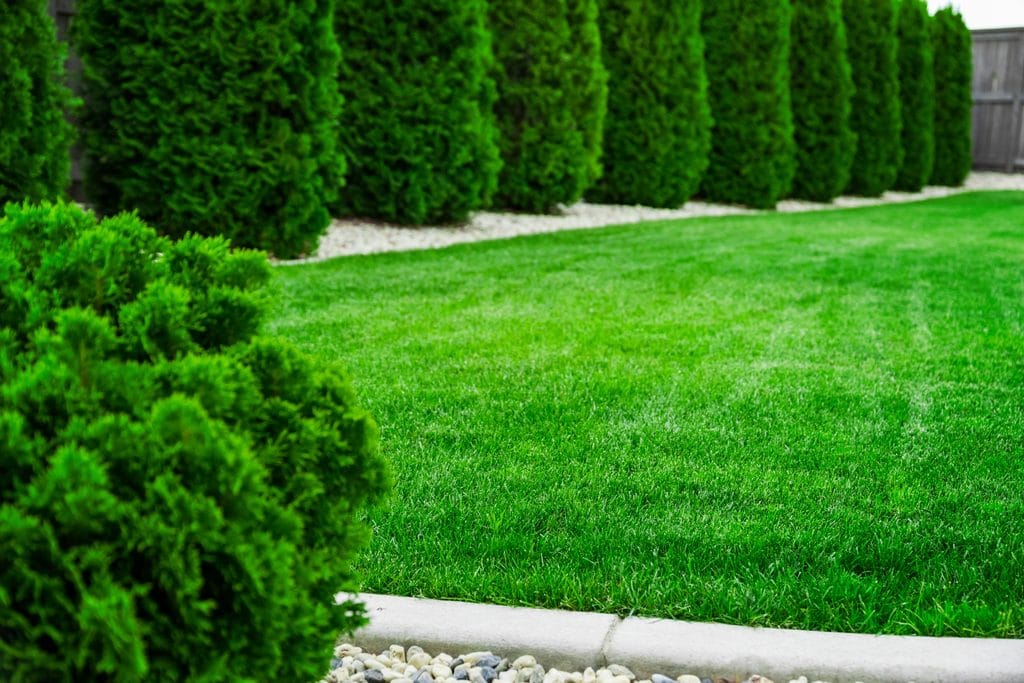
In Cape Coral, that can be especially important because grass, weeds, shrubs, and landscape plants can grow quickly when conditions are right.
A few rainy weeks can make grass, weeds, and other landscaping grow much faster than homeowners expect.
A simple HOA-ready maintenance routine might include:
- Mowing consistently
- Keeping grass at the appropriate height
- Trimming along fences and structures
- Edging sidewalks and driveways
- Removing weeds before they spread
- Keeping landscape beds reasonably tidy
- Pruning obviously overgrown plants
- Removing fallen branches and debris
- Refreshing mulch when it becomes thin or scattered
- Watching for bare or damaged lawn areas
- Checking irrigation for obvious problems
None of these tasks is particularly complicated on its own.
The challenge is consistency.
Skipping one mowing during peak growth might not matter much. Skipping several can quickly produce a lawn that looks noticeably different from neighboring properties.
The same is true for weeds.
A handful of weeds may be easy to remove. Give them several weeks to spread, and suddenly the problem requires much more time and effort.
Good property maintenance is usually less about dramatic cleanup projects and more about preventing the yard from reaching the point where a dramatic cleanup becomes necessary.
Clean Edges Make a Bigger Difference Than You Might Think
If you want one relatively simple improvement that can make a lawn look more maintained, pay attention to the edges.
Grass creeping onto sidewalks, driveways, or landscape beds makes an otherwise healthy lawn look unfinished.
Clean edging creates clear boundaries between lawn areas and the rest of the landscape.
That can make:
- Sidewalks look cleaner
- Driveways appear more defined
- Landscape beds stand out
- Mulch stays visually separated from grass
- The entire front yard look more intentional
It also makes future maintenance easier because grass is less likely to creep continuously into beds and borders.
If your lawn is healthy but still looks a little messy, our guide on lawn edging and mulching for a cleaner, more polished Florida landscape has practical ideas for creating more defined borders without redesigning the entire yard.
For HOA communities where curb appeal matters, those small details can make a surprisingly big difference.
Landscape Beds Need Maintenance Too
Another common mistake is focusing entirely on the grass.
A freshly mowed lawn can still look neglected if the landscape beds are full of weeds, the shrubs are overgrown, or half the mulch has washed onto the sidewalk.
Basic bed maintenance includes:
- Pulling visible weeds
- Trimming plants that are crowding sidewalks
- Removing dead plant material
- Keeping mulch contained
- Replacing obviously dead plants when appropriate
- Preventing grass from invading the bed
- Checking whether shrubs are blocking windows, signs, or walkways
This doesn’t mean everything has to look perfectly manicured every day.
The goal is simply to keep the landscape from looking neglected.
That distinction can save homeowners a lot of unnecessary stress.
Instead of waiting for the yard to become a weekend-long project, spend a little time maintaining the most visible areas regularly.
Don’t Forget About Watering Requirements
Keeping an HOA-ready lawn is not only about appearance.
Your grass still needs to be maintained in a way that makes sense for Cape Coral’s climate and current local irrigation requirements.
That can create a balancing act.
You want the lawn to stay healthy enough to meet community expectations, but that does not mean simply running the irrigation system whenever the grass looks slightly dry.
Cape Coral homeowners need to pay attention to the watering rules that currently apply to their property.
Those rules can be affected by local water conditions and temporary restrictions, so it is important to check current information rather than relying forever on one sprinkler setting.
Check out our guide to the Cape Coral watering schedule to learn more about local watering days and requirements.
Rainfall matters too.
If your lawn has already received plenty of water from a storm, running the sprinklers simply because it is your scheduled watering time may not be necessary.
That extra water can contribute to:
- Fungal problems
- Weak root development
- Standing water
- Nutrient loss
- Increased weeds
- Unnecessary water use
Good Florida lawn care means following the applicable rules while also paying attention to what the grass actually needs.
A watering schedule tells you when irrigation may be permitted. Your lawn’s condition tells you whether additional water is actually needed.
HOA Rules and Watering Restrictions Aren’t the Same Thing
This is an important distinction for homeowners.
Your HOA may have expectations about maintaining a healthy-looking landscape, but those expectations do not replace government watering restrictions or water-shortage rules.
If a local restriction limits irrigation, homeowners should not assume an HOA appearance standard gives them permission to ignore it.
This can be especially important during drought conditions.
Florida law places significant emphasis on water conservation and Florida-Friendly Landscaping, and HOA governing documents cannot create requirements that conflict with certain state water-management rules.
The practical takeaway is straightforward: keep your HOA informed if watering restrictions are affecting the appearance of your lawn, and keep records of current local restrictions if a dispute develops.
Most importantly, don’t violate a current watering restriction simply because you’re worried the grass may temporarily look less green.
What to Do If Your Lawn Gets an HOA Notice
Getting an HOA notice can feel intimidating, but it does not necessarily mean you have a major landscaping problem.
Sometimes the issue is very simple.
The notice may point to:
- Overgrown grass
- Visible weeds
- Grass growing across a sidewalk
- An untidy landscape bed
- Dead plant material
- A bare lawn area
- Overgrown shrubs
- Debris that needs to be removed
Start by reading the notice carefully.
Don’t just glance at the heading and assume you know what the problem is.
Look for:
- The specific issue being identified
- The section of the governing documents being referenced, if provided
- The deadline for correcting the problem
- Whether photos or other evidence were included
- Instructions for contacting the HOA
- Any hearing, appeal, or review information provided
Then inspect the area yourself.
Sometimes what looked minor from your perspective is more noticeable from the sidewalk or street.
Other times, the notice may be unclear.
If you genuinely cannot tell what you’re being asked to correct, contact the HOA and ask for clarification before spending money or changing the landscape.
A simple question like, “Can you show me exactly which area needs attention?” can prevent a lot of unnecessary work.
Fix the Smallest Problem First
Once you understand the issue, start with the simplest correction that addresses what the HOA actually identified.
- If the problem is overgrown grass, mow it.
- If weeds are visible, remove them.
- If an edge has become messy, clean it up.
- If the landscape bed needs attention, tidy it.
You do not necessarily need to overhaul the entire property because one area received a notice.
This is especially important if the requested correction involves a bigger change, such as replacing sod or removing plants.
For significant work, check your HOA documents and consider asking the association to confirm exactly what is required before beginning.
You want to solve the actual issue, not create a second one.
Pay Attention to the Deadline
HOA notices usually include a timeframe for correction or response.
Do not set the letter aside and forget about it.
Even if you disagree with the notice, ignoring it rarely makes the problem easier.
If you need more time because the work requires a contractor, special materials, or approval, contact the HOA before the deadline and explain the situation.
Clear communication can often make the process much less stressful.
Keep copies of:
- The notice
- Your response
- Any approval
- Photos before and after the correction
- Contractor invoices if relevant
- Emails with the management company or HOA
You may never need those records, but they are useful if questions come up later.
Avoid Turning a Maintenance Notice Into a Landscaping Dispute
Sometimes homeowners receive a simple maintenance notice and immediately assume the HOA is demanding a complete landscape renovation.
Slow down and confirm what is actually being requested.
There is a big difference between:
“Remove weeds from the front bed”
and
“Replace your entire lawn.”
If the association is requesting a substantial landscaping change, especially one that may affect Florida-Friendly Landscaping practices, water use, or your rights under Florida law, it may be worth asking for the requirement in writing and reviewing the applicable governing documents carefully.
Again, general articles like this one are useful for understanding the topic, but serious HOA disputes may require legal advice specific to your property and community.
When It Makes Sense to Hire a Lawn Care Professional
You do not have to manage every HOA lawn requirement yourself.
For some homeowners, keeping up with mowing, edging, weeds, trimming, and general yard cleanup is perfectly manageable.
For others, it becomes one more task competing with work, family, travel, and everything else that needs attention.
Professional lawn maintenance may make sense if:
- You frequently fall behind on mowing
- Your yard grows faster than you can maintain it
- You travel often
- You own the property seasonally
- You do not have the right equipment
- Weeds keep becoming a recurring issue
- The lawn needs more consistent attention
- You have already received HOA notices
- You simply do not want to spend your weekends maintaining the yard
The benefit of regular service is more than simply keeping the grass cut.
Consistent maintenance helps prevent small issues from becoming noticeable enough to trigger complaints.
For example, it is easier to maintain clean edges regularly than to reclaim a sidewalk after grass has grown several inches across it.
It is easier to control weeds when there are a few of them than after they have spread across a landscape bed.
And it is easier to trim a shrub periodically than to reshape it after months of unchecked growth.
That is where a regular property maintenance schedule can make HOA living much easier.
Create a Simple HOA Lawn Care Routine
If you prefer to handle the yard yourself, build a routine rather than waiting for something to look bad.
A simple schedule might look like this:
Every Week or Two
Depending on growth and season:
- Mow as needed
- Edge visible borders
- Check for weeds
- Remove obvious debris
- Look for overgrown shrubs
- Walk the front of the property from the street and see what stands out
Every Month
- Inspect landscape beds
- Check mulch coverage
- Look for bare grass areas
- Check irrigation coverage
- Trim plants that are crowding walkways
- Look for pest or disease problems
Seasonally
- Adjust irrigation
- Review fertilizer needs
- Refresh mulch if needed
- Complete larger pruning
- Address lawn damage
- Review upcoming landscaping projects
This kind of routine keeps HOA lawn care manageable because you are spreading the work out instead of reacting to everything at once.
Staying HOA-Ready Doesn’t Mean Your Lawn Has to Be Perfect
This is worth remembering.
The goal is not to spend every free hour trying to create a yard that looks like a golf course.
Most homeowners simply want a property that is healthy, tidy, and reasonably consistent with their community’s standards.
That comes down to a few basics:
- Know your HOA rules
- Maintain the lawn consistently
- Keep weeds and overgrowth under control
- Follow current watering requirements
- Maintain visible landscape beds
- Ask before making major changes
- Respond promptly if you receive a notice
Small problems are usually easier to handle than large ones.
And when you stay ahead of routine maintenance, you are much less likely to find yourself scrambling because a letter arrived in the mailbox.
Want to Keep Your Lawn HOA-Ready Without the Hassle?
Keeping an HOA property looking good usually comes down to consistency. Regular mowing, clean edges, manageable weeds, healthy landscape beds, and attention to local watering requirements can prevent many common issues before they ever turn into a notice.
And you do not have to keep up with all of it alone.
Want to keep your lawn looking HOA-ready without the hassle? Our team here at Cape Coral Lawn Care can help with the regular lawn maintenance your property needs so small issues do not have time to become bigger ones.
Contact us today to get started, and let’s make keeping your Cape Coral yard clean, healthy, and HOA-ready a whole lot easier.
FAQs About HOA Lawn Care in Florida
Q: What does HOA lawn care usually include?
A: HOA lawn care requirements can include mowing, edging, weed control, trimming, landscape bed maintenance, debris removal, and keeping the overall property neat. The exact standards depend on your community, so check your governing documents rather than assuming every Florida HOA has the same rules.
Q: Can my HOA tell me what I can plant?
A: HOAs may have landscaping standards and architectural-review processes that affect plant selection and landscape changes. Florida law also protects certain Florida-Friendly Landscaping practices, so the relationship between HOA rules and homeowner rights can be more nuanced than a simple yes or no. Check your community’s current documents before making changes, and seek qualified legal advice if a serious dispute develops.
Q: Do HOA rules replace Florida watering requirements?
A: No. Homeowners still need to follow applicable local watering requirements and water-shortage restrictions even when their HOA has additional landscaping expectations. Current Cape Coral irrigation rules can change when water restrictions are in effect, so check the latest local guidance.
Q: How can I avoid HOA lawn violations?
A: Keep up with regular mowing, edging, weed control, landscape beds, debris removal, and appropriate watering. It also helps to review your HOA documents and ask for approval before making larger landscaping changes when required.