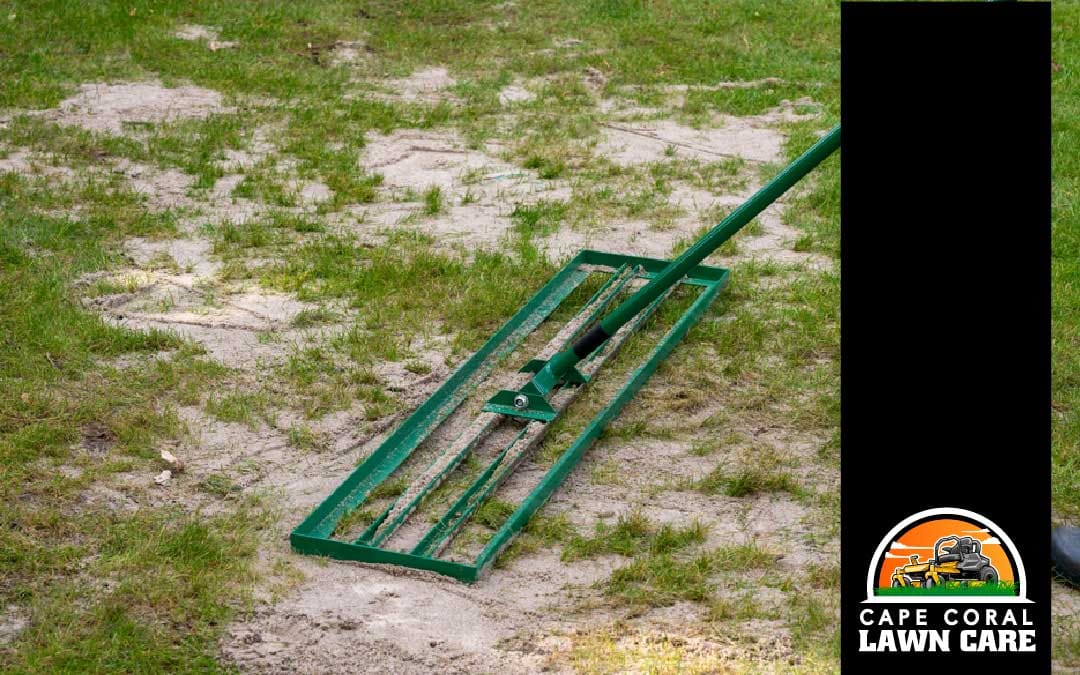
As a Cape Coral homeowner, you may notice your lawn feels hard under your feet. Water may pool after a rainstorm, or certain areas may refuse to grow healthy grass despite your best efforts. So what gives?
If that sounds familiar, the problem may not be your grass at all– it may be your soil.
Soil compaction is one of the most common hidden lawn problems in Florida. It often develops slowly over time and can make an otherwise healthy lawn struggle to absorb water, nutrients, and oxygen.
Many homeowners don’t realize soil compaction is the problem until they notice patchy grass, drainage issues, or thinning turf.
The good news is that soil compaction can be fixed. In this guide, we’ll explain what causes compaction, how to recognize it, and the best ways to restore healthier soil and stronger grass in your Cape Coral lawn.
In Southwest Florida, frequent rainfall, year-round lawn use, and seasonal weather extremes can all contribute to soil becoming compacted over time.
What Soil Compaction Actually Means (and Why It Happens in Cape Coral)
Soil compaction occurs when soil particles become pressed tightly together, reducing the air pockets that normally allow water, oxygen, and nutrients to move through the ground.
Healthy soil contains tiny air pockets between soil particles. These spaces help roots expand, allow water to soak in, and support beneficial soil organisms.
When soil becomes compacted:
- Water struggles to penetrate the surface
- Oxygen movement is reduced
- Roots have difficulty expanding
- Nutrients become harder to access
Florida lawns are particularly susceptible because of their environment. While Cape Coral’s sandy soil generally drains well, it can still become compacted from repeated pressure, heavy rainfall, and years of use.
UF/IFAS explains that soil compaction is one of the most common urban landscape issues and often develops gradually through normal activity.
A lawn can appear healthy above ground while struggling below the surface.
Common Signs Your Lawn Has Compacted Soil
Many homeowners unknowingly live with compacted soil for years because the warning signs can be subtle at first.
Some of the most common indicators include:
- Water pooling on the surface after rain
- Grass thinning despite regular watering
- Grass develops shallow roots and pulls up easily
- Brown or weak patches that don’t respond to fertilizer
- Bare spots appearing in high-traffic areas
- Uneven growth patterns across the lawn
A simple homeowner test is to push a screwdriver or similar tool into the ground. If it’s difficult to penetrate the soil, compaction may be present.
Try the test when the soil is slightly moist. Dry soil can naturally feel harder, making results less accurate.
Compacted lawns often develop areas where grass struggles despite receiving the same care as healthier sections of the yard.
This is one reason many homeowners begin researching compacted soil treatment after noticing recurring problem spots that never seem to improve.
What Causes Soil Compaction in Florida Lawns
Compaction rarely develops from a single event. More often, it builds gradually through a combination of environmental conditions and everyday lawn use.
Foot Traffic
One of the biggest contributors is repeated foot traffic.
Areas around patios, pool decks, gates, and walkways are especially prone to compaction. Over time, that pressure compresses the soil and reduces air pockets.
Lawn Equipment
Repeated mowing and lawn maintenance also contribute to compaction.
Even lightweight equipment creates pressure over time, especially when the same mowing patterns are used week after week.
Heavy Rainfall
Florida’s weather creates another challenge.
The cycle of heavy rain followed by intense heat can cause soil particles to settle and compact more quickly than homeowners realize.
Lack of Aeration
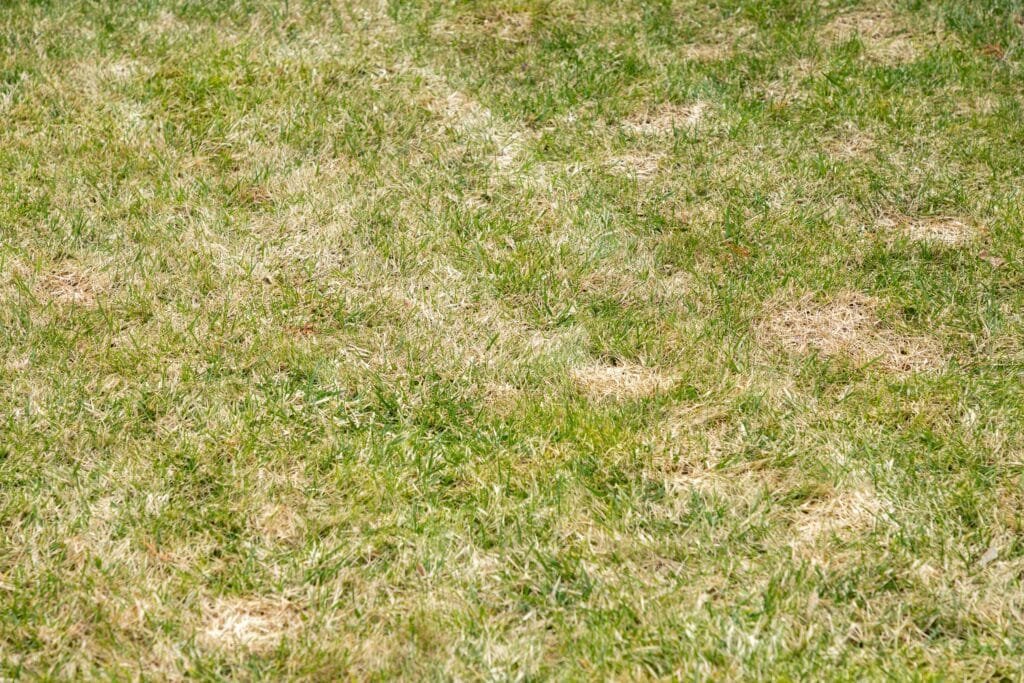
Perhaps the most overlooked cause is simply never aerating the lawn.
Without occasional relief, soil naturally becomes denser over time. This is especially true in high-use areas where pressure is constantly being applied.
Understanding these causes is an important part of long-term Cape Coral lawn maintenance.
Why Compacted Soil Limits Healthy Grass Growth
Healthy grass starts with healthy soil beneath the surface.
When the soil becomes dense, roots struggle to move deeper into the ground. Instead of developing strong root systems, they remain shallow and vulnerable.
Compacted soil affects lawns in several ways:
- Reduced oxygen flow to roots
- Poor water infiltration
- Limited nutrient uptake
- Increased runoff
- Weaker turf overall
This is why lawns with compaction issues often look stressed even when homeowners are watering and fertilizing regularly.
Water may sit on top of the lawn rather than soaking into the root zone. This often leads homeowners to water more frequently, which doesn’t solve the underlying issue. Nutrients may remain near the surface instead of reaching the roots where they’re needed.
Over time, this leads to thinner grass, weaker turf, and more visible lawn drainage problems.
If you’re also dealing with slow or uneven grass growth, you may find this guide we created helpful: How Long Does Grass Seed Take To Grow?
The Hidden Effects of Soil Compaction Most Homeowners Don’t Notice
One reason soil compaction is so frustrating is that many of its effects happen below the surface.
For example, compacted soil often reduces beneficial microbial activity. Healthy soil contains microorganisms that help break down organic matter and support nutrient cycling.
When compaction limits oxygen movement, these beneficial organisms become less active.
Compaction can also make lawns more vulnerable to:
- Drought stress
- Heat damage
- Weed invasions
- Disease outbreaks
Research on the biology of soil compaction has shown that compressed soils affect far more than water movement—they impact the entire ecosystem beneath your lawn.
This is why treating compaction often improves multiple lawn issues at once.
Best Ways to Fix Soil Compaction
The right solution depends largely on how severe the problem is.
For mild compaction, adjustments to maintenance practices may be enough.
For moderate to severe compaction, aeration is usually the most effective solution.
Mechanical Aeration
Mechanical aeration (often called core aeration) removes small plugs of soil from the lawn.
This creates openings that allow:
- Water to penetrate deeper
- Oxygen to reach roots
- Nutrients to move through the soil
- Roots to expand more freely
For heavily compacted lawns, mechanical aeration is generally considered the most effective treatment.
Spike Aeration
Spike aeration uses solid tines to poke holes in the soil.
While it may provide temporary relief, it doesn’t remove soil and can sometimes push compaction deeper into the ground.
This is why spike aeration is generally less effective for serious compaction issues.
Liquid Aeration
Liquid aeration products work differently.
They use soil-conditioning ingredients that help improve water movement and reduce minor compaction over time.
Liquid aeration can be useful for maintenance but is typically not a replacement for mechanical aeration when severe compaction exists.
Choosing between mechanical aeration, spike aeration, and liquid aeration depends on your lawn’s specific condition.
Why Aeration Is Especially Important for Florida Lawns
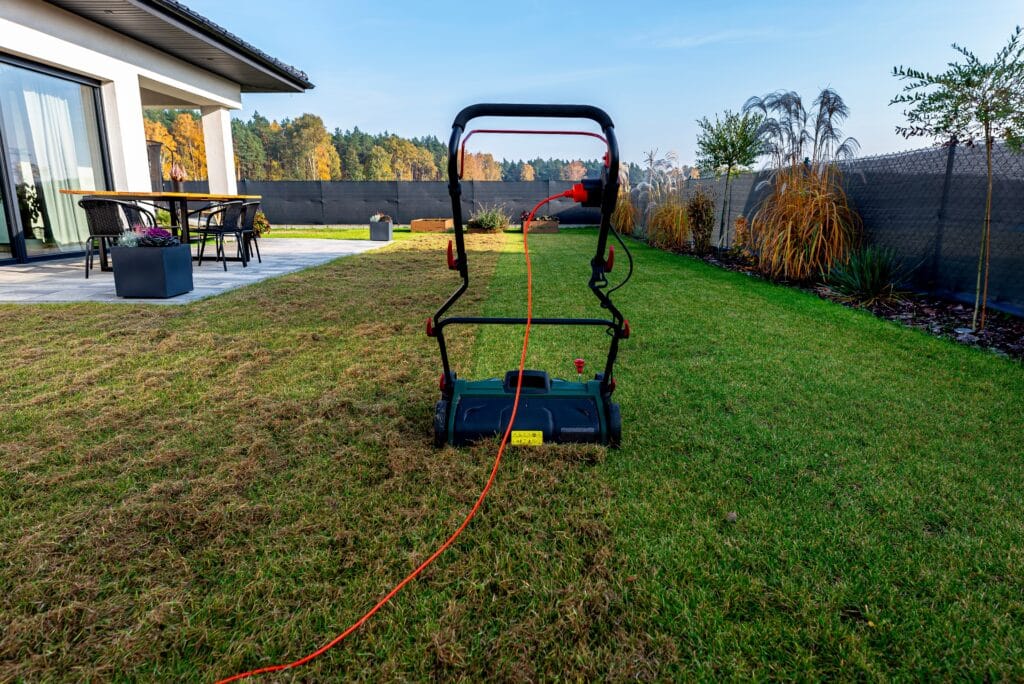
Florida lawns face unique stressors that make aeration particularly beneficial.
Because our lawns experience:
- Long growing seasons
- Frequent rainfall
- Sandy soils
- High temperatures
For those reasons, your Cape Coral lawn will often benefit more from routine aeration than lawns in cooler climates.
Aeration helps maintain soil structure and improves resilience against both drought and excessive moisture.
It also helps maximize the effectiveness of watering and fertilization programs.
Healthy roots begin with healthy soil.
When Professional Lawn Aeration Works Best
There are times when DIY solutions simply aren’t enough.
Professional aeration is often worth considering when:
- Water pools consistently after rain
- Large sections of lawn are thinning
- Soil feels extremely hard
- Compaction has existed for years
- Drainage issues continue despite maintenance
Professional equipment penetrates deeper and removes soil plugs more effectively than most homeowner tools.
Professional evaluations often uncover additional issues such as irrigation inefficiencies, nutrient deficiencies, or drainage problems that mimic compaction symptoms.
Combining aeration with consistent lawn maintenance typically produces the strongest long-term results.
Long-Term Strategies to Prevent Soil Compaction
Fixing compaction is important, but preventing it from returning is just as valuable.
A few simple habits can help:
- Rotate mowing patterns regularly
- Avoid mowing when soil is saturated
- Reduce unnecessary traffic in vulnerable areas
- Maintain healthy organic matter levels
- Schedule periodic aeration
Preventative care is almost always easier and less expensive than correcting severe compaction later.
Ready to Improve Your Soil and Strengthen Your Lawn?
Soil compaction is one of the most common hidden lawn issues in Florida. It affects drainage, root growth, nutrient absorption, and overall turf health– even when everything above ground appears normal.
The good news is that with the right combination of aeration, watering, and ongoing maintenance, compacted soil can be improved significantly.
Healthier soil leads to healthier roots. Healthier roots lead to stronger grass.
If your lawn feels hard, drains poorly, or isn’t growing like it should, contact Cape Coral Lawn Care today to schedule a professional assessment and start improving your soil health.
FAQs
Q: What is soil compaction?
A: Soil compaction occurs when soil becomes too dense, limiting airflow, water movement, and root growth.
Q: What causes compacted soil in Florida lawns?
A: Foot traffic, lawn equipment, heavy rain, and a lack of regular aeration are the most common causes.
Q: How do I fix soil compaction?
A: Mechanical aeration is generally the most effective solution, especially for moderate to severe compaction.
Q: How often should lawns be aerated?
A: Most Florida lawns benefit from aeration at least once per year, though heavily used lawns may benefit from more frequent treatment.