
A healthy Cape Coral lawn starts below the surface, and proper fertilization plays a bigger role in that than many homeowners realize.
Many people assume watering and mowing are the most important parts of lawn care. While those tasks certainly matter, fertilizer provides the nutrients your grass needs to develop strong roots, maintain healthy color, and recover from the stresses of Florida’s climate.
The challenge is that lawn care in Florida isn’t always straightforward. Heat, humidity, heavy rainfall, sandy soil, and even coastal conditions can all affect how your lawn absorbs and uses nutrients. That’s why a fertilizer routine that works in another state may not work well here.
In this guide, we’ll cover what homeowners need to know about fertilizing their lawn, following a proper schedule, and supporting healthy growth year-round.
Understanding What Makes Florida Lawn Care Different
Florida lawns face conditions that homeowners in many other parts of the country never have to think about.
Cape Coral lawns deal with:
- Intense summer heat
- High humidity levels
- Frequent rainfall
- Sandy soils that drain quickly
- Coastal influences like salt exposure and strong winds
Together, these factors create unique challenges for maintaining healthy grass. Understanding these challenges can help you make smarter fertilization decisions throughout the year.
Sandy soil, for example, doesn’t hold nutrients very well. Even when fertilizer is applied correctly, nutrients can move through the soil more quickly than they would in heavier soils. Frequent rainfall can wash nutrients away before grass has a chance to absorb them.
This is why successful Florida lawn care requires a more thoughtful approach to fertilization, watering, and general grass maintenance.
Coastal homeowners face additional challenges as well. Salt spray and strong winds can stress grass and impact nutrient availability. If you live near the coast, you may also find this guide we made helpful: How Coastal Conditions Affect Lawn Care: Protecting Your Grass from Salt and Wind
Remember: A healthy lawn starts by understanding the environment it’s growing in.
Without adjusting for these local conditions, even well-intentioned lawn care efforts can fall short.
Common Mistakes Florida Homeowners Make
Many lawn problems result from poor timing rather than a lack of effort..
One common mistake is overwatering during Florida’s rainy season. Excess moisture can weaken root systems, encourage fungal diseases, and waste water.
Another issue is fertilizing at the wrong time of year. Grass absorbs nutrients most effectively when it’s actively growing. Applying fertilizer outside those periods often leads to wasted product and weaker results.
Over-fertilizing is another frequent problem. More fertilizer does not necessarily mean a healthier lawn. Excess nutrients can damage grass, create uneven growth, and increase nutrient runoff into local waterways.
Florida lawns benefit from a balanced, seasonal approach rather than a “more is better” mentality. That’s where a proper fertilization schedule becomes important.
Why a Fertilization Schedule Matters
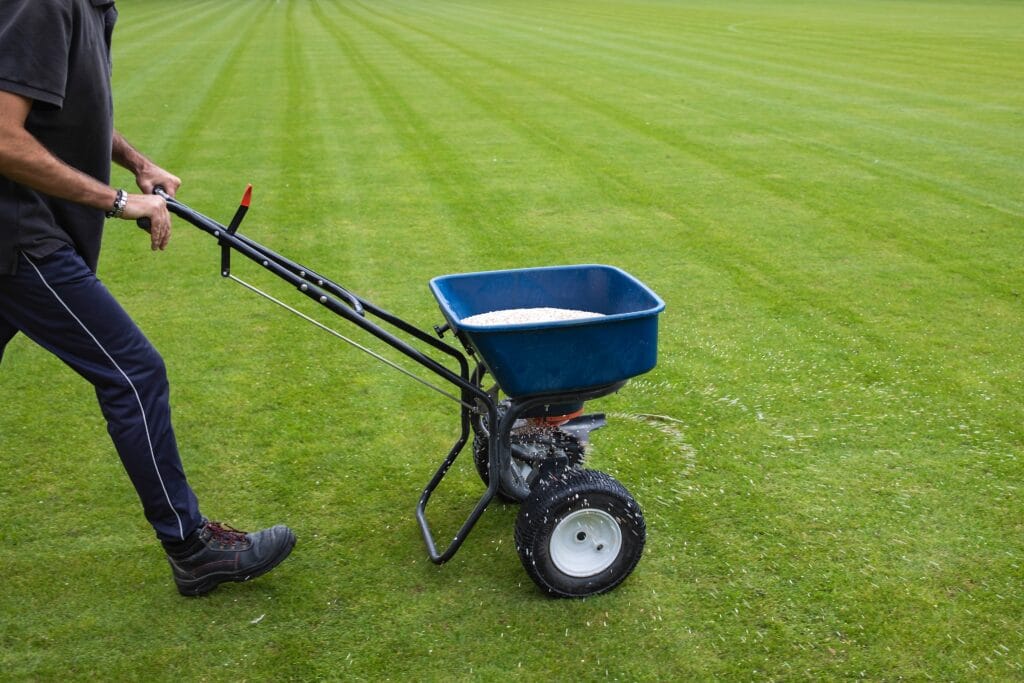
One of the most important aspects of fertilization is timing.
A proper Florida lawn fertilizer schedule helps ensure your lawn receives nutrients when it can actually use them. Proper timing helps support healthy growth, stronger roots, and faster recovery from stress.
Timing matters because grass growth changes throughout the year. During active growth periods, your lawn can absorb nutrients efficiently and put them to work immediately.
Benefits of following a fertilization schedule include:
- Better nutrient absorption
- Improved root development
- More consistent color and density
- Reduced fertilizer waste
- Stronger recovery after stress
UF/IFAS provides detailed information about proper lawn fertilization and management practices in its guide to Homeowner Best Management Practices for the Home Lawn.
Following a schedule also helps homeowners stay compliant with local fertilizer regulations.
When Should You Fertilize Your Florida Lawn?
The ideal fertilization schedule depends on several factors, including grass type, weather conditions, and local regulations.
In general, Florida lawns are fertilized during active growth periods rather than during times of slow growth or dormancy.
Factors to consider before applying fertilizer include:
- Current weather patterns
- Recent rainfall
- Grass growth activity
- Soil condition
- Local fertilizer restrictions
Cape Coral homeowners should also be aware of city regulations regarding fertilizer application. These rules are designed to reduce nutrient runoff and protect local waterways.
You can learn more about local requirements here:
Fertilizer Ordinance | Cape Coral, FL
If you’d like additional guidance on maintaining a healthy lawn throughout the year, check out our guide on Florida Lawn Care Tips: Debunking the Myths Every Homeowner Believes.
Building a successful fertilization routine is much easier when it’s paired with strong overall lawn care habits.
Choosing the Best Fertilizer for Your Florida Lawn
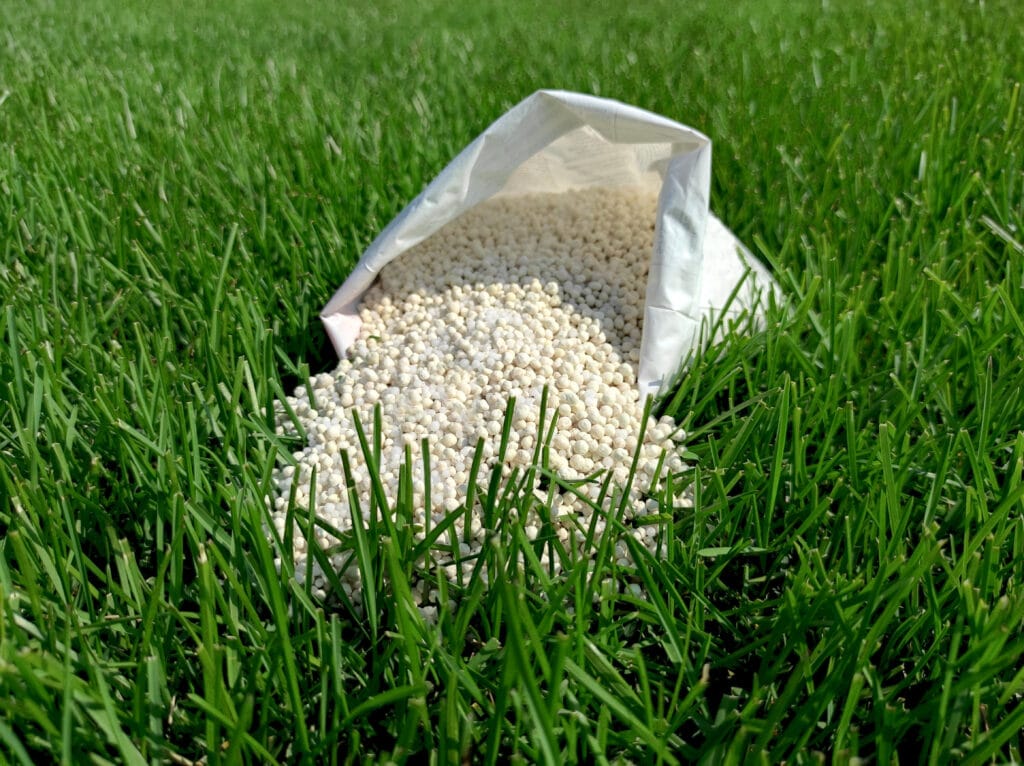
Not all fertilizers are created equal.
The best fertilizer for Florida lawns depends on your grass type, soil conditions, and lawn goals.
One of the first choices homeowners encounter is whether to use a slow-release or quick-release fertilizer.
Slow-Release Fertilizers
Slow-release products gradually provide nutrients over time.
Advantages include:
- Longer-lasting feeding
- Reduced nutrient loss
- Lower risk of fertilizer burn
- More consistent growth
Quick-Release Fertilizers
Quick-release products provide nutrients rapidly.
Advantages include:
- Faster visible results
- Useful for correcting deficiencies quickly
However, they can also increase the risk of nutrient runoff if not applied carefully.
Because Florida experiences frequent rainfall and sandy soils drain quickly, many professionals prefer slow-release fertilizers for routine maintenance.
UF/IFAS also provides guidance on fertilizer selection and application through its publication on Fertilizing Your Florida Lawn.
Matching Fertilizer to Your Grass Type
Different grasses have slightly different nutrient requirements.
Common Florida grasses include:
- St. Augustine grass
- Bahia grass
- Zoysia grass
- Bermudagrass
For example, St. Augustine often requires more consistent nutrient support to maintain its thick, green appearance, while Bahia grass is generally more drought tolerant and lower maintenance.
Choosing fertilizer based on your specific grass type helps avoid nutrient imbalances and supports healthier long-term growth.
Why Fertilizer Works Best with Good Lawn Care Habits
Even the best fertilizer won’t perform well if the rest of your lawn care routine isn’t supporting it.
Fertilizer works best when paired with:
- Proper mowing practices
- Consistent watering
- Healthy soil conditions
- Good drainage
Mowing height is especially important. Cutting grass too short can stress the lawn and weaken its overall health. Watering also plays a critical role. Fertilizer needs moisture to break down and move into the root zone where it can be used by the grass.
This is one reason lawn irrigation schedules are so important in Florida.
UF/IFAS emphasizes the relationship between irrigation and fertilizer performance in its publication on Watering Your Florida Lawn.
A successful fertilization program depends on more than nutrients alone. Proper watering, mowing, and routine monitoring helps maximize results.
Creating a Well-Rounded Lawn Care Routine
One of the easiest ways to improve lawn health is to think of fertilization as part of a larger routine instead of a stand-alone task.
A strong routine might include:
Weekly:
- Mowing at the proper height
- Monitoring lawn health
- Checking irrigation performance
Monthly:
- Inspecting for pests or disease
- Evaluating growth and color
- Adjusting watering as needed
Seasonally:
- Applying fertilizer when appropriate
- Aerating compacted soil
- Addressing weak or thin areas
When all of these practices work together, your lawn becomes healthier, stronger, and more resilient throughout the year.
Why Healthy Roots Matter More Than Green Grass
Many homeowners focus primarily on appearance. While a green lawn looks great, surface color doesn’t always tell the whole story.
A healthy lawn depends on:
- Deep roots
- Strong soil structure
- Consistent nutrient availability
When roots are healthy, grass is better able to withstand:
- Drought
- Heat stress
- Disease
- Heavy rainfall
- Foot traffic
Fertilization is one of the tools that supports this deeper level of lawn health.
The goal isn’t just greener grass– it’s stronger grass.
Ready to Build a Stronger Florida Lawn?
Successful lawn care in Florida starts with understanding your environment and creating a fertilization strategy that works with your lawn– not against it.
By choosing the right fertilizer, following a seasonal schedule, and maintaining consistent lawn care habits, you can create a stronger, healthier lawn that stands up to Florida’s challenging conditions.
Remember– healthy lawns don’t happen by accident. They’re built through smart decisions, proper timing, and consistent care.
Want expert help with your lawn care? We’re here to help. Contact our team here at Cape Coral Lawn Care today to learn how our professional fertilization and lawn maintenance services can help keep your lawn strong year-round.
FAQs
Q: How often should I fertilize my lawn in Florida?
A: Most Florida lawns benefit from multiple fertilizer applications during the growing season, depending on grass type and local regulations.
Q: What is the best fertilizer for Florida lawns?
A: The best fertilizer depends on your grass type and soil conditions, but slow-release products are commonly recommended.
Q: When should I fertilize my Florida lawn?
A: Fertilizer is generally most effective during active growth periods when grass can absorb nutrients efficiently.
Q: Are there fertilizer restrictions in Florida?
A: Yes. Many Florida communities, including Cape Coral, have seasonal fertilizer regulations designed to reduce nutrient runoff and protect waterways.